
ZBiotics Sugar-to-Fiber Review (2026): A Unique Fiber Supplement Explained
ZBiotics · Sugar-to-Fiber
ZBiotics Sugar-to-Fiber Review: A Unique Fiber Supplement Explained
I've tried a variety of fiber supplements over the years, but many felt difficult to maintain as part of my routine. Sugar-to-Fiber caught my attention because it takes a completely different approach.
- Sugar-to-Fiber uses an engineered strain, Bacillus subtilis ZB423, designed to convert a portion of dietary sucrose into levan, a prebiotic fiber, inside the gut.
- Rather than adding bulk fiber powder, it works with the sugar you already eat, producing fiber gradually instead of all at once.
- The strain may convert up to approximately 10 grams of sucrose per day under typical dietary conditions.
- Mild digestive adjustments in the first few days tapered off quickly, effects felt steadier by week two.
I've tried a variety of fiber supplements over the years, but many felt difficult to maintain as part of my routine. ZBiotics Sugar-to-Fiber caught my attention because it takes a different approach. It uses an engineered strain, Bacillus subtilis ZB423, designed to convert a portion of dietary sucrose into levan, a type of prebiotic fiber that supports beneficial gut bacteria.
If you're new to ZBiotics and want a deeper look at their genetically engineered probiotic platform, see How ZBiotics Works: Exploring the Science Behind Pre-Alcohol Probiotics.
The mechanism
What Sugar-to-Fiber Is and How It Works
Rather than adding fiber directly, it uses an engineered strain designed to convert a portion of dietary sucrose into levan, a type of prebiotic fiber produced inside the gut.
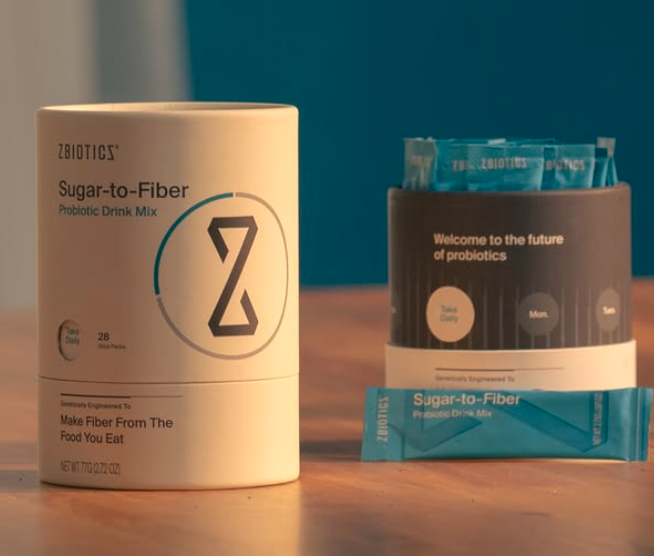
Levansucrase Converts Sucrose Into Levan
The process
- Comes as a single serve stick mixed with water or blended into a smoothie
- The engineered strain is designed to remain stable through digestion and reach the intestines
- There, it expresses an enzyme called levansucrase, which converts a portion of dietary sucrose into levan
- May convert up to approximately 10 grams of sucrose per day under typical dietary conditions
Levan produced by Bacillus subtilis has been documented as a non digestible prebiotic fiber that supports beneficial gut bacteria: NCBI, PMC8039079
Worth noting: the goal is gradual in-gut fiber production rather than adding traditional bulk fiber powders all at once.
Why This Approach Appeals to Me
Produced in-gut
Fiber is generated inside the gut rather than added directly as bulk.
Gradual
The gradual production felt more manageable as part of a daily routine.
Different fiber type
A different type of prebiotic fiber rather than just more total grams.
Low prep
Fits into everyday life without complicated preparation or timing.
Curious about a different approach to fiber?
Save 10% on Sugar-to-Fiber
Use ZBiotics discount code REFRESHED at checkout.
Real world use
My Experience After Several Weeks
During the first few days, I noticed some mild digestive adjustments, including occasional gas and stomach rumbling, which tapered off fairly quickly.
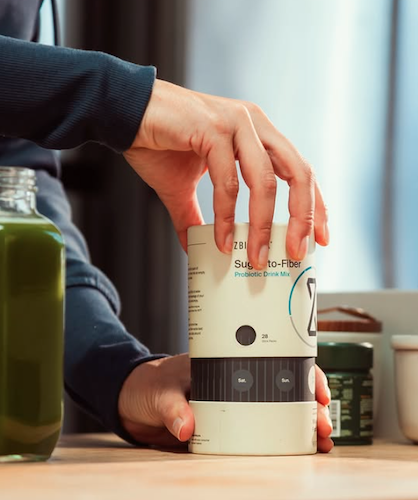
Subtle Changes That Grew More Noticeable by Week Two
What stood out
- Subtle changes in how my routine felt, particularly after meals with more sugar
- Around week two, effects felt more noticeable, though still gradual
- On low sucrose days, differences were less apparent, consistent with how the mechanism works
Worth noting: the changes felt steady rather than dramatic, and incorporating it into my routine became relatively seamless over time.
Getting the timing right
When Should You Drink Sugar-to-Fiber?
A few simple guidelines make it easier to build into a daily habit.
No wrong time
Morning, afternoon, or evening, choose what works for you.
Make it a daily habit
Consistency is key. Drink Sugar-to-Fiber every day for the best support.
Pair it with your existing routine
Habit stacking makes it easy, add it to your coffee, smoothie, or water alongside your vitamins.
Wait for your coffee to cool
Super hot coffee? Let it reach drinking temp before adding it, to protect the probiotics.
Drink within 30 minutes
Once mixed, don't let it sit, waiting too long can make the probiotic wake up early and lose its benefits.
Building the habit
How I Use Sugar-to-Fiber in My Routine
For me, consistency has been more important than precision.
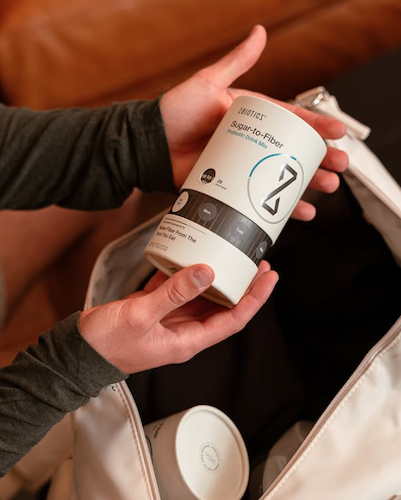
One Stick Daily, Mixed and Portable
How I take it
- One stick daily, mixed with 8 to 12 ounces of water or blended into a smoothie
- Can be added to warm beverages once they're comfortable to drink
- Typically taken in the morning as part of my regular routine
Worth noting: the single serve format made it convenient for travel, I kept a few sticks in my bag and mixed one into a water bottle when needed.
Ready to try a different kind of fiber supplement?
Get 10% Off With Code REFRESHED
Visit the official ZBiotics site to explore Sugar-to-Fiber.
Taste, Mixability, and Safety Notes
Taste and mixability
- Light with a mild sweetness
- Blended easily into water and smoothies, with a slightly cloudy appearance and small flecks
- A quick stir redistributes the mixture if it sits for a while
Safety notes
- Any initial changes were subtle and short lived in my experience
- Stay well hydrated when starting any new fiber related supplement
- Consult a healthcare professional if pregnant, nursing, managing a medical condition, or taking medications
How It Compares to Traditional Fiber Powders
Traditional fiber supplements typically add a set number of grams of fiber from external sources. Sugar-to-Fiber takes a different approach by converting a portion of dietary sucrose into levan, a type of prebiotic fiber produced within the gut. Rather than introducing a concentrated dose at once, its mechanism is tied to dietary intake and gradual production. For me, the distinction felt more aligned with how I prefer to incorporate supplements into my routine, particularly from a consistency standpoint.
Who Might Find This Approach Useful
Because its mechanism depends on sucrose, those who consume very little dietary sugar may notice subtler changes. If you require fiber supplementation for a specific medical condition, consult a healthcare professional to determine the most appropriate option.
Final Verdict
ZBiotics Sugar-to-Fiber offers a different approach to fiber by focusing on in-gut production tied to dietary sucrose intake. For me, it felt easy to incorporate into my daily routine and aligned well with how I prefer to approach supplementation. The experience was gradual rather than dramatic, and consistency was key. If you're specifically looking for support around alcohol metabolism, see my ZBiotics Pre-Alcohol Supplement Review.
Quick answers
Frequently Asked Questions About ZBiotics Sugar-to-Fiber
What is ZBiotics Sugar-to-Fiber?
How does Sugar-to-Fiber work?
Does Sugar-to-Fiber reduce sugar absorption?
How is it different from traditional fiber powders?
Are there side effects?
Who might consider using Sugar-to-Fiber?
Is Sugar-to-Fiber safe?
Go deeper
Explore ZBiotics
ZBiotics Pre-Alcohol Supplement Review
Read the review →How ZBiotics Works: The Science Behind Pre-Alcohol Probiotics
Read the breakdown →Every ZBiotics Review on samā·says
See all reviews →Keep reading
You May Also Like
For educational purposes only. Nothing here is medical advice, consult a qualified professional before making changes to your diet or supplement routine. As an affiliate, samā·says may earn a commission on qualifying purchases made through links in this post.