

Kanna vs Synthetic Mood Modulators: A Research-Based Comparison
Kanna · Sceletium tortuosum
Kanna vs Synthetic Mood Modulators: A Research-Based Comparison
Kanna is often discussed alongside synthetic compounds that influence serotonin and emotional processing. Their mechanisms, intensity, and risk profiles differ substantially.
- Kanna acts as a mild serotonin reuptake inhibitor with PDE4 activity, while synthetic compounds often engage broader, more intense pathways.
- Kanna is a legal botanical in many regions with historical use, while synthetic compounds are often regulated.
- Comparisons based on surface-level similarities oversimplify the actual pharmacology.
- Understanding these differences allows for decisions grounded in mechanism, not marketing.
As interest in plant-based mood support grows, kanna (Sceletium tortuosum) is often discussed alongside synthetic compounds that influence serotonin and emotional processing. However, while there may be superficial similarities in how these substances are described conversationally, their mechanisms, intensity, and risk profiles differ substantially. This article explores those differences through a research-informed lens. If you'd like a deeper look at the underlying pathways, read our guide on How Kanna Works: The Science Behind Sceletium tortuosum. This article is part of our Complete Kanna Guide.
Two Different Starting Points
What Is Kanna?
A South African botanical traditionally used for stress reduction and social grounding. Modern research suggests its primary mechanisms include serotonin reuptake inhibition, PDE4 inhibition, and possible amygdala modulation.
What Are Synthetic Mood Modulators?
Laboratory-created compounds designed to influence neurotransmitter systems such as serotonin, dopamine, and norepinephrine. Some are prescription medications, others are research compounds, each with different safety and legal considerations.
Mechanism Differences
Four dimensions where kanna and synthetic mood modulators diverge.
This distinction is critical. Releasing large amounts of serotonin differs biologically from inhibiting reuptake, and broader neurochemical activity typically increases complexity and potential risk.
Exploring a Botanical Option?
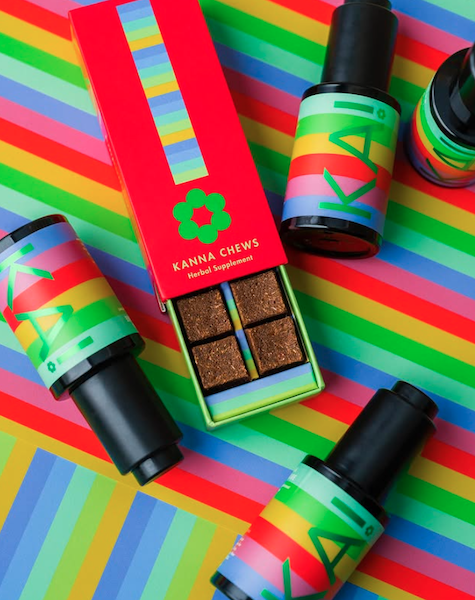
If you're interested in trying a standardized kanna extract designed for consistent dosing, KA! Empathogenics offers lab-tested tinctures and chews.

Why Comparisons Can Be Misleading
Kanna
- Does not produce hallucinations
- Does not create forced emotional intensity
- Does not significantly increase sympathetic activation
Research on Sceletium tortuosum's serotonergic activity: NCBI, PMC8762184 and mechanism of serotonin reuptake inhibition: NCBI, PMC8124331
While kanna is sometimes described informally in comparison to synthetic mood-altering substances, these comparisons oversimplify pharmacology. It is more accurately understood as a mild botanical serotonin modulator.
Interested in a standardized botanical extract?
Save 10% on KA! Empathogenics
KA! Empathogenics offers lab-tested tinctures and chews designed for consistent dosing. Discount automatically applied at checkout.
When Someone Might Choose a Botanical Approach
Some individuals prefer botanical options because they want milder modulation, prefer shorter duration, seek plant-based products, or avoid highly stimulating substances. That does not imply equivalence, only difference in intensity and mechanism.
Delivery Format Matters
The way kanna is consumed, tincture vs chew vs capsule, also influences onset and experience. See our full breakdown in Best Kanna Products: Tinctures vs Chews vs Capsules.
Where KA! Empathogenics Fits In
For those interested in a standardized botanical extract, we've reviewed the product in full.
KA! Empathogenics: Kanna, Mood Support & What to Expect
What we cover in the full review
- Chew and tincture format details
- Serving guidance and onset expectations
- What to realistically expect
For those interested in a standardized botanical extract, read our full product breakdown: KA! Empathogenics Review: Kanna, Mood Support & What to Expect
Ready to learn more about kanna?
10% Off, Auto-Applied
Explore our full review of KA! Empathogenics and see how different formats may fit your lifestyle.
Quick answers
Frequently Asked Questions
Is kanna similar to synthetic empathogens?
Does kanna release serotonin?
Is kanna stronger than prescription antidepressants?
Why is kanna legal in many regions?
Is comparing kanna to synthetic compounds accurate?
Understanding Mechanism Over Marketing
Comparisons between kanna and synthetic mood modulators often emerge from surface-level similarities in reported effects. However, research suggests their pharmacology differs in potency, duration, and systemic activation. Kanna appears to function as a mild botanical serotonin modulator with additional PDE4 activity, while synthetic compounds often engage broader and more intense neurochemical cascades. Understanding these differences allows individuals to make informed decisions grounded in mechanism rather than marketing language.
Go deeper
Explore More Kanna Guides
The Complete Guide to Kanna
Read the guide →How Kanna Works: Sceletium tortuosum Explained
Read the article →Best Kanna Products: Tinctures vs Chews vs Capsules
Read the article →KA! Empathogenics Review: Kanna & Mood Support
Read the article →This article is educational in nature and does not replace medical advice. It reflects publicly available research information about kanna (Sceletium tortuosum) and general neuropharmacology. KA! Empathogenics products are dietary supplements, not pharmaceutical treatments, and individual results can vary. Anyone with a medical condition or taking serotonergic medications should speak with a qualified healthcare professional before use. As an affiliate, samā·says may earn a commission on qualifying purchases made through links in this post.