

Thymogen Alpha-1 by Integrative Peptides: A Research-Informed Look at Immune Support & Healthy Aging
Peptides · Immune Support
Thymogen Alpha-1 by Integrative Peptides: A Research Informed Look at Immune Support & Healthy Aging
A synthetic dipeptide being explored for T-cell development and overall immune system balance.
- Thymogen Alpha-1 is a synthetic dipeptide of Glutamic Acid and Tryptophan, designed to mimic compounds associated with thymic function.
- It is often formulated for oral use, unlike the longer, injectable Thymosin Alpha-1, making it more accessible in wellness contexts.
- Research focuses on immune modulation, supporting appropriate immune responsiveness, not simply boosting immunity.
- It is an area of ongoing research, not an approved pharmaceutical treatment, always consult a healthcare professional first.
Thymogen Alpha-1 is gaining attention in peptide research circles for its potential role in immune modulation and age related immune decline. As interest in targeted immune support continues to grow, this synthetic dipeptide is being explored for its ability to support T-cell development and overall immune system balance. This article is part of our Complete Peptides Guide, where we explore the science behind BPC-157, GHK-CU, Thymogen Alpha-1, and GLP-1 research peptides.
This is an educational overview, not medical advice, designed to help you better understand how this peptide fits into the broader immune support conversation.
In this guide, we'll break down
The basics
What Is Thymogen Alpha-1?
Thymogen Alpha-1 is a synthetic dipeptide composed of Glutamic Acid and Tryptophan (Glu Trp), often studied for its role in immune regulation. It is designed to mimic naturally occurring compounds associated with thymic function. The thymus plays a central role in T-lymphocyte development, a critical component of adaptive immunity. As thymic activity naturally declines with age, researchers have explored peptides that may help support immune signaling pathways linked to this process. Unlike Thymosin Alpha-1, which is a longer peptide administered via injection, Thymogen Alpha-1 is often formulated for oral use, making it more accessible in certain wellness contexts.
The mechanism
How Thymogen Alpha-1 May Support Immune Function
Research on thymic peptides suggests they may interact with immune cell receptors and influence T-cell differentiation and signaling pathways. Rather than boosting immunity, the current scientific discussion focuses on immune modulation, supporting appropriate immune responsiveness without overstimulation.
Adaptive signaling
Support of adaptive immune signaling.
Cytokine modulation
A studied area of interest.
Age related decline
Immune balance research focus.
Recovery support
After immune stress events.
Sourcing matters
Considering Thymogen Alpha-1?
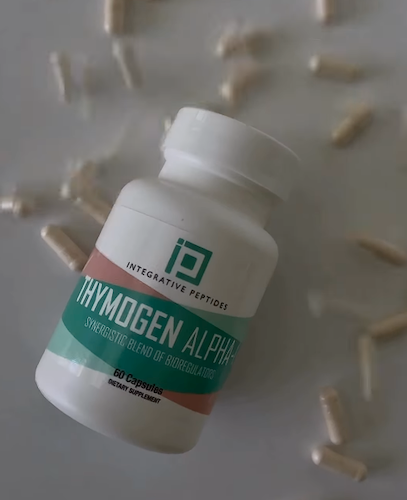
Third Party Tested, Transparent Sourcing
What to look for
- Third party testing and clear labeling
- Transparent sourcing documentation
- Part of a structured wellness plan
Always consult a qualified healthcare provider before beginning any peptide protocol.
Ready to explore thymic peptides?
Explore Integrative Peptides
Third party tested Thymogen Alpha-1 with transparent sourcing. Use code SAMA for 10% off.
Side by side
Thymogen Alpha-1 vs Thymosin Alpha-1
Although often mentioned together, these peptides differ significantly.
Both relate to thymic pathways, but their structure, delivery, and research contexts differ. See the full breakdown in Thymogen Alpha-1 vs Thymosin Alpha-1: Key Differences Explained.
Framed as research, not treatment
Areas of Research Interest
It's important to frame these as areas being studied, not confirmed treatment claims.
1. Immune signaling support
How thymic peptides may influence T-cell maturation and immune communication pathways.
2. Age related immune decline
The thymus naturally involutes with age. Some research suggests thymic peptides may help support immune resilience during this process.
3. Immune recovery contexts
Certain studies have evaluated thymic peptides in situations of immune stress, including chronic viral exposure and immune suppression.
The aging connection
Longevity & Immune Aging
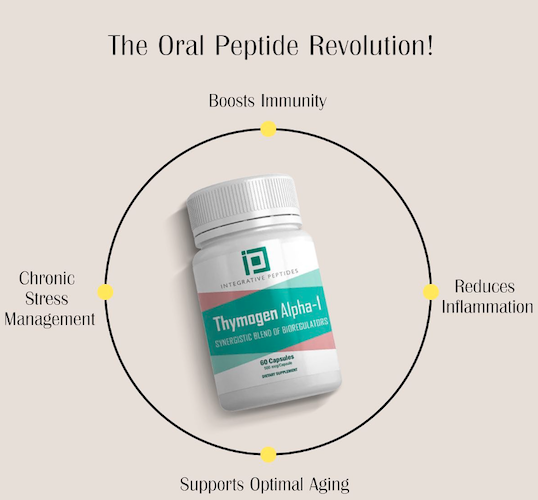
Reduced Thymic Output and Immunosenescence
What changes with age
- Reduced thymic output
- Altered immune signaling
- Increased inflammatory burden
Age related thymic involution is a major contributor to immunosenescence and inflammaging: NCBI, PMC6971920
Worth noting: some longevity focused individuals explore thymic peptides alongside compounds like Epitalon, but more human data is still needed before drawing firm conclusions.
Dosage & Administration (Educational Overview)
Protocols vary widely depending on context. Commonly discussed research dosing frameworks include:
Short term support
Lower daily dosing over 1 to 2 weeks.
Cyclical modulation
Intermittent weekly dosing.
Longevity cycles
Structured periodic use.
Subcutaneous administration may offer more predictable bioavailability for certain peptides, while oral formats prioritize convenience. Storage stability is important, many peptides require refrigeration. Always consult a qualified healthcare professional before using any peptide compound.
What to know before starting
Safety & Considerations
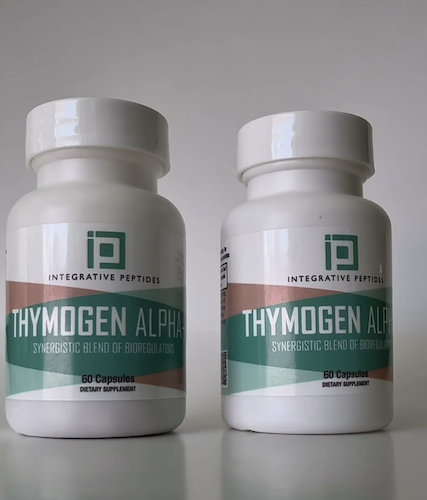
A Favorable Safety Profile in Research Contexts
Reported side effects are typically mild
- Injection site irritation, if injectable
- Temporary fatigue
- Mild gastrointestinal discomfort
Consult a physician first if: pregnant or nursing, managing autoimmune conditions, or on immunosuppressive therapy. Only source from providers offering transparent third party testing and Certificates of Analysis.
Researching immune support peptides?
Use Code SAMA for 10% Off
Integrative Peptides provides lab tested formulations with clear documentation and quality standards.
Why Integrative Peptides?
When evaluating peptide suppliers, key factors include
Quick answers
Frequently Asked Questions About Thymogen Alpha-1
What is Thymogen Alpha-1 used for?
Is Thymogen Alpha-1 the same as Thymosin Alpha-1?
Can Thymogen Alpha-1 boost immunity?
Is Thymogen Alpha-1 safe?
Is Thymogen Alpha-1 taken orally or injected?
How long does it take to notice effects?
Can Thymogen Alpha-1 be used for longevity?
Do I need a prescription for Thymogen Alpha-1?
Key Takeaways: Thymogen Alpha-1 and Immune Support
- Thymogen Alpha-1 is a synthetic peptide related to thymic peptides studied for their role in immune system signaling and cellular defense mechanisms.
- Researchers have explored thymic peptides like thymogen and thymosin alpha 1 for their potential ability to influence T-cell activity and immune response regulation.
- Because the thymus plays a critical role in immune development, peptides associated with thymic signaling have gained interest in healthy aging and immune resilience research.
- Peptides such as thymogen alpha 1 are part of a growing field of research investigating immune modulation and longevity science.
The information presented in this article is intended for educational and research discussion purposes only. Thymogen Alpha-1 and related thymic peptides are subjects of ongoing scientific research. Readers should consult qualified healthcare professionals before making decisions related to immune health, supplementation, or peptide research.
Go deeper
Learn More About Integrative Peptides
The Complete Guide to Healing Peptides
Read the guide →Integrative Peptides Review: Quality, Testing & Best Products
Read the review →Thymogen Alpha-1 vs Thymosin Alpha-1
Read the comparison →BPC-157 Oral Review: Delayed Release Capsules Explained
Read the review →Final Thoughts
Thymogen Alpha-1 represents an interesting area of immune peptide research, particularly in discussions around immune signaling, recovery, and age related immune decline. While more large scale human studies are needed, its growing popularity reflects increased interest in precision immune support strategies. As with any peptide compound, informed decision making, professional guidance, and responsible sourcing are essential.
Keep reading
You May Also Like
For educational purposes only. Nothing here is medical advice, consult a qualified professional before making decisions related to immune health, supplementation, or peptide research. As an affiliate, samā·says may earn a commission on qualifying purchases made through links in this post.