
Best Sleep Supplements Without Melatonin
The night lab · Buyer's dossier
Best Sleep Supplements
Without Melatonin9I tested
Five earned a category. Four did not. Every ingredient graded against the human research behind it, including where the dose in the bottle does not match the dose in the study.
The short answer
If you want one pick
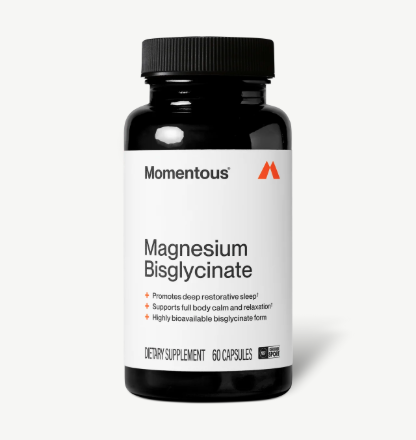
Momentous Magnesium Bisglycinate
Best overall
Strongest balance of relevant evidence, third party testing, transparency and cost per night.
Or choose by your problem
The three I reach for most
The verdict
The Five That Earned A Category
Each one wins a different job. The other four I tested are covered further down, along with why they did not place.
Momentous Magnesium Bisglycinate
Best all round nightly support, with the strongest mix of relevant evidence, testing and value.
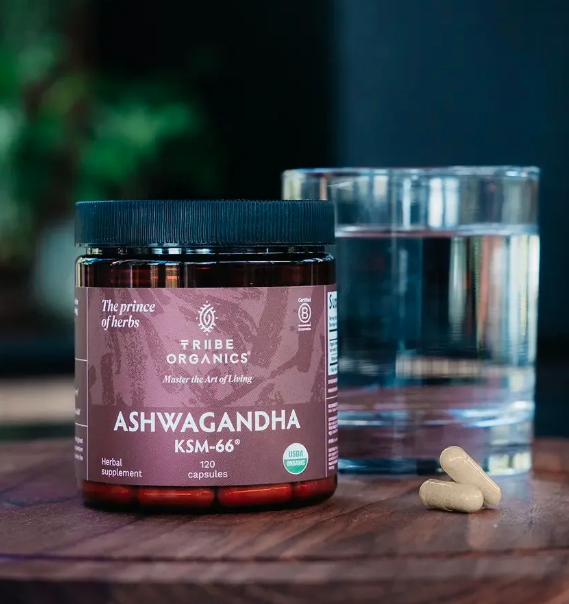
Tribe Organics Ashwagandha KSM-66
Best when stress drives the problem, at the 600mg KSM-66 dose the research points to.
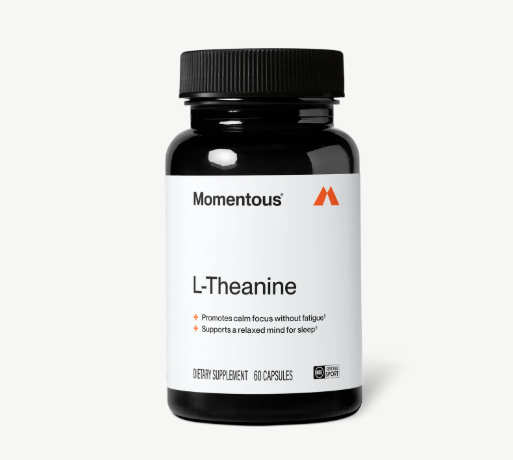
Momentous L-Theanine
Best for a racing mind, at the 200mg dose the trial actually used.
Pure Encapsulations Glycine
Best single ingredient route, though the studied dose needs about six capsules.
Sports Research Tart Cherry
Best food derived option, with promising data and a natural melatonin caveat.
Context first
What Melatonin Is Actually For
This is not an anti melatonin article. Melatonin has more human research behind it than anything else on this page. It is simply used for the wrong problem most of the time.
Two different problems, one of which melatonin solves
The clock problem
Melatonin is a timing signal
This is the mechanism melatonin actually has, and the evidence for it is good.
The arousal problem
A timing signal does not address this
Your clock is fine here, so a timing signal has little to act on.
The evening, in sequence
Conceptual sequence, not measured dataThe curve shape is illustrative of the sequence only. It carries no measured hormone values and no scale, and it is drawn to show order rather than magnitude.
Matching the tool to the problem
✓Good fit for melatonin
- Jet lag across several time zones
- A shifted or drifting sleep schedule
- Adjusting after a time zone change
- Short term help realigning a body clock
Retail doses are often 5mg or 10mg. Much of the research uses considerably less, closer to what the body makes itself.
×May need another mechanism
- Racing thoughts at a normal bedtime
- Stress driven arousal in the evening
- Nervous system still active at the right hour
- Waking in the night alongside stress
This does not mean a supplement will solve these. It means a timing signal is unlikely to be the thing that does.
The quality question
In a 2017 analysis of 31 products, most missed their own label
A Canadian research group at the University of Guelph measured what was actually inside 31 melatonin products. This is a snapshot of one sample, not a current market wide prevalence estimate, and I am not presenting it as one.3
The layer that decides everything
Melatonin Free Ingredients, Graded
Products change. Ingredients and their evidence move much more slowly. This framework is applied identically to every ingredient below, whether or not I stock the product it comes in.
Tier 1 · strongest human evidence
Magnesium bisglycinate
A nightly foundation, particularly if your diet runs low
A 2025 randomized placebo controlled trial in 155 adults with poor sleep tested 250mg elemental magnesium as bisglycinate over four weeks. Insomnia scores improved more than placebo, and the authors called the effect modest. A 2021 systematic review in older adults and an earlier eight week trial point the same way.1210
Dose gap
20% below the trial dose
Ashwagandha
Sleep that is being wrecked by stress rather than by routine
A 2021 meta-analysis pooled five randomized trials covering 400 people. The effect on overall sleep was small but significant, and the subgroup detail is unusually actionable: effects were most prominent in adults diagnosed with insomnia, at 600mg or more per day, sustained for eight weeks or longer.1516
What the meta-analysis found
Effects strongest at this threshold, per the meta-analysis
L-theanine
A mind that will not stop replaying the day
A 2019 randomized placebo controlled trial gave healthy adults 200mg daily for four weeks and found improvements in sleep related and stress related measures. It is the compound in green tea associated with calm alertness rather than sedation, and it does not produce next day fog.5
Dose match
Studied dose and product dose are identical
Chamomile and apigenin
Gentle wind down, and the traditional option with real trial support
A 2019 systematic review and meta-analysis of randomized and quasi randomized trials examined chamomile across anxiety, insomnia and sleep quality. Its most studied constituent, apigenin, acts at the same receptor family benzodiazepines target, which supplies a plausible mechanism rather than only a folk history.6712
Mechanism
Tier 2 · real human data, with real caveats
Glycine
Falling asleep faster, through temperature rather than sedation
Small trials found 3g before bed improved subjective sleep quality in people with insomniac tendencies and reduced next day fatigue after restricted sleep. The proposed mechanism is a drop in core body temperature. The trials are small and largely from one research group.411
Tart cherry
A food first option, with an important caveat
The best known trial used juice concentrate and measured raised melatonin alongside better sleep. That is the nuance: tart cherry is not a melatonin free mechanism, it appears to work partly through melatonin. A softgel is also a much smaller dose than the juice protocols.17
Valerian
The traditional botanical, on genuinely mixed evidence
Two meta-analyses reached cautious conclusions. Valerian may improve subjective sleep quality, but the trials are methodologically weak and objective measures often failed to confirm what people reported. This is mixed evidence, not a clear positive.1819
Tier 3 · no human sleep trial found
Reishi
Traditional use for calm, without human sleep trials behind it
Ganoderma lucidum extract prolonged sleep time in rats, and a later study found spore extract improved sleep disturbance in a rodent disease model. I could not find an equivalent randomized human sleep trial. Traditional use is not evidence of a sleep effect, and brand claims about regulating cortisol or promoting melatonin production go well beyond what has been shown in people.813
Graded the same way as everything else on this page, and it lands here.
How this guide was built
How I Evaluate A Sleep Supplement
Personal use
Every product ranked here is one I bought and took. Nothing was added to round the list out.
Ingredient evidence
The research is graded on the ingredient, separately from my experience with any particular bottle.
Form and dose
The chemical form and the amount in the product are compared with what was actually studied.
Quality and transparency
Formula disclosure, certification, label clarity and real cost per night decide the final order.
Considered and left out
5-HTP. Interacts with SSRIs and several other medications, which makes it a poor blanket recommendation on a public page. Passionflower and lemon balm. Real traditional use, thinner trial evidence than the eight above, and no product I have tested well enough to stand behind. GABA. Whether oral GABA crosses the blood brain barrier in meaningful amounts is still contested. Any proprietary blend that hides amounts. If a label will not state the dose, it cannot be compared to a study.
Side by side
The Five Finalists, Compared
Every figure checked against the brand's own current listing. On phones this becomes a set of stacked cards.
| Criteria |
01MomentousMagnesium Bisglycinate
Best overall |
02Tribe OrganicsAshwagandha KSM-66
Best for stress driven sleep |
03MomentousL-Theanine
Best for racing thoughts |
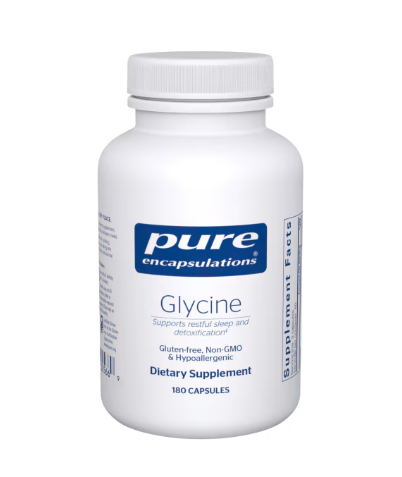 04Pure EncapsulationsGlycine
Best simple amino acid
04Pure EncapsulationsGlycine
Best simple amino acid |
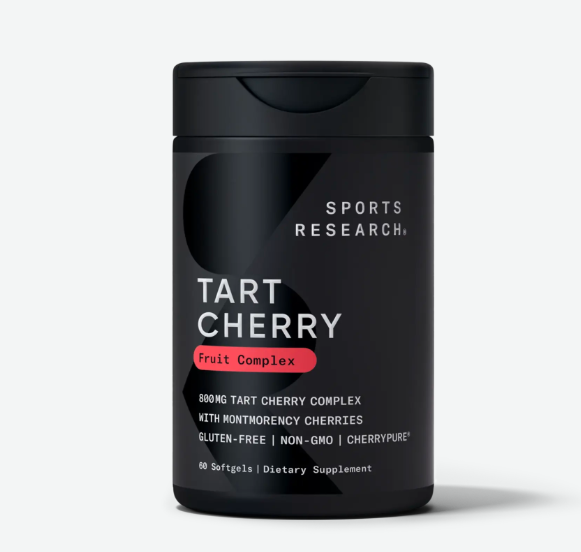 05Sports ResearchTart Cherry Fruit Complex
Best food derived option
05Sports ResearchTart Cherry Fruit Complex
Best food derived option |
|---|---|---|---|---|---|
| Product basics | |||||
| Best use case | The foundational mineral | When stress is the cause | When your mind will not switch off | A single ingredient, no blend | Whole food rather than isolate |
| Format | Capsules, 2 per serving | Capsules, 2 per serving | Capsules, 1 per serving | Capsules, 500mg each | Softgels, 1 per serving |
| Active compounds | Magnesium bisglycinate, delivering 200mg elemental magnesium plus glycine | KSM-66 ashwagandha root extract, standardized to 5% withanolides | L-theanine, 200mg | Glycine, 500mg per capsule | Montmorency tart cherry concentrate, 800mg |
| Melatonin | None | None | None | None | No added melatonin. Tart cherry naturally contains small amounts |
| Evidence | |||||
| Evidence quality | Tier 1Leads | Tier 1Leads | Tier 1Leads | Tier 2 | Tier 2 |
| Dose transparency | Full. Elemental magnesium stated on the panelLeads | Full. Extract, dose and withanolide percentage all statedLeads | Full. 200mg stated per servingLeads | Full, but the label dose is far below the studied dose | Concentrate weight stated, no anthocyanin standardization |
| Third party testing | NSF Certified for SportLeads | Third party tested, per the brand. No sport certification stated | NSF Certified for SportLeads | Hypoallergenic line, brand states third party testing | Non GMO, gluten free. No sport certification stated |
| Buying | |||||
| Cost per night | $0.42Leads | $0.62 | $0.67 at full price | About $1.17 | $0.35 |
| Discount | 15% with SAMA15 | None currently | 15% with SAMA15 | None | None |
| Travel | Bottle of capsules | Bottle of capsules | Bottle of capsules | Bottle of capsules | Bottle of softgels |
| Use | |||||
| Timing | 30 to 60 minutes before bed | Daily, consistency matters more than timing | 30 to 60 minutes before bed | Before bed | Daily, evening |
| GI considerations | Low. Bisglycinate is the gentle form | Generally well tolerated. Some report stomach upset on an empty stomach | Very low | Low | Low |
| Stacking | Pairs with everything here | Layers well with magnesium | Pairs particularly well with magnesium | Redundant if you already take magnesium bisglycinate | Fine alongside anything here |
| Primary limitation | The trial effect was modest, and it used 250mg where this gives 200mg | Works on stress over weeks, not as a same night effect | Expensive for an ingredient sold cheaply in bulk elsewhere | You need roughly six capsules to reach the 3g used in the research | The sleep research used tart cherry juice at far larger volumes than a softgel provides |
Prices were checked against each brand's own listing while writing. Supplement pricing moves, so treat these as close rather than exact.
The deep dives
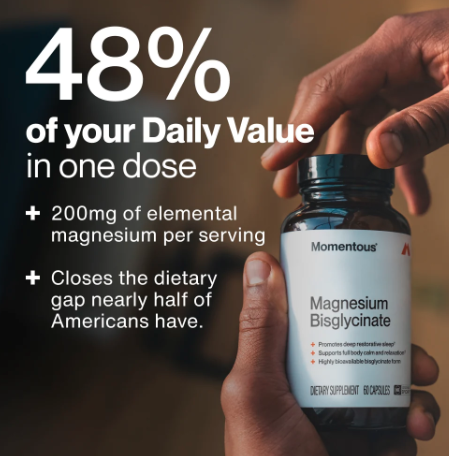
Momentous Magnesium Bisglycinate
This is the one I never skip, and the one I would hand a first time buyer. It is not exciting. It is a mineral most people are mildly short of, bound to an amino acid that does its own quiet work on body temperature, at a price that makes nightly use a non decision.
What separates it from the rest of the magnesium shelf is that the 2025 trial was run on this specific form rather than on magnesium in general, and that Momentous carries NSF Certified for Sport, the strictest testing mark in this category.
Magnesium bisglycinate is magnesium bound to two glycine molecules, and that binding changes two things at once. It is far gentler on the gut than magnesium oxide, which is what fills most bargain bottles and is the form most likely to send you to the bathroom instead of to sleep. And it delivers glycine, which is not just a carrier.
Glycine taken before bed improved subjective sleep quality in people with insomniac tendencies, and the proposed mechanism is elegant: it raises blood flow to the skin, sheds heat, and drops core body temperature.4 Falling core temperature is one of the physical signals that sleep is starting. You are not being sedated, you are being helped into a state your body already knows how to enter.
What I actually noticed
Nothing dramatic, which is the honest answer and the reason I trust it. No heaviness, no grogginess, no sense of having taken something. What changed over a few weeks was that the gap between deciding to sleep and being asleep got shorter. That is the effect size the research describes, and it is worth calibrating your expectations to it before you buy.
Evidence chain, stated precisely
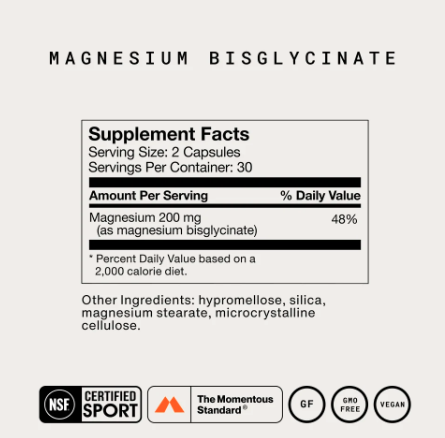
A 2025 randomized placebo controlled trial tested magnesium bisglycinate at 250mg elemental magnesium in 155 adults reporting poor sleep, over four weeks. Insomnia severity fell further than placebo, and the authors described the effect as modest.1 Momentous provides 200mg of the same form, which is 20% below the trial dose. The trial did not test Momentous, and no trial has.
✓Good fit
Your diet is light on magnesium
The trial found the largest improvements in people with the lowest baseline dietary magnesium. If greens, nuts, seeds and legumes are rare in your week, that is you.
You want one thing that works without a routine
Two capsules and water. No preparation, no ritual to maintain, nothing to remember beyond the bottle.
You get drug tested, or you simply care who checks
NSF Certified for Sport is the mark competitive athletes rely on and the strictest standard in this category.
Magnesium has upset your stomach before
That was almost certainly oxide or citrate. Bisglycinate exists specifically to solve that problem.
×Not the best fit
You are expecting to feel sedated
This is a base layer, not a knockout. If you need to feel something happen, you will read the absence of that feeling as failure.
- The only product here with a randomized trial on its exact magnesium form
- NSF Certified for Sport, plus third party testing for heavy metals
- Cheapest per night of anything in this guide at $0.42
- Glycine contributes its own temperature mechanism rather than just carrying the mineral
- Gentle enough for nightly long term use, non laxative at the labelled dose
- Elemental magnesium is stated plainly on the panel, no proprietary blend
- Provides 200mg where the trial used 250mg elemental
- The trial effect size was small, and the authors said so
- Two capsules rather than one
- Least sensory option here, there is no ritual attached
- If your dietary magnesium is already high you may be a low responder
- The best price requires a subscription
It ranks first because it is the only product on this page where the research was run on the precise chemical form in the bottle, it carries the strictest testing mark available, and it costs less per night than almost anything else you could take.
Set expectations correctly and it delivers. You are closing a nutritional gap and giving your body a small physiological nudge toward sleep onset, every night, for about forty cents. It is not a sedative and it was never trying to be.
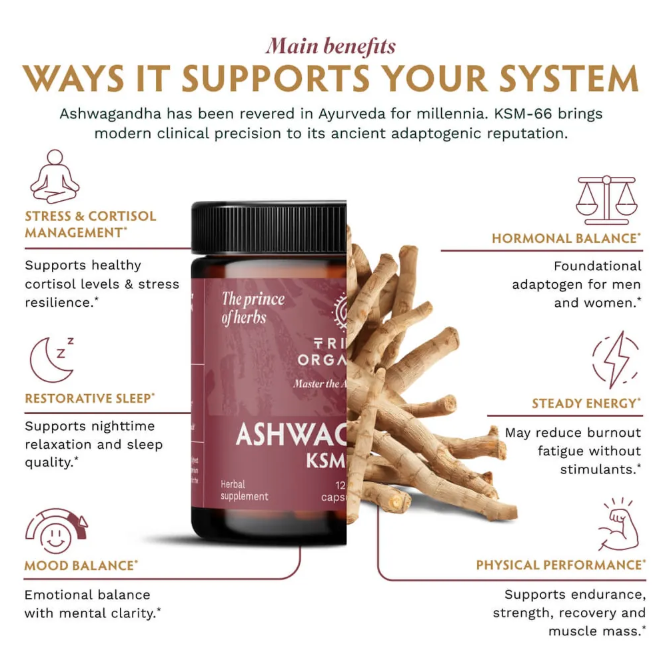
Tribe Organics Ashwagandha KSM-66
This is the product that most changed my ranking while researching this guide. I expected ashwagandha to sit politely below magnesium. It does not. On measured effect size it is the strongest thing on this page.
It also works completely differently. Magnesium is a nightly nudge you take and forget. Ashwagandha is a multi week intervention on the stress axis, and if stress is not what is keeping you awake, it is the wrong purchase.
Ashwagandha is the one ingredient here where the meta-analysis is unusually specific about what works. A 2021 systematic review pooled five randomized trials covering 400 people and found a small but significant improvement in overall sleep. The useful part is the subgroup detail: effects were most prominent in adults actually diagnosed with insomnia, at doses of 600mg or more per day, and over eight weeks or longer.15
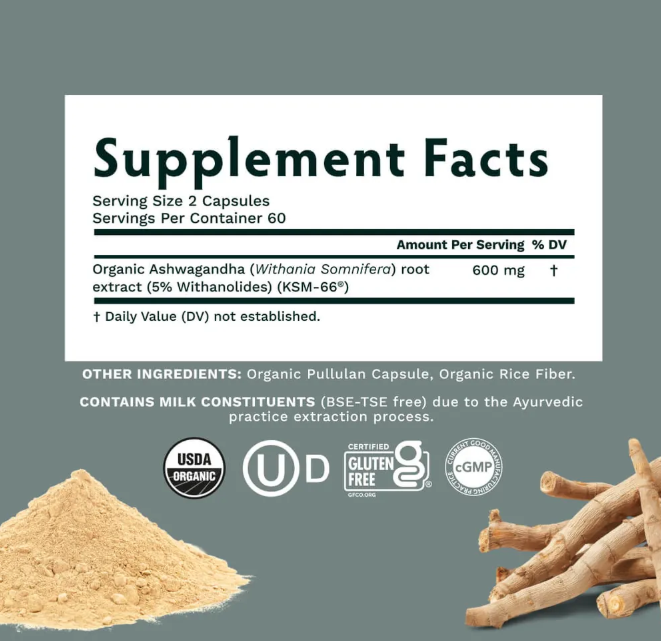
That gives you a real specification to shop against rather than a vague endorsement. Tribe Organics uses KSM-66, the branded root extract used in much of the clinical literature, standardized to 5% withanolides, at exactly 600mg per day across two capsules.
What I actually noticed
Nothing for the first two weeks, which nearly made me stop. What eventually changed was not sleep directly, it was the intensity of the wind down. Less mental churn in the evening, and less of the specific feeling of being tired but unable to put the day down. The sleep improvement felt like a consequence of that rather than a direct sedative effect.
Evidence chain, stated precisely
A 2021 meta-analysis of five randomized trials in 400 participants found ashwagandha improved overall sleep, with the strongest effects at 600mg or more per day for eight weeks or longer.15 A 2024 review reached broadly similar conclusions for anxiety and insomnia.16 Tribe Organics provides 600mg per day of KSM-66, which matches that threshold. No trial has tested Tribe Organics itself.
✓Good fit
Stress is genuinely the cause, not just the mood
If you can trace bad nights to workload, conflict or worry rather than to routine or environment, this is the mechanism that matches.
You are willing to give it eight weeks
The meta-analysis is explicit that the effect builds. This is the least suitable product here for someone wanting a result tonight.
You want the dose to match the research
600mg with a standardized 5% withanolide content is exactly what the strongest subgroup used.
You would rather treat a cause than a symptom
It works upstream on stress rather than downstream on sleep onset.
×Not the best fit
You want something for tonight
There is no meaningful same night effect. Buy magnesium or L-theanine instead.
You are pregnant, or you take thyroid medication
Ashwagandha is not recommended in pregnancy and can interact with thyroid treatment. This is a conversation for your doctor, not a purchase decision.
- Largest measured effect on sleep of any ingredient in this guide
- Uses KSM-66, the branded extract used in much of the clinical literature
- 600mg per day matches the dose threshold the meta-analysis identified
- Standardized to 5% withanolides, so potency is defined rather than assumed
- 120 capsules is a two month supply, which is roughly the duration the research requires
- Addresses a cause rather than masking a symptom
- No meaningful same night effect, it takes weeks
- Not appropriate in pregnancy, and interacts with thyroid medication
- Third party testing is a brand claim rather than a sport level certification
- Most expensive per bottle of the finalists at $36.99
- Some people report stomach upset taking it without food
- Useless if stress is not actually your problem
It ranks second rather than first only because it is narrower. It solves one problem extremely well, and if that problem is not yours it does nothing. Magnesium is more broadly useful, cheaper, and works faster.
But on the specific question of measured effect size, ashwagandha is the strongest evidence on this page, and the product matches the studied dose exactly. If stress is what is keeping you up, buy this before you buy anything else here.
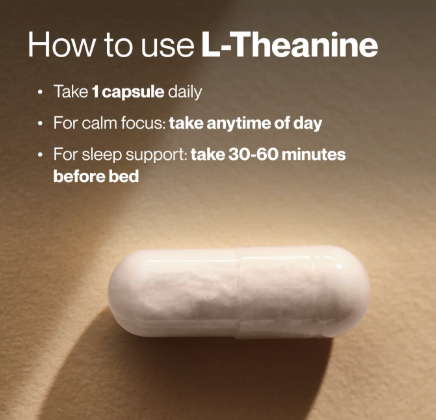
Momentous L-Theanine
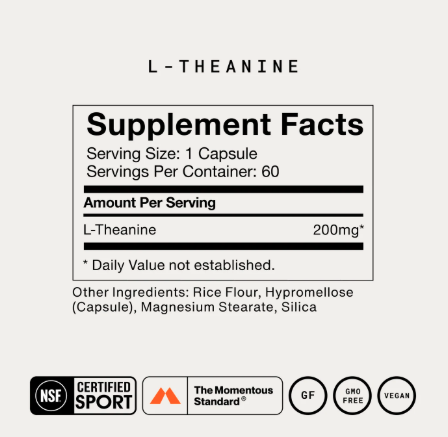
This is the most precisely dosed product in the guide. The trial used 200mg. The capsule contains 200mg. There is no interpretation required, which is rarer than it should be.
It is also the narrowest. L-theanine does one thing: it takes the edge off mental arousal without sedating you. If your problem is a loud mind rather than a tired body, that is exactly the right tool.
L-theanine is the amino acid in green tea responsible for alert calm rather than jitter. A 2019 randomized placebo controlled trial gave healthy adults 200mg daily for four weeks and found improvements in sleep related and stress related measures.5 It does not sedate, and it does not produce the next day fog that sedating antihistamines do.
The practical distinction I would draw is this. Magnesium addresses a physical substrate. Ashwagandha addresses a stress axis over weeks. L-theanine addresses the specific experience of lying down and having your mind immediately start talking. It is the most situational product here and the one I reach for least often, but when it matches the problem it matches it well.
What I actually noticed
A softening rather than a sedation. The thoughts are still there, they are just less insistent, and they stop demanding to be acted on. It works within the hour rather than over weeks, which makes it the useful counterpart to the ashwagandha.
Evidence chain, stated precisely
A 2019 randomized placebo controlled trial used 200mg of L-theanine daily for four weeks in healthy adults.5 Momentous provides exactly 200mg per capsule, making this the closest dose match in the guide. The trial did not test Momentous.
✓Good fit
Your mind will not stop at bedtime
The most specific match in the guide. This is the product for mental arousal rather than physical restlessness.
You want the product dose to equal the study dose
200mg studied, 200mg in the capsule. No arithmetic and no compromise.
You cannot tolerate feeling drugged
It produces calm without sedation and without next day grogginess.
You want something that works tonight
Unlike ashwagandha, the effect is available within the hour.
×Not the best fit
You are price sensitive
At $39.99 this is expensive for an ingredient that is cheap in bulk elsewhere. You are paying for NSF certification and convenience.
- Product dose exactly matches the studied dose of 200mg
- NSF Certified for Sport
- Works within the hour rather than over weeks
- No sedation and no next day grogginess
- One capsule per serving
- Fully disclosed single ingredient, nothing hidden in a blend
- Expensive relative to bulk L-theanine, which is a commodity ingredient
- Very narrow, it only addresses mental arousal
- Does nothing for a nutritional gap or a physical cause
- Easy to double up accidentally if you also take a combined sleep formula
- Least useful of the finalists if your sleep problem is environmental
It ranks third because it is excellent at one narrow job and irrelevant to every other job. The dose match is the best in the guide and the certification is the strictest available.
The honest criticism is price. L-theanine is a commodity. You are paying a significant premium for NSF certification and a brand you trust, and whether that is worth it depends on how much you care about who tests your supplements.
Pure Encapsulations Glycine
Glycine is the most interesting mechanism in this guide and the most awkward product decision. The research is genuinely intriguing. The dose maths is genuinely annoying.
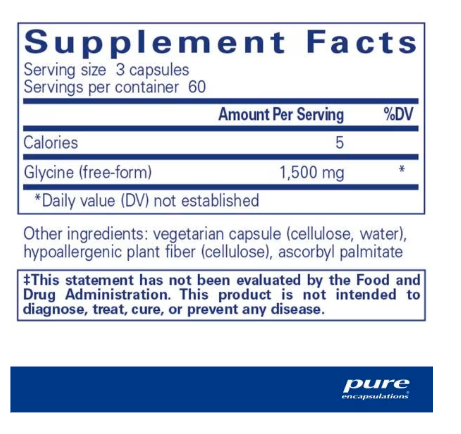
The trials used three grams before bed. This capsule contains 500mg. You do the arithmetic and arrive at six capsules a night, which is the single biggest practical obstacle to recommending it.
Glycine appears to work by cooling you down. Oral glycine raises blood flow to the skin, which sheds heat and lowers core body temperature, and falling core temperature is one of the physical triggers for sleep onset. Small human trials found 3g before bed improved subjective sleep quality in people with insomniac tendencies, and reduced next day fatigue after deliberately restricted sleep.411
I have graded this Tier 2 rather than Tier 1 deliberately. The trials are small and largely come from a single research group, which is a meaningful limitation even though the mechanism is well described.
The dose problem, stated plainly
Pure Encapsulations Glycine is a clean, well made, hypoallergenic product with nothing hidden in it. It is also 500mg per capsule against a studied dose of 3,000mg. Reaching the researched amount means roughly six capsules every night, which turns a 180 capsule bottle into about a month, and makes the real cost per night considerably higher than the shelf price suggests.
Evidence chain, stated precisely
Human trials used 3g of glycine before bed and were small.411 Pure Encapsulations provides 500mg per capsule, so matching the studied dose requires about six capsules. No trial has tested Pure Encapsulations. If you already take magnesium bisglycinate you are getting some glycine already, though far less than 3g.
✓Good fit
You want one ingredient with nothing else in it
No blend, no botanicals, no proprietary anything. Glycine and a capsule.
You are interested in the temperature mechanism
It is the most physiologically specific explanation of any ingredient here.
You have sensitivities and need a clean formula
The hypoallergenic line exists precisely for people who react to excipients.
×Not the best fit
Swallowing six capsules a night is a dealbreaker
It is for a lot of people, and that is a completely reasonable position.
You already take magnesium bisglycinate and want efficiency
There is real overlap. Bisglycinate already delivers glycine, and a separate large dose is the most redundant combination in this guide.
- Single ingredient with a well described physiological mechanism
- Hypoallergenic formulation with minimal excipients
- No proprietary blend and nothing undisclosed
- Inexpensive per capsule
- 180 capsules gives flexibility to dose up or down
- Pairs logically with the temperature drop your body is already trying to produce
- Requires about six capsules to reach the studied 3g dose
- Real cost per night is far higher than the shelf price implies
- Trials are small and largely from one research group
- Redundant alongside magnesium bisglycinate
- No sport level third party certification stated
It ranks fourth because the product is genuinely good and the practical fit is genuinely awkward. Nothing about the formulation is wrong. The gap between what the research used and what one capsule contains is simply large enough that most people will not close it.
If the temperature mechanism appeals to you and capsule count does not bother you, this is a clean way to test it. If you want the same idea with less effort, magnesium bisglycinate delivers glycine alongside a mineral you probably need anyway.
Sports Research Tart Cherry
This is the product with the most important caveat in the guide, and it is a caveat almost nobody writing about melatonin free sleep aids mentions.
Tart cherry contains melatonin naturally. The landmark sleep trial on it measured participants melatonin going up. It has no added melatonin, but it is not a melatonin free mechanism, and if you are avoiding melatonin for a medical reason that distinction matters.
Start with the caveat, because it changes what this product is. The best known tart cherry sleep study used juice concentrate and found increases in melatonin levels alongside improved sleep.17 Montmorency cherries contain melatonin naturally. Sports Research adds none, and the label is accurate when it says so, but the mechanism the research describes runs partly through melatonin.
Most articles in this category list tart cherry as a melatonin alternative without mentioning that. I think that is a failure of explanation. If you are avoiding melatonin because you dislike how supplemental melatonin makes you feel, this may still suit you. If you are avoiding melatonin on medical advice, this is a conversation to have with your doctor rather than an obvious substitute.
The second gap: dose
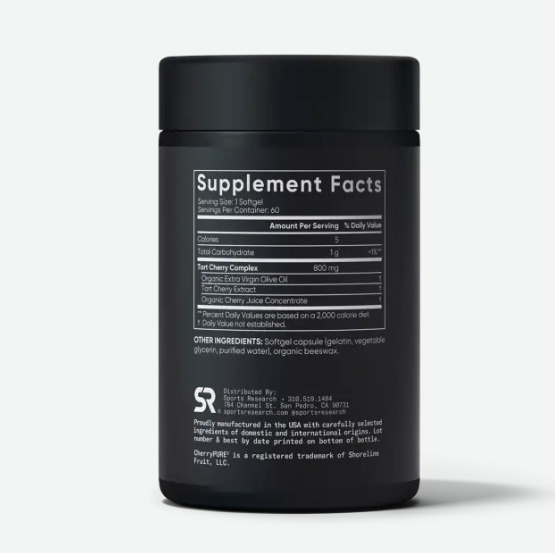
The research protocols used tart cherry juice concentrate, typically around 30ml twice daily. A single 800mg softgel of concentrate is a much smaller amount of cherry than those protocols delivered. I have graded it Tier 2 for that reason as much as any other.
Evidence chain, stated precisely
The best known tart cherry sleep trial used juice concentrate and measured raised melatonin levels alongside improved sleep.17 Sports Research provides 800mg of concentrate in a softgel, which is a considerably smaller dose than the juice protocols. No trial has tested this product. It contains no added melatonin, but tart cherry naturally contains some.
✓Good fit
You would rather take a food than an isolate
This is fruit concentrate rather than a synthesized compound, and for some people that framing genuinely matters.
You want something easy to keep up
One softgel, no measuring, no taste, no routine to maintain.
You are also using it for recovery
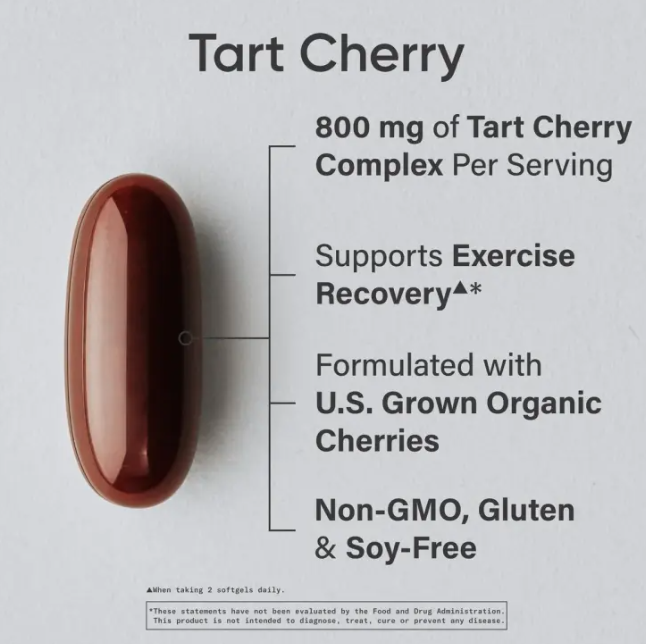
Tart cherry has a separate literature around exercise recovery that has nothing to do with sleep.
×Not the best fit
You are avoiding melatonin for a medical reason
Read the caveat above carefully. This is not a melatonin free mechanism, and your doctor should make this call.
You want the dose the research used
A softgel of concentrate is a long way from 30ml of juice concentrate twice a day.
- Whole food derived rather than an isolated compound
- Montmorency cherries, the variety used in the research
- No added melatonin, and the label is accurate about it
- One softgel per day, the lowest effort option in the guide
- Non GMO and gluten free
- Carries a separate evidence base around exercise recovery
- Tart cherry naturally contains melatonin, so this is not a melatonin free mechanism
- Softgel dose is far smaller than the juice protocols used in trials
- No anthocyanin standardization stated, so potency is not defined
- No sport level certification
- Amazon pricing moves, so the cost per night is only a snapshot
It ranks fifth because two gaps stack: the dose is much smaller than the research used, and the mechanism is not actually melatonin free. Neither is a reason to avoid it, and both are reasons to be honest about what you are buying.
I keep taking it because I like a food derived option in the rotation and because the recovery literature interests me separately. I would not buy it as my primary sleep intervention, and I would not buy it at all if I were avoiding melatonin for a clinical reason.
Also tested
4 products that did not make the cut
Testing a product does not earn it a recommendation. I take all four of these. None of them placed, and in two cases the reason is that I could not verify what is actually in the bottle.
not placed

Alice Nightcap
Reishi, L-theanine, chamomile, magnesium, zinc
Genuinely pleasant, which is the single best predictor of whether anyone keeps taking a sleep supplement. Individually wrapped squares also make it the easiest thing here to travel with.
Per ingredient amounts are not published, so no dose can be compared to research.
MAGPLUS+ No Melatonin Sleep Stack
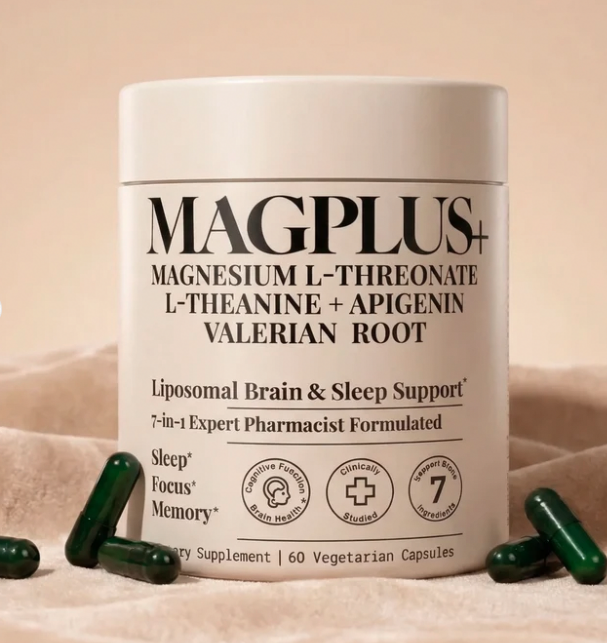
1050mg liposomal magnesium complex, 200mg L-theanine, 100mg chamomile 10:1, 100mg valerian 10:1, 50mg apigenin
The L-theanine is dosed at 200mg, which matches the studied amount exactly, and the botanical selection is sensible rather than scattergun.
The magnesium is quoted as a 1050mg complex combined with phosphatidylserine, so the actual elemental magnesium is unknown and likely well below the studied dose.
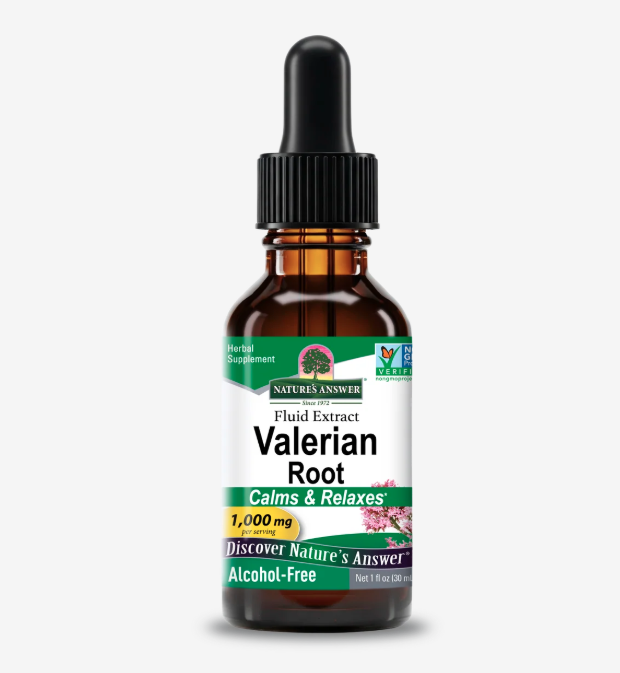
Nature's Answer Valerian Root
Valerian root fluid extract, 1000mg dried herb equivalent per 1ml
Alcohol free, clearly labelled at 1000mg dried herb equivalent per millilitre, and the dropper makes it easy to start low.
Valerian evidence is genuinely mixed, and a fluid extract is hard to compare to the dried extract doses used in trials.
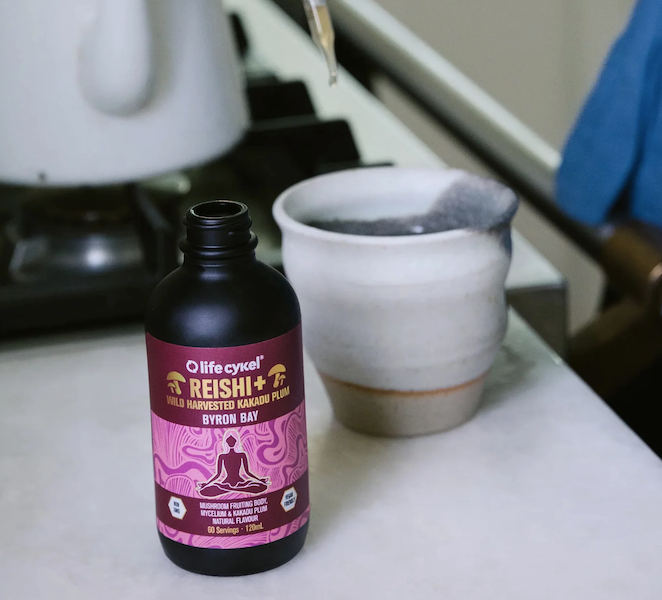
Life Cykel Reishi+
Reishi, fruiting body and mycelium
The best made mushroom product I have used. Dual extracted, real fruiting body content, and liquid format means it goes into a drink I was making anyway.
Direct human sleep evidence is lacking. The sleep research on reishi is animal work.
Find your answer
What Is Keeping You Up?
Pick the closest description. Every answer is written into the page, so you can also just read them all.
Human evidence is strongest when stress is the driver, and the meta-analysis found the clearest effects at 600mg or more per day.
The studied dose and the product dose are both 200mg, and it calms mental arousal without sedating you.
The most directly relevant trial evidence, the strictest testing, and the lowest cost per night in the guide.
One ingredient, no blend, and a well described mechanism through core body temperature.
Whole fruit concentrate rather than an isolate, from the cherry variety used in the research.
A repeatable cue that closes the day, and genuinely pleasant enough that people keep doing it.
Sensible ingredient selection, and the L-theanine is dosed at the studied 200mg.
A long traditional history and a clearly labelled extract if you want to try the botanical route.
The best made mushroom extract I have used, if you want to try it with clear eyes.
Putting it together
The Night, In Order
You do not need all of these. This is the sequence on a night when I use more than one.
Ashwagandha
Consistency matters more than clock time. The meta-analysis found effects strongest after eight weeks.
Tart cherry
With dinner in my case. Worth remembering it appears to work partly by raising your own melatonin.
L-theanine
Added on nights when the problem is clearly mental rather than physical.
Magnesium bisglycinate
The base layer, every night, with water. The one I never skip.
Cool, dark, consistent
None of the above beats a consistent wake time and a dark cool room.
Pairing, and where it stops making sense
Reasonable. Different mechanisms, no overlap, and both studied at the doses these products provide.
Reasonable. One is a mineral base, the other works on the stress axis over weeks.
Largely redundant. Bisglycinate already delivers glycine, though far less than the studied 3g.
Watch for duplication. Both contain 200mg, so together you are taking it twice.
Before you buy anything
What The Research Actually Supports
Every effect on this page is a nudge. The 2025 magnesium bisglycinate trial reported a real result with a small effect size, and its authors said so plainly.1 The 2021 magnesium meta-analysis described the underlying trials as small and of low to moderate quality.2 Ashwagandha has the largest measured effect of anything here, and it still came from five trials totalling 400 people.15
None of this competes with sleep behaviour. A consistent wake time, morning daylight, a cool dark room and keeping caffeine out of the second half of your day will outperform every product on this page. For insomnia lasting more than three months, cognitive behavioural therapy for insomnia is the recommended first line treatment ahead of medication, let alone ahead of supplements. If you are awake most nights, the honest advice is to get assessed rather than to buy another bottle.
Where supplements earn their place is at the margin. A magnesium closes a nutritional gap a lot of people genuinely have. Ashwagandha works on the stress axis if stress is what is actually keeping you up. L-theanine takes the edge off a loud mind. Those are real and modest jobs, and they are smaller claims than this category usually makes.
Everything else
Frequently Asked Questions
What is the best sleep supplement without melatonin?
What can I take instead of melatonin?
Is magnesium or L-theanine better for sleep?
Is magnesium bisglycinate the same as magnesium glycinate?
What form of magnesium is best for sleep?
How much magnesium should I take for sleep?
Does ashwagandha help sleep?
Does glycine help you sleep?
Does tart cherry contain melatonin?
Does valerian actually work for sleep?
Can I take magnesium and L-theanine together?
Are melatonin free sleep aids safer than melatonin?
How long do sleep supplements take to work?
When should I take sleep supplements?
Final Thoughts
If you take one thing from this page, make it the ingredient layer rather than the product layer. Magnesium, ashwagandha and L-theanine are the three with human trials behind them at doses you can actually buy. The specific bottles I use are conveniences, and I would rather you understand the ingredient and buy a different brand than buy mine without knowing why.
I left melatonin out of my own routine, but not because it does not work. It works, for circadian problems, which are not the problems I have. The labelling research is a second reason, and it is a reason about quality control rather than about the molecule.
Sleep is built, not bought. These make the building a little easier.Show your work
Sources & Further Reading
Magnesium and sleep
- 1. Schuster J, Cycelskij I, Lopresti A, Hahn A. Magnesium Bisglycinate Supplementation in Healthy Adults Reporting Poor Sleep: A Randomized, Placebo-Controlled Trial. Nature and Science of Sleep, 2025. PubMed 40918053
- 2. Mah J, Pitre T. Oral magnesium supplementation for insomnia in older adults: a systematic review and meta-analysis. BMC Complementary Medicine and Therapies, 2021. PubMed 33865376
- 10. Abbasi B, Kimiagar M, Sadeghniiat K, et al. The effect of magnesium supplementation on primary insomnia in elderly: a double-blind placebo-controlled clinical trial. Journal of Research in Medical Sciences, 2012. PubMed 23853635
- 14. Chan V, Lo K. Efficacy of dietary supplements on improving sleep quality: a systematic review and meta-analysis. Postgraduate Medical Journal, 2022. PubMed 33441476
Melatonin context
- 3. Erland LAE, Saxena PK. Melatonin Natural Health Products and Supplements: Presence of Serotonin and Significant Variability of Melatonin Content. Journal of Clinical Sleep Medicine, 2017. PubMed 27855744
- 9. Rondanelli M, Opizzi A, Monteferrario F, et al. The effect of melatonin, magnesium, and zinc on primary insomnia in long-term care facility residents in Italy. Journal of the American Geriatrics Society, 2011. PubMed 21226679
Ashwagandha
- 15. Cheah KL, Norhayati MN, Husniati Yaacob L, Abdul Rahman R. Effect of Ashwagandha (Withania somnifera) extract on sleep: a systematic review and meta-analysis. PLoS One, 2021. PubMed 34559859
- 16. Safety and efficacy of Withania somnifera for anxiety and insomnia: systematic review and meta-analysis. Human Psychopharmacology, 2024. PubMed 39083548
Amino acids and botanicals
- 4. Bannai M, Kawai N. New therapeutic strategy for amino acid medicine: glycine improves the quality of sleep. Journal of Pharmacological Sciences, 2012. PubMed 22293292
- 11. Bannai M, Kawai N, Ono K, et al. The effects of glycine on subjective daytime performance in partially sleep-restricted healthy volunteers. Frontiers in Neurology, 2012. PubMed 22529837
- 5. Hidese S, Ogawa S, Ota M, et al. Effects of L-Theanine Administration on Stress-Related Symptoms and Cognitive Functions in Healthy Adults: A Randomized Controlled Trial. Nutrients, 2019. PubMed 31623400
- 6. Hieu TH, Dibas M, Surya Dila KA, et al. Therapeutic efficacy and safety of chamomile for state anxiety, generalized anxiety disorder, insomnia, and sleep quality. Phytotherapy Research, 2019. PubMed 31006899
- 7. Kim JW, Han JY, Hong JT, et al. Enhancement of pentobarbital-induced sleep by apigenin through chloride ion channel activation. Archives of Pharmacal Research, 2012. PubMed 22370792
- 12. Apigenin: a natural molecule at the intersection of sleep and aging. Frontiers in Nutrition, 2024. PubMed 38476603
Tart cherry, valerian and reishi
- 17. Howatson G, Bell PG, Tallent J, et al. Effect of tart cherry juice (Prunus cerasus) on melatonin levels and enhanced sleep quality. European Journal of Nutrition, 2012. PubMed 22038497
- 18. Bent S, Padula A, Moore D, et al. Valerian for sleep: a systematic review and meta-analysis. The American Journal of Medicine, 2006. PubMed 17145239
- 19. Fernandez-San-Martin MI, Masa-Font R, Palacios-Soler L, et al. Effectiveness of valerian on insomnia: a meta-analysis of randomized placebo-controlled trials. Sleep Medicine, 2010. PubMed 20347389
- 8. Cui XY, Cui SY, Zhang J, et al. Extract of Ganoderma lucidum prolongs sleep time in rats. Journal of Ethnopharmacology, 2012. PubMed 22207209
- 13. Ganoderma lucidum spore extract improves sleep disturbances in a rat model of sporadic Alzheimer's disease. Frontiers in Pharmacology, 2024. PubMed 38720773
Keep reading
You May Also Like

Sleep Architecture
The science underneath this page. How sleep pressure and your circadian clock decide when you actually fall asleep.
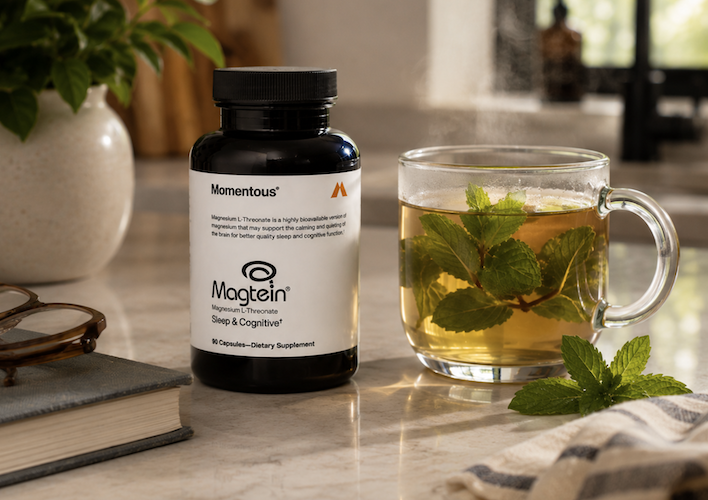
Momentous Magnesium L-Threonate Review
The other magnesium in my cabinet, why it costs three times as much, and when it is worth it.

Alice Nightcap Review
The full write up on the ritual pick, including how it performed on a long haul flight.
Affiliate disclosure
Some links in this article earn Sama Says a commission at no additional cost to you. Recommendations and rankings are based on my own use of the products, a review of each label and formula, and the published research described above.