

Guide · Caffeine Metabolite
Your liver already makes it. PARAXANTHINE
When you drink coffee, your liver converts most of that caffeine into paraxanthine within a few hours, and it's paraxanthine, not caffeine itself, that's responsible for a large share of the alertness you feel. Now it's isolated and studied on its own.
The Short Version (TL;DR)
The primary metabolite of caffeine: the compound your liver converts most caffeine into.
Human trials at 200-300mg show improved short-term memory, attention, and focus vs placebo.
Reported side effects trend lower than caffeine at comparable doses, though tolerance still varies.
Now isolated directly: supplement brands deliver it without routing through caffeine first.
The Basics
What is paraxanthine?
When you drink coffee, your body does not just run on caffeine. Your liver metabolizes the majority of that caffeine into paraxanthine within a few hours, and it is paraxanthine, not caffeine itself, that is responsible for a large share of the alertness you feel. Isolating and supplementing with paraxanthine directly, rather than waiting on your liver to convert caffeine, is the premise behind a new generation of energy drinks and supplements. The most established branded form is enfinity®, a patented, purified paraxanthine ingredient used in products like Update Energy.
Contains caffeine
Metabolizes most of it
The active result
This hub covers the mechanism, the human trials, and the products actually built around isolated paraxanthine.
The Mechanism
How paraxanthine works
Like caffeine, paraxanthine blocks adenosine receptors, the same pathway responsible for that alert, awake feeling. But the similarities do not stop there.
Select a pathway to read what it does
Adenosine antagonism
Paraxanthine blocks A1 and A2a adenosine receptors, with slightly higher binding potency than caffeine itself.
NCBI, PMC3562388Stronger locomotor effect
Research shows paraxanthine has a stronger activating effect than caffeine or its other metabolites, theophylline and theobromine.
NCBI, PMC3562388Beyond adenosine
Paraxanthine also inhibits PDE9 and is thought to increase dopamine and glutamate release through nitric oxide signaling.
NCBI, PMC3562388The Comparison
Paraxanthine vs caffeine, at a glance
The practical differences people actually notice, not a marketing claim of "no jitters, no crash."
Paraxanthine
Caffeine
For the full breakdown, see Paraxanthine vs Caffeine: What's the Difference.
The Evidence
What the human trials show
Randomized, double-blind, placebo-controlled, crossover trials: the gold standard study design.
Three distinct human-trial signals, read left to right
Memory & Attention
What was observedImproved short-term memory, reasoning, and response time, and helped sustain attention versus placebo.
Source: NCBI, PMC8622427Dose Response
What was observedBoth doses improved N-Back task performance by increasing engagement and correct responses.
Source: NCBI, PMC8708375Energy & Satiety
What was observedIncreased energy, focus, and satiety, with measurable improvement in postprandial cognitive performance.
Source: NCBI, PMC12777857Human trials have tested doses from 50mg up to 300mg using randomized, placebo-controlled designs with side-effect questionnaires built in. Reported tolerability has generally been favorable at these doses, with 200mg emerging as a commonly studied effective dose. As with any stimulant compound, individual sensitivity varies, and timing matters if sleep is a concern.
From Research To Routine
Three ways to actually use paraxanthine
The compound is the same. The format, dose delivery, and daily fit are not. Here's how the three products readers ask about most actually differ.
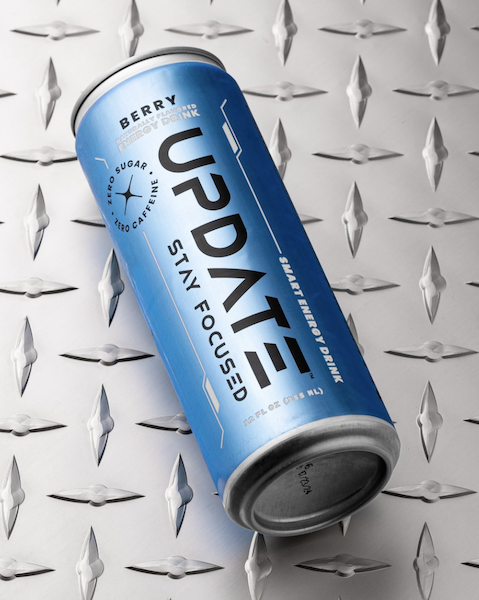
Update Energy
300mg isolated paraxanthine (enfinity®) per canZero caffeine, zero sugar, built entirely around isolated paraxanthine rather than a caffeine blend. Drinks like a traditional energy drink.
Best for: readers who want a can-and-drink experience closest to what they already know, with a single, clearly stated paraxanthine dose.
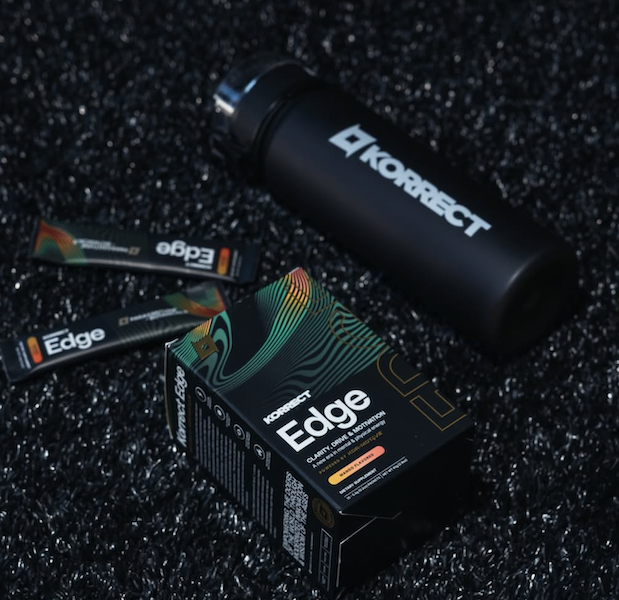
Korrect Edge Instant
Paraxanthine (enfinity®), part of a 550mg Kor-Motive BlendA single-serve packet you tear open and mix with water in the included shaker. No caffeine. Paraxanthine here is delivered alongside enXtra and Zynamite S in a blended formula rather than as an isolated dose.
Best for: travel days, fasted mornings, and anyone who wants grab-and-go convenience without swallowing capsules.
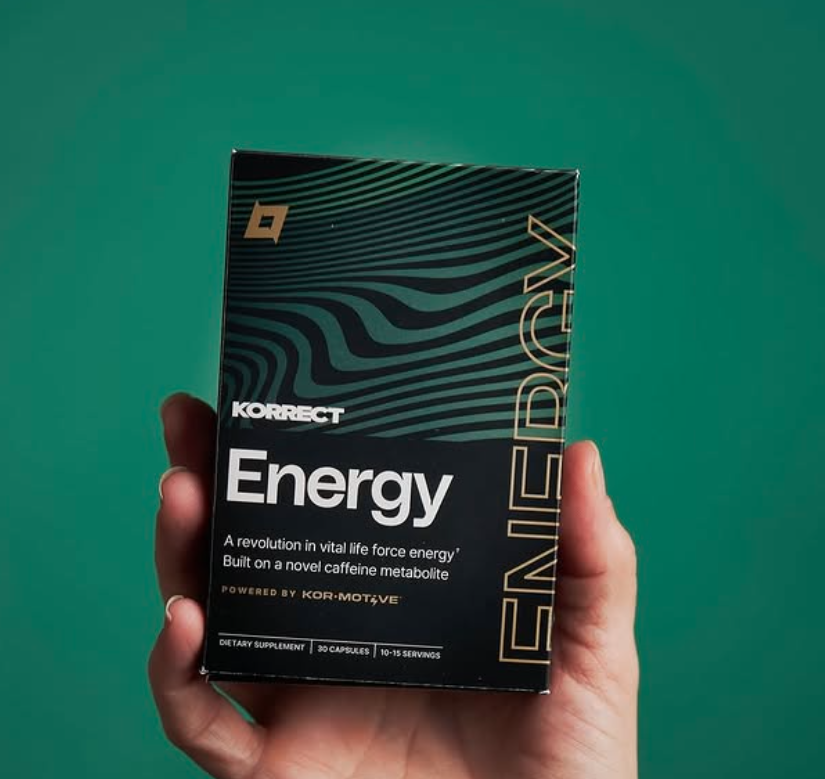
Korrect Edge Capsules
Same Kor-Motive Blend formula, 2 to 4 capsules per servingFormerly sold as Korrect Energy, same core formula as Edge Instant in capsule form. In Sama's 30-day test, the original 2-capsule dose felt milder by week 3, a sign of tolerance adaptation, and required increasing to 4 capsules to match.
Best for: readers who prefer capsules over mixing and want more control over stacking within a structured supplement routine.
Why People Get Curious
Who might consider paraxanthine
Not medical eligibility, just the reasons people usually start looking into it.
Gets jittery or anxious from coffee
Notices a hard afternoon crash
Sensitive to caffeine but still wants alertness
Wants steadier focus for deep work
Continue The Signal
Explore paraxanthine products
Every post in this hub, starting with Update Energy, the first brand built entirely around it.
Best Energy Drinks for Focus Without Jitters
How the category compares when jitters and crash are the priority.
Read the comparison → MechanismParaxanthine vs Caffeine: What's the Difference?
The full breakdown of the comparison summarized above.
Read the breakdown → ReviewUpdate Energy Drink Review
The full review of the product this hub keeps pointing to.
Read the review →Keep Exploring
Explore the other guides
Each guide is its own small world. This is where the reader chooses the next one.
Mitochondria Hacks
The cellular engine that actually produces energy.
Read the guide →Gut Optimization
Where a lot of energy and focus problems actually start.
Read the guide →Sleep Architecture
Why timing your stimulant matters more than the dose.
Read the guide →Training & Hormones
The signals your body reads as "go."
Read the guide →Light & Grounding
The signal that sets your alertness before you've had anything at all.
Read the guide →Quick Answers
Frequently asked questions about paraxanthine
What is paraxanthine?
Paraxanthine is the primary metabolite of caffeine, the compound your liver converts most caffeine into after consumption. Supplement brands now isolate and deliver it directly instead of relying on caffeine metabolism.
Is paraxanthine the same as caffeine?
No. They are related but distinct compounds. Paraxanthine is what your body converts caffeine into, and research suggests it produces a stronger locomotor effect with fewer reported jitters at comparable doses.
Is paraxanthine safe?
Human trials at doses of 50 to 300mg have generally reported favorable tolerability. Individual sensitivity still varies, and anyone with a stimulant sensitivity or medical condition should consult a healthcare professional first.
How much paraxanthine is in Update Energy?
Update Energy contains 300mg of paraxanthine (enfinity®) per can, with zero caffeine and zero sugar.
Does paraxanthine keep you awake like caffeine does?
It can promote alertness, but research and user reports suggest the effect feels steadier, with lower reported sleep disruption than high dose caffeine, especially when timing is managed.
Some links on this page are affiliate links, including the Update Energy link above. If you buy through them I may earn a commission at no extra cost to you. It does not change what I recommend: this is a product I've actually reviewed in full.
Stay Curious.
Better health isn't found in a single article. It's built through curiosity, evidence, and small discoveries over time.
Join thousands exploring longevity, gut health, recovery, nutrition, and the tools that truly make a difference.
No spam. Unsubscribe anytime.
Curiosity looks good on you.
Check your inbox and confirm your email to join the community.
Your next discovery is waiting.
For educational purposes only. Nothing here is medical advice. Consult a qualified professional before making changes to your diet or supplement routine.