

Infrared Sauna Benefits: Detox, Energize, and Boost Circulation Naturally
Heat Therapy · Recovery
Infrared Sauna Benefits
What infrared sauna use actually does for circulation, recovery, and stress, separated from the marketing claims that go further than the research does.
- Infrared saunas heat your body directly with light rather than heating the surrounding air, allowing a lower, often more tolerable air temperature than a traditional sauna.
- Randomized trials support real benefits for cardiorespiratory fitness, blood pressure, and exercise recovery muscle recovery, this isn't just anecdote.
- The viral "burns 600 calories, like a jog" claim is an overstatement, real body mass loss from a session is modest and mostly water weight.
- Pairing a sauna session with a cold plunge is a combination I use myself, and it has its own dedicated appeal beyond either one alone.
I've spent a lot of time in infrared saunas over the past couple of years, and I wanted to write the version of this guide that separates what's actually been studied from what's just repeated online. Infrared sauna therapy has real, published support for several benefits, along with a few commonly repeated claims that go further than the evidence does. Here's what I've learned, with the research to back it up.
The basics
How Infrared Saunas Actually Work

Direct Radiant Heat at a Lower Air Temperature
Traditional saunas heat the air around you, typically to 150 to 195°F. Infrared saunas use infrared light to warm your body directly, which means the surrounding air can stay cooler, usually 120 to 165°F, while your core temperature still rises. That's the main reason people who find traditional saunas too intense often tolerate infrared sessions better.
The evidence
What the Research Actually Shows
Three areas with real randomized controlled trial data behind them.
Cardiovascular Fitness
An 8-week randomized trial found regular postexercise sauna bathing improved cardiorespiratory fitness, systolic blood pressure, and total cholesterol compared to exercise alone.
Muscle Recovery
A exercise recovery infrared sauna session improved recovery of neuromuscular performance and reduced muscle soreness compared to passive recovery in a controlled trial.
Joint Pain and Stiffness
A pilot study in patients with rheumatoid arthritis and ankylosing spondylitis found short term improvement in pain and stiffness with infrared sauna use, well tolerated with no adverse effects.
Cardiovascular findings: NCBI, PMC9394774. Muscle recovery findings: NCBI, PMC10286597.
Setting the record straight
The "600 Calorie" Claim, Corrected
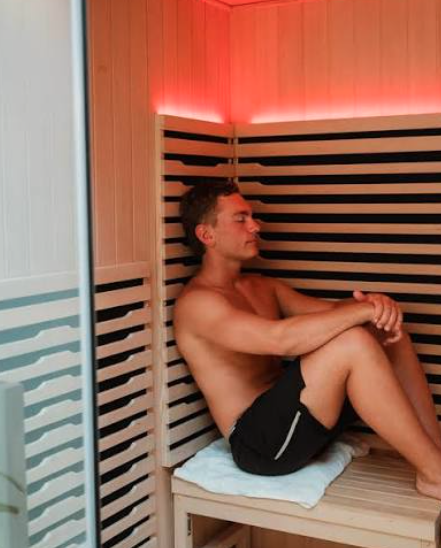
Real, But Modest, Not a Jog Replacement
You'll see the claim that a 30 minute sauna session burns up to 600 calories, similar to a moderate jog. That's an overstatement. In a controlled study, a 60-minute sauna protocol in sedentary overweight men produced a body mass loss of about 0.65 kg, and that loss comes mostly from fluid and some glycogen use, not from burning the equivalent of a run. Heart rate and energy expenditure do rise measurably during a session, which is a real physiological effect, but it isn't a substitute for exercise.
Bottom line: think of sauna use as a genuine complement to activity, supported by real cardiovascular and recovery benefits, not a stand in for it.
Body mass loss data: NCBI, PMC4295591
Choosing between them
Infrared vs. Traditional Sauna
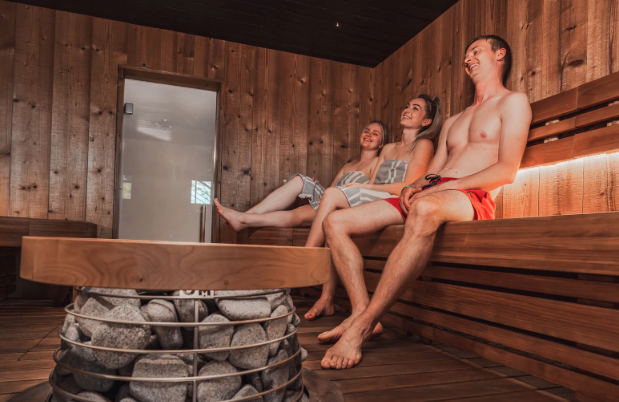
Two Valid Approaches to Heat Therapy
Where they differ
- Traditional saunas run hotter, 150 to 195°F, often with steam
- Infrared saunas run cooler, 120 to 165°F, with deeper direct tissue heating
- Traditional saunas have more long term cardiovascular research behind them, including links to reduced cardiovascular mortality
- Infrared saunas are generally easier to tolerate for longer sessions, especially for people sensitive to intense heat
My take: both are legitimate, the right choice comes down to which heat level you can actually use consistently.
My actual routine
Pairing Heat With Cold
My own routine is usually two 20-minute sauna sessions, followed by a 3 to 4-minute cold plunge, sometimes with a second short plunge afterward. The shift from extreme heat to extreme cold is genuinely one of my favorite parts of the routine, it's a real jolt that leaves me feeling sharp and clear afterward. This kind of contrast therapy isn't necessary to get the benefits of either heat or cold on their own, but I find the combination adds something neither one gives me alone.
BlueCube Cold Plunge
This is the cold plunge I pair with my sauna sessions for contrast therapy, my full review covers setup, cost, and what it's actually like day to day.
Before you start
Safety and Session Guidelines
Hydrate beforehand
Drink 8 to 16 ounces of water about 30 minutes before your session.
Start short
Begin with 10 to 15 minute sessions, 2 to 3 times a week, and increase gradually as your body adapts.
Listen to your body
Exit immediately if you feel dizzy, nauseous, or uncomfortable.
Rehydrate after
Drink 16 to 24 ounces of water after the session to replace fluids lost through sweating.
Check with a doctor first
Especially important if you're pregnant or have a cardiovascular condition.
Read this before you start
A Note on Detox Claims
Sweating Is Not the Same as Detoxing
Sweating during a sauna session is real and can help cleanse pores, but the idea that sauna sweat is a meaningful pathway for eliminating toxins from your body isn't well supported, your liver and kidneys handle that job. Treat sauna use as genuine support for cardiovascular fitness, recovery, and relaxation, backed by real controlled trials, rather than a detox protocol.
Quick answers
Frequently Asked Questions
How often should I use an infrared sauna?
Does infrared sauna use actually burn 600 calories?
Is infrared sauna better than a traditional sauna?
Can infrared sauna help with muscle recovery?
Is it safe to combine sauna with a cold plunge?
Final Thoughts
Infrared sauna use has genuine, research backed benefits for cardiovascular fitness, muscle recovery, and joint pain, that's not marketing, it's what the controlled trials actually show. Where I'd push back is on the bigger claims, the calorie burn numbers and the detox framing go further than the evidence supports. Used consistently and safely, with or without a cold plunge on the back end, it's one of the more well supported recovery tools I use.
For educational purposes only. Nothing here is medical advice. Consult a healthcare provider before starting sauna use, especially if pregnant or managing a cardiovascular condition. As an affiliate, samā·says may earn a commission on qualifying purchases made through links in this post.