
Paraxanthine vs Caffeine: What’s the Real Difference in Energy, Focus, and Crash?
Paraxanthine · Caffeine
Paraxanthine vs Caffeine: What's the Real Difference in Energy, Focus, and Crash?
Most people rely on caffeine daily without realizing caffeine itself isn't what ultimately creates alertness. Here's the science.
- When you drink caffeine, your liver converts most of it into paraxanthine, the compound actually responsible for much of the alertness you feel.
- Both block adenosine receptors and operate in similar pathways, the difference shows up in how they interact systemically.
- Caffeine tends to feel sharper with a spike and drop, paraxanthine is often reported as smoother and steadier.
- If you tolerate caffeine well, there may be no reason to switch. If you get jittery, crash, or sleep poorly, it's worth exploring.
Starting with the familiar one
What Is Caffeine?
Caffeine is a central nervous system stimulant that works primarily by blocking adenosine receptors in the brain. Adenosine is the chemical that signals fatigue, so when those receptors are blocked, you feel alert. For many people, that works well. For others, it creates jitteriness, digestive discomfort, or an afternoon crash.
Heart rate
Increases with stimulation.
Cortisol
Release is stimulated.
Anxiety
Can elevate it in sensitive people.
Sleep
May disrupt it depending on timing.
The metabolite doing the real work
What Is Paraxanthine?
Paraxanthine is the primary metabolite produced when your liver breaks down caffeine. About 70 to 84 percent of caffeine is converted into it.
Blocks Adenosine, Influences Dopamine
What it does
- Blocks adenosine receptors, like caffeine
- Influences dopamine and norepinephrine
- Responsible for much of caffeine's cognitive effect
Paraxanthine is a non selective adenosine receptor antagonist with slightly higher binding potency than caffeine: NCBI, PMC3562388
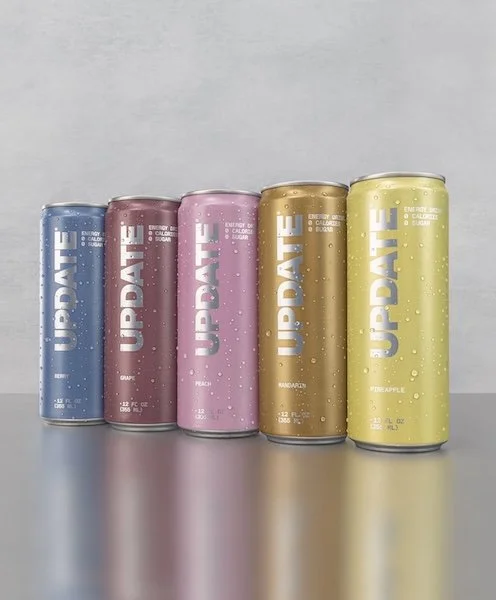
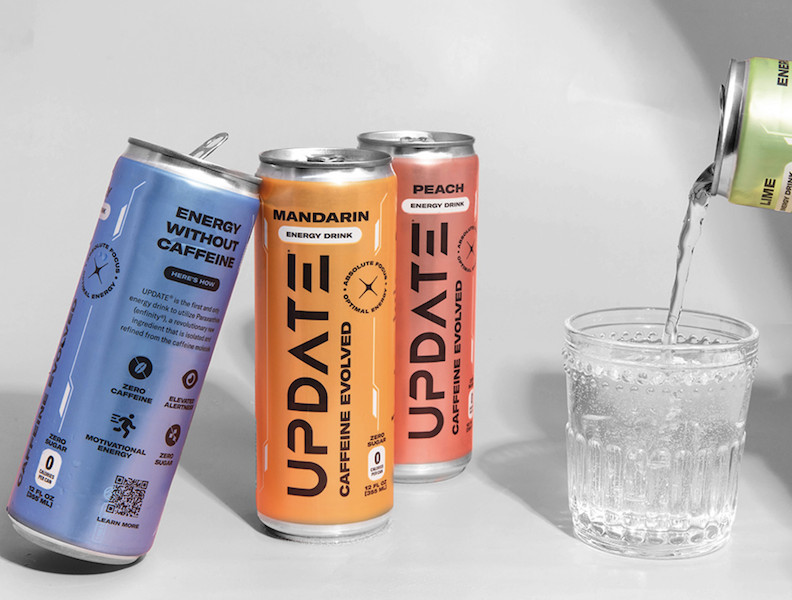
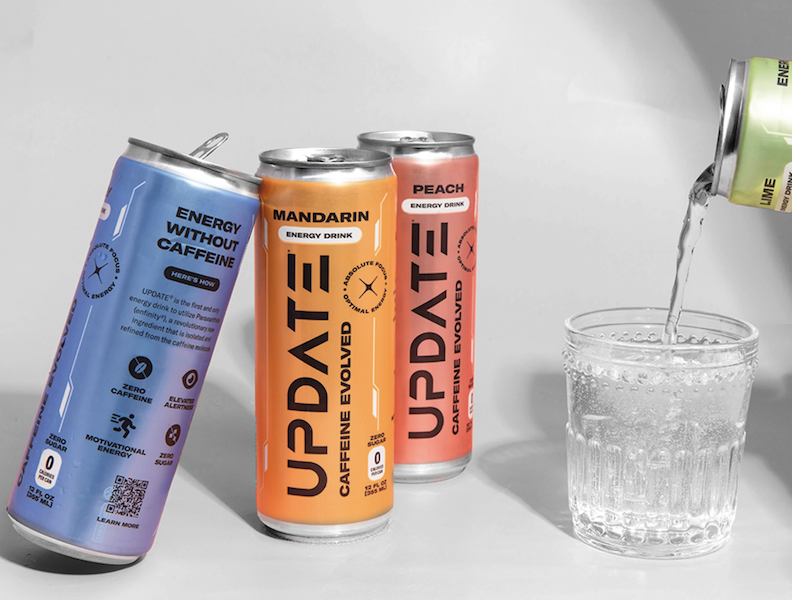
Instead of waiting for your body to convert caffeine, newer formulations isolate paraxanthine directly. See how it performs in Update Energy Drink Review.
Where they agree
Mechanism of Action: Where They Overlap
From a receptor standpoint, both operate in similar pathways.
Adenosine
Both block adenosine receptors.
Wakefulness
Both promote it.
Alertness
Both increase it.
Cognition
Both support short term performance.
The difference lies in how they interact systemically, not in the core receptor mechanism.
Side by side
Where the Experience Can Differ
Individual response varies, but many users report noticeable differences.
Caffeine converts to paraxanthine via CYP1A2 metabolism at roughly 70 to 84 percent, with caffeine's own half life ranging 3 to 8 hours depending on the individual: NCBI Bookshelf, NBK223808
The shift
Why Some Brands Are Moving Toward Paraxanthine
As interest grows in clean energy, manufacturers are exploring alternatives to traditional caffeine, offering a direct pathway to the metabolite responsible for alertness without requiring caffeine metabolism first.

Paraxanthine as the Primary Stimulant
Why now
- Growing consumer interest in clean, jitter free energy
- A direct pathway to the alertness compound itself
- No reliance on caffeine metabolism first
Worth reading: see Best Energy Drinks for Focus Without Jitters for a full breakdown of smoother stimulation options.
Curious how paraxanthine feels in practice?
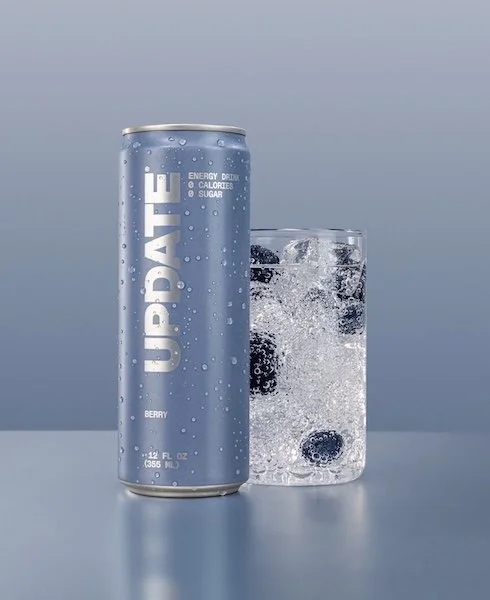
Try Update Energy
300mg of paraxanthine instead of caffeine, for steady focus without the typical crash. Use code SAMA for 10% off.
Is Paraxanthine Better Than Caffeine?
"Better" depends on the individual.
Caffeine may still work fine if you
Paraxanthine is worth exploring if you
Quick answers
Frequently Asked Questions
Is paraxanthine stronger than caffeine?
Does paraxanthine still block adenosine?
Will paraxanthine keep me awake at night?
Is paraxanthine natural?
Does paraxanthine cause crashes?
Ready to try a different approach to energy?
Shop Update Energy
A caffeine free alternative designed for smoother stimulation. Use code SAMA at checkout for 10% off.
Go deeper
Explore the Paraxanthine Guide
The Complete Guide to Paraxanthine
Read the guide →Best Energy Drinks for Focus Without Jitters
Read the comparison →Update Energy Drink Review
Read the review →Conclusion: A Shift Toward Smarter Stimulation
Caffeine has been the dominant stimulant for decades, and for many people, it works. Paraxanthine represents an evolution, isolating the metabolite responsible for cognitive alertness and delivering it directly. For individuals seeking smoother energy, reduced jitteriness, and more predictable focus, paraxanthine offers an intriguing alternative. Understanding the difference allows you to choose intentionally rather than defaulting to tradition.
Keep reading
You May Also Like
For educational purposes only. Nothing here is medical advice, consult a qualified professional before making changes to your diet or supplement routine. As an affiliate, samā·says may earn a commission on qualifying purchases made through links in this post.