
Eight devices, three ways of working, and an honest look at the evidence, the safety rules and what each one really costs over two years, with Sama's notes on the brands she has used.
Four brands in this guide are our affiliate partners: Apollo Neuro, Muse, Pulsetto and Hoolest. We earn a commission if you buy through our links, at no extra cost to you. Sensate, HeartMath, Truvaga and Nuropod are independent picks, and we have no relationship with them. Commissions never decide our awards or evidence grades.

The Short Answer: Which Stress Relief Device Should You Buy?
These eight devices calm you in different ways: some are stress relief wearables, some you hold for a few minutes, and some coach you to breathe or meditate. The best one depends on how you want to use it. The research behind them varies a lot, and no device is guaranteed to lower your stress.
Our partner picks
Brands Sama has used · paid links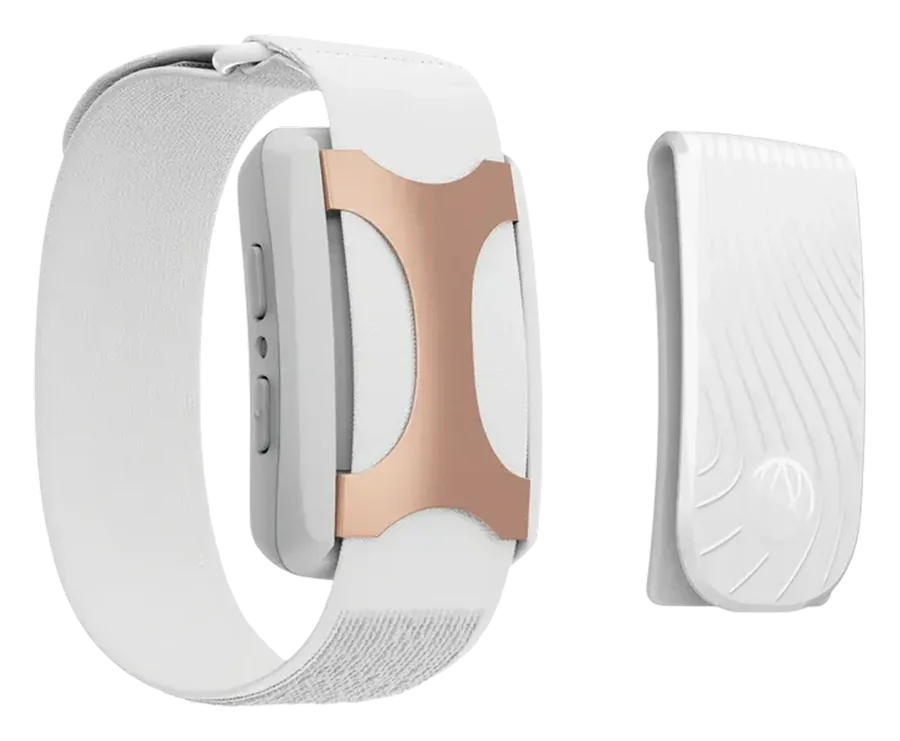 Best for everyday wearable convenienceApollo NeuroWear it on your wrist or ankle while you go about your day.$448 with year one · $99 off through our linkWatch out: the membership renews at about $99 a year.Read the Apollo chapter
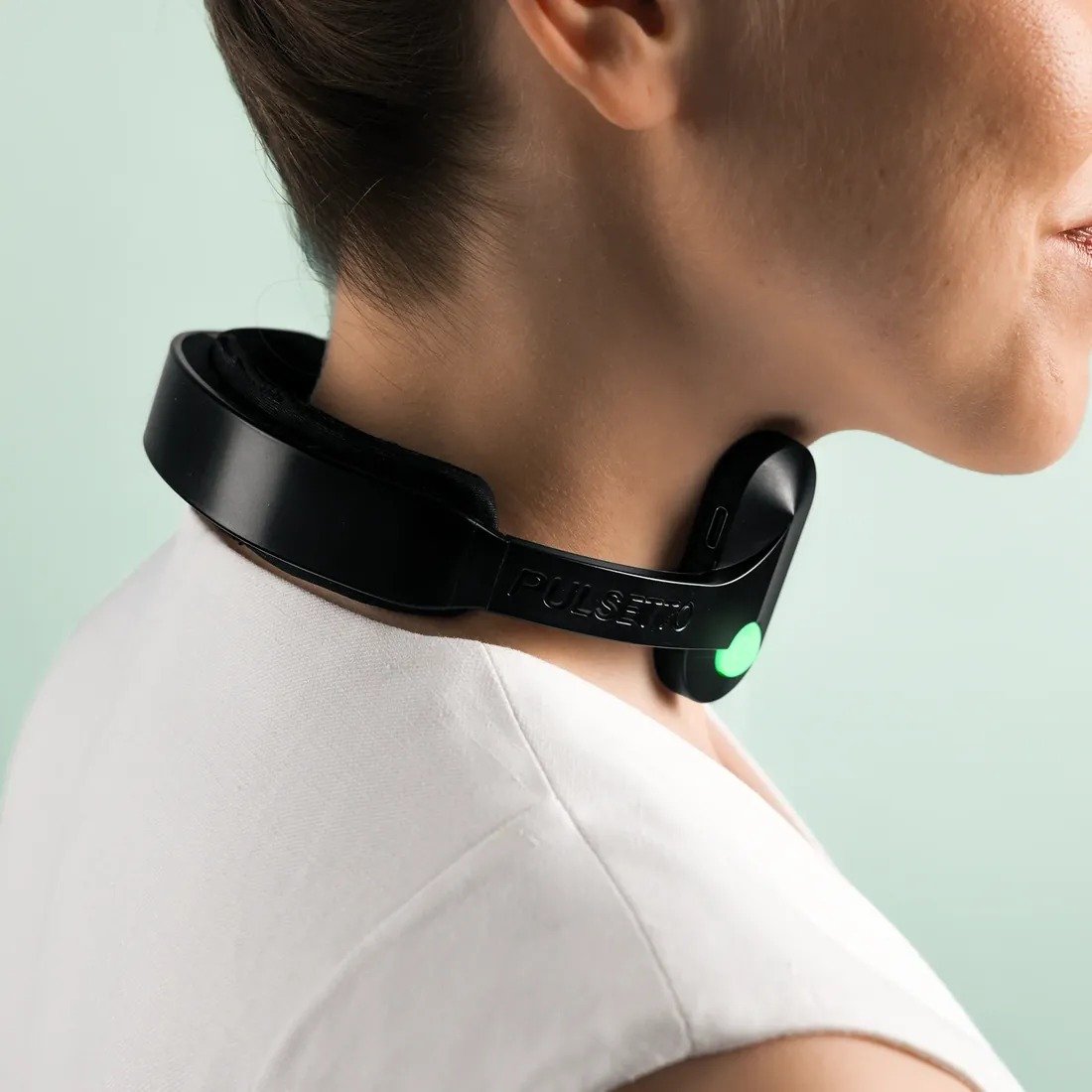
- Best for hands free neck stimulationPulsetto FITRests around your neck for short, app guided sessions.$269 on Pulsetto's siteWatch out: conductive gel every session, and the app is required.Read the Pulsetto chapter
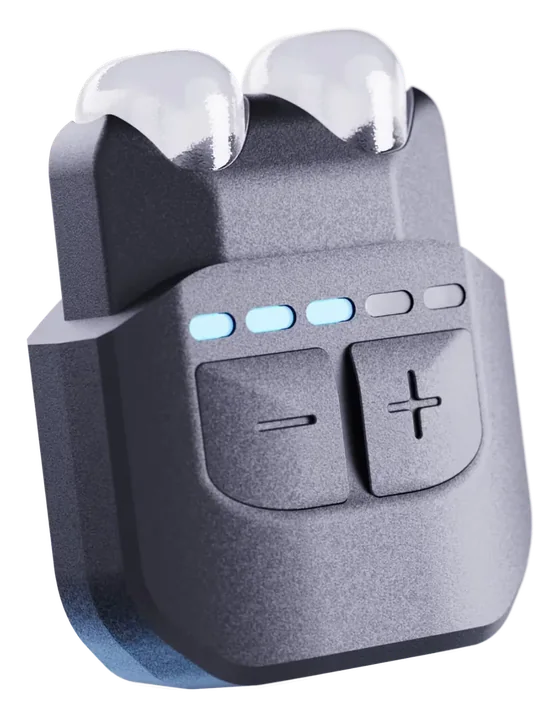
- Best for portable, intentional relaxation sessionsHoolest MiniA keychain size handheld for a few calm minutes, with no app.$99 in Hoolest's current sale · regular $149Watch out: you hold it for every session.Read the Hoolest chapter
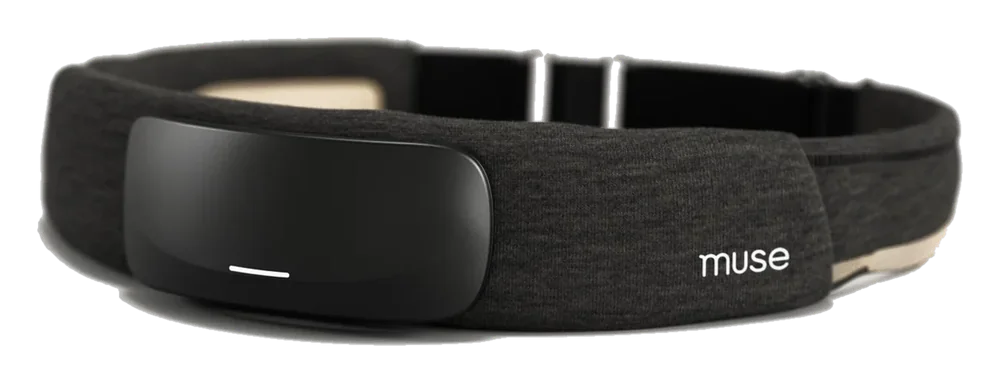
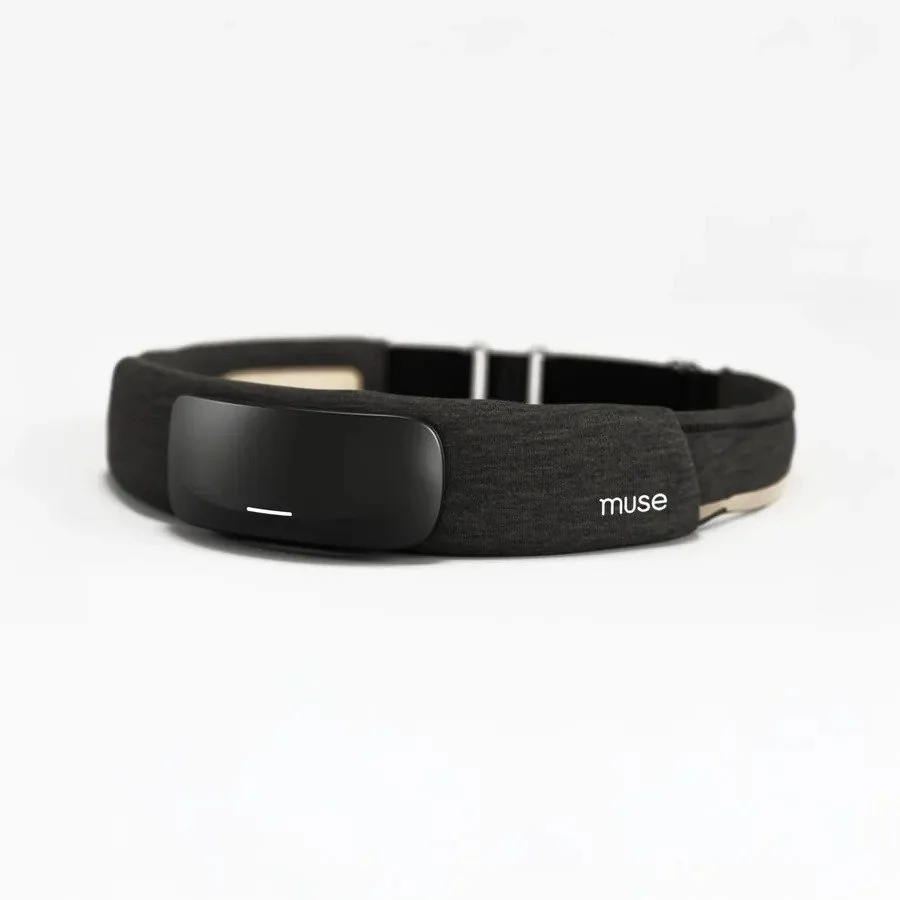
- Best for guided meditation and neurofeedbackMuse S AthenaA headband that turns your brain signals into sound while you meditate.$474.99 · 15% off through our linkWatch out: you need to set aside time for sessions.Read the Muse chapter
Independent alternatives
Researched, not used by Sama · no commission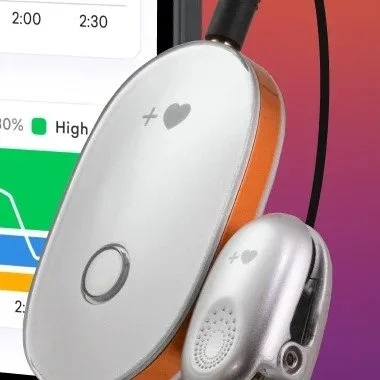 Best for building a breathing skillHeartMath Inner BalanceAn ear sensor that paces slow breathing from your heart rhythm.$249, app includedWatch out: it only helps if you practise.Read the HeartMath chapter
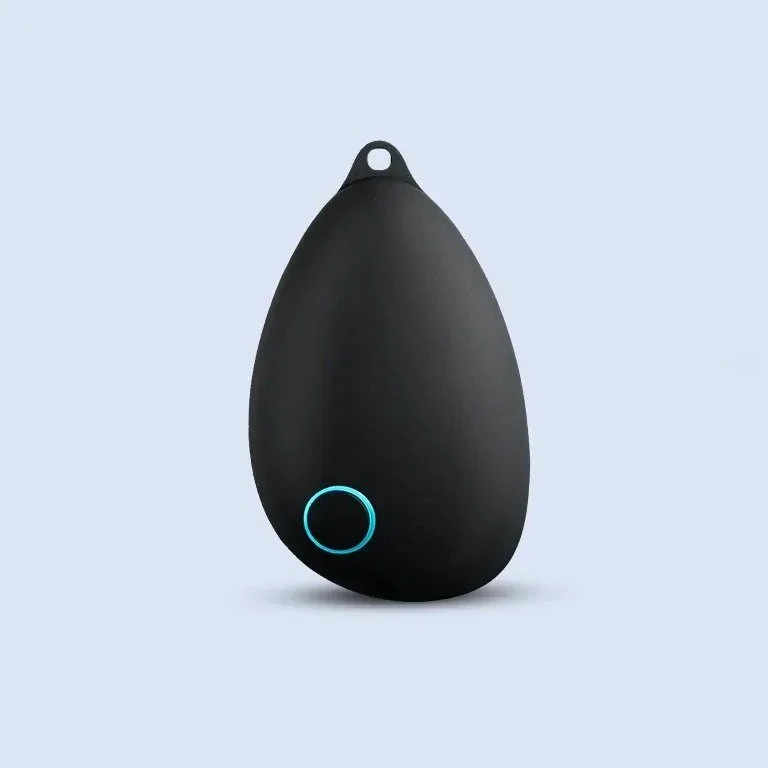 Best for lying down and switching offSensate 2A pebble on your chest that hums with low sound you can feel.$299 · 90 day returnsWatch out: only a small company study so far.Read the Sensate chapter
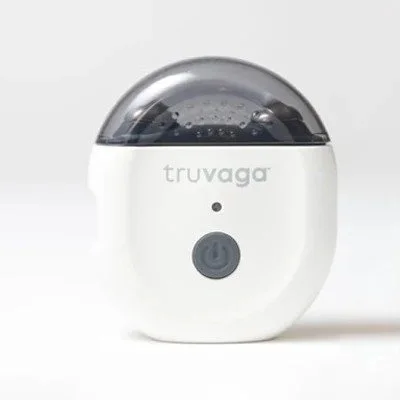 Best two minute handheldTruvaga PlusTwo minute neck sessions from the maker of a prescription device.$499Watch out: Truvaga itself is not FDA cleared, and it needs its app.Read the Truvaga chapter
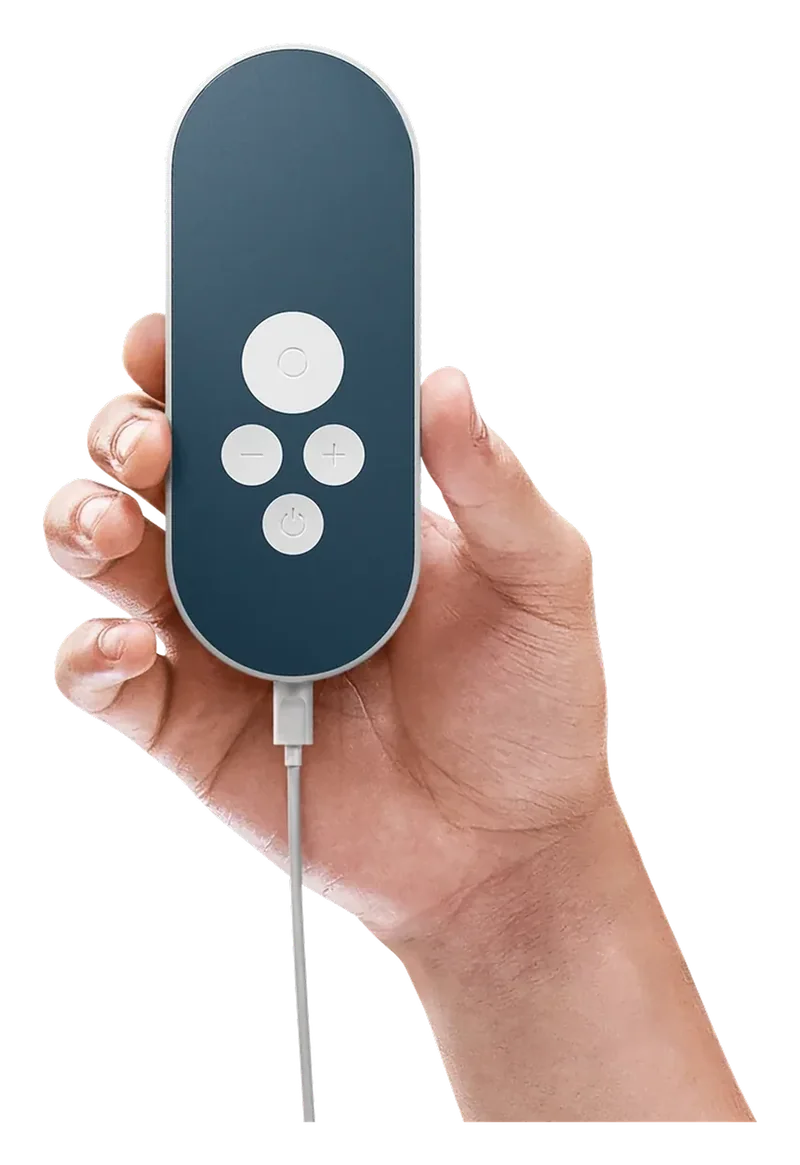 Best ear based optionNuropodAn ear clip for longer daily sessions, with no gel and no app needed.$900Watch out: the most expensive pick here.Read the Nuropod chapter
Before any electrical device (Pulsetto, Hoolest, Truvaga, Nuropod): skip them, or ask your doctor first, if you have a pacemaker or other implant, epilepsy or fainting, a heart rhythm problem, or are pregnant. Read the two minute safety check.
Compare all eightFind your deviceUnderstand the evidence
Prices seen on each brand's US store on 5 Nov 2026, before tax and shipping. Our offers were checked in the cart that day.
Find your stress relief device
Five quick questions. We match device features to your answers and explain why. It is a shopping helper, not a health assessment.
Your two best matches
Try this free first: slow breathing for a few minutes. Trials of breathwork show a small to moderate drop in stress. Start the breathing guide
This matches features to your preferences. It is not medical advice. If worry, low mood or poor sleep has lasted more than a couple of weeks, please talk to a doctor.
How stress relief devices work
Many are sold as nervous system regulation devices, but not every calming gadget is a vagus nerve stimulator. Here is what each type actually does, and where it meets your body.
In short: stress relief technology works in three ways. You feel touch and sound devices, you practise with feedback devices, and electrical devices send a mild current. Only the electrical group is sold as vagus nerve stimulation.
Touch and sound
Vibration or low frequency sound that you feel on your skin. There is no electrical current. Apollo Neuro plays patterns on your wrist or ankle; Sensate 2 rests on your chest.
Feedback
Sensors read a signal from your body, such as brain activity or heart rhythm, and turn it into sound or visuals so you can practise settling it. The device does not stimulate you. Muse is a headband; HeartMath is an ear sensor.
Electrical stimulation
A mild current through the skin, sold as vagus nerve stimulation. Pulsetto and Truvaga sit on the neck, Hoolest below the ear, Nuropod on the ear. Studies of a prescription neck device show it can reach vagal fibres at the settings tested; we found no published proof that these consumer devices do the same.[14]
Is a stress tracker a stress reliever?
No. Watches and rings such as Oura, WHOOP and Garmin estimate stress from heart rate variability (the natural variation in time between heartbeats) or from skin signals. They can help you notice patterns, but they do not intervene, so they are not in this guide.
How we chose and graded these devices
Three kinds of knowledge go into this guide, and we label each one so you always know which you are reading.
What Sama has used
Her notes describe how each device felt to her. They are not lab tests, and older models are always named as older models.
What we researched
Maker pages, manuals, warranty and return policies, the FDA's device databases and peer reviewed studies. On 5 Nov 2026 we added every partner offer to a real store cart, without buying, to check the discount.
Sensate 2, HeartMath Inner Balance, Truvaga Plus and Nuropod are researched picks. Sama has not used them.
What we never claim
- That any device treats anxiety, depression, PTSD or insomnia
- FDA clearance where there is none
- A brand's own statistics as fact
- That one person's experience proves a device works
Every device gets two research grades: one for its technology and one for the exact device. They rate published studies on stress, not whether a device will work for you, and they are not medical endorsements. Awards are for a need, not a rank, and commission plays no part in them.
Touch and sound devices
No current, no gel. You feel vibration on your skin while you get on with your day or lie back.
Apollo Neuro Best for everyday wearable convenience
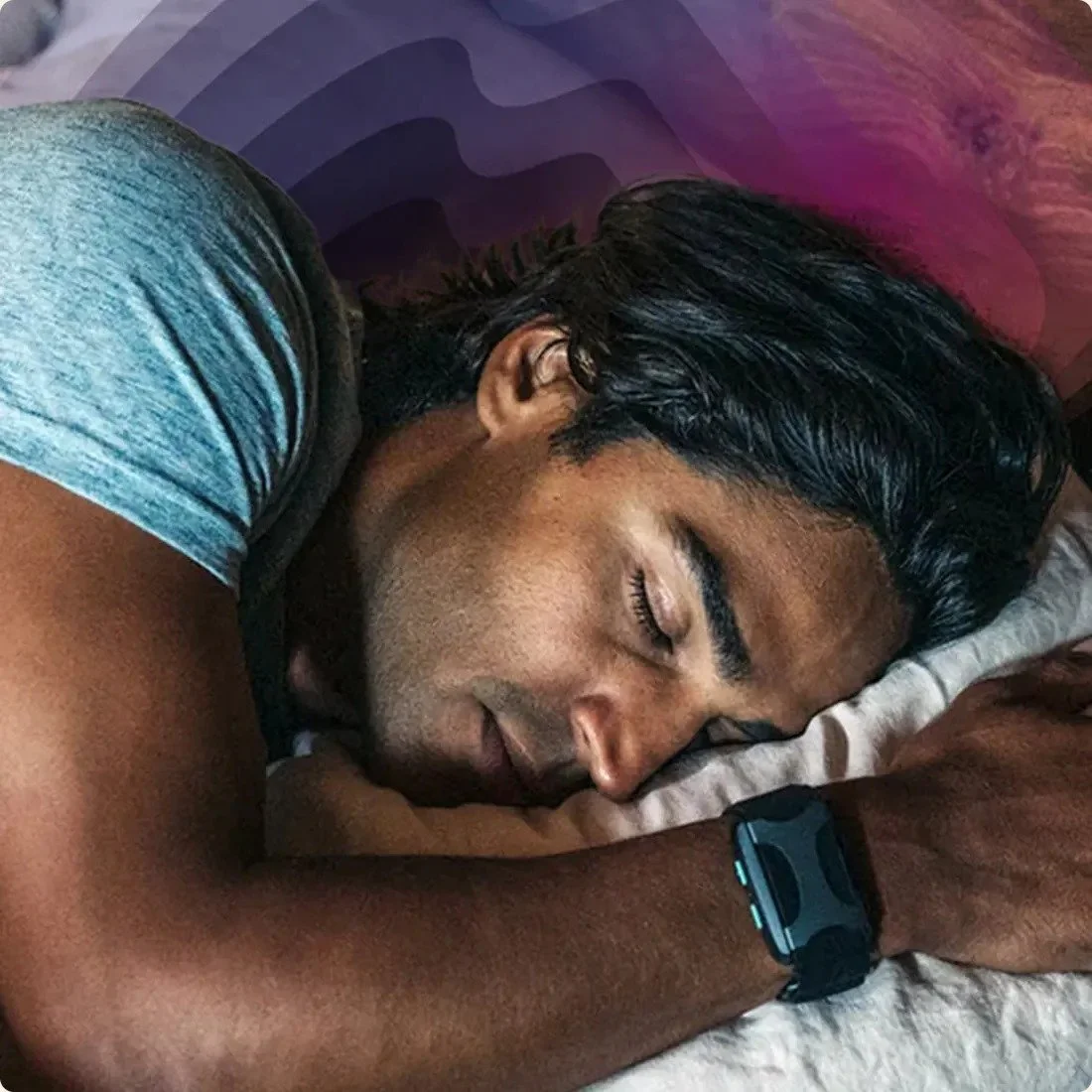
The easiest device here to live with: a silent band that plays calming vibration patterns while you get on with your day.
$448 with year one of SmartVibes$99 off through our link: $349
- How it works
- Plays patterned vibrations you feel on your wrist, ankle or clothing. No current and no gel.
- Best for
- Calm in the background while you walk, work or sleep.
- What makes it different
- The only pick you can wear all day and overnight without holding anything.
- What it costs
- $448 including year one. The membership is required and renews at about $99 a year. With our link, two years cost $448.
- Drawbacks, and who should skip it
- Apollo advises at least 3 hours of wear a day, its research is mostly linked to the company, and it charges by Micro-USB. It contains magnets: Apollo says to keep it 15 cm from medical devices, so ask your doctor first if you have an implant such as a pacemaker.
Research evidence for stressTechnology LimitedApollo itself LimitedWhat the grades mean
More detailsSpecs, pros and cons, two year cost, evidence, returns
Pros
- Nothing to hold, no gel, no current
- Runs without your phone in airplane mode
- Wrist, ankle or clothing clip
Cons
- A membership is required and renews at about $99 a year
- Best results claimed only with hours of daily wear
- Evidence is mostly linked to the company
- Battery
- About 8 hours of continuous use (product page; the help centre says 12 or more)
- Charging
- Micro-USB, about an hour (Apollo setup guide, June 2026)
- App
- Yes; the wearable also runs offline
- Membership
- Required; Apollo says its wearables need a SmartVibes membership for use. Renews about $99 a year; Apollo does not publish what still works if it lapses
- Returns
- 30 days; $10 fee kept; shipping not refunded
- Warranty
- 1 year
- Safety note
- Contains magnets: keep 15 cm from medical devices
- FDA
- Not FDA cleared; no FDA claim made
The two year receipt
Regular prices seen 5 Nov 2026
The evidence in detail
In our cart check on 5 Nov 2026, our link took $448 to $349 with no code. Confirm the saving in your order summary before you pay.
Image: Sensate
Sensate 2 Best for lying down and switching off
Researched, not used by Sama
Press play and lie back: a pebble on your chest hums with low frequency sound you can feel.
$299
- How it works
- Plays low frequency sound you feel as vibration, synced to soundscapes in its app. No current.
- Best for
- Switching off for 10 to 30 minutes, lying down.
- What makes it different
- The longest return window here: 90 days.
- What it costs
- $299; Sensate Plus soundscapes are optional at $49 a year.
- Drawbacks, and who should skip it
- Only a small company pilot so far. Sensate advises against use with a pacemaker or in pregnancy.
Research evidence for stressTechnology LimitedSensate itself Not establishedWhat the grades mean
More detailsSpecs, returns and the study
- Price
- $299 (US store)
- App
- Yes; Sensate Plus $49 a year, optional
- Returns
- 90 days; you pay return shipping
- Warranty
- 12 months
- Session
- 10 to 30 minutes
- FDA
- Not FDA cleared
Sensate’s own pilot followed 25 adults for 2 weeks with no comparison group; users reported feeling less stressed. That is a start, not proof.[12]
Feedback devices
These read your body and coach you. You do the calming; the device shows you how it is going.
Muse S Athena Best for guided meditation and neurofeedback
The best way here to learn meditation with live feedback, if you will set aside a few minutes for a session.
$474.99 · Muse 2 $249.9915% off through our link: $403.75
- How it works
- Reads your brain’s electrical activity through a soft headband and turns it into sound: busier when your mind wanders, calmer as you settle.
- Best for
- Building a seated meditation habit, with sleep tracking as a bonus.
- What makes it different
- It measures and coaches instead of stimulating, and it is the most studied device in this guide.
- What it costs
- $474.99 for the headband; Premium features are optional at $49.99 a year. With our link: $403.75.
- Drawbacks, and who should skip it
- You do the work: it needs the app and dedicated sessions, so reconsider it if you want calm without setting time aside. Muse’s two refund pages disagree on sale items.
Research evidence for stressTechnology ModerateMuse headbands ModerateWhat the grades mean
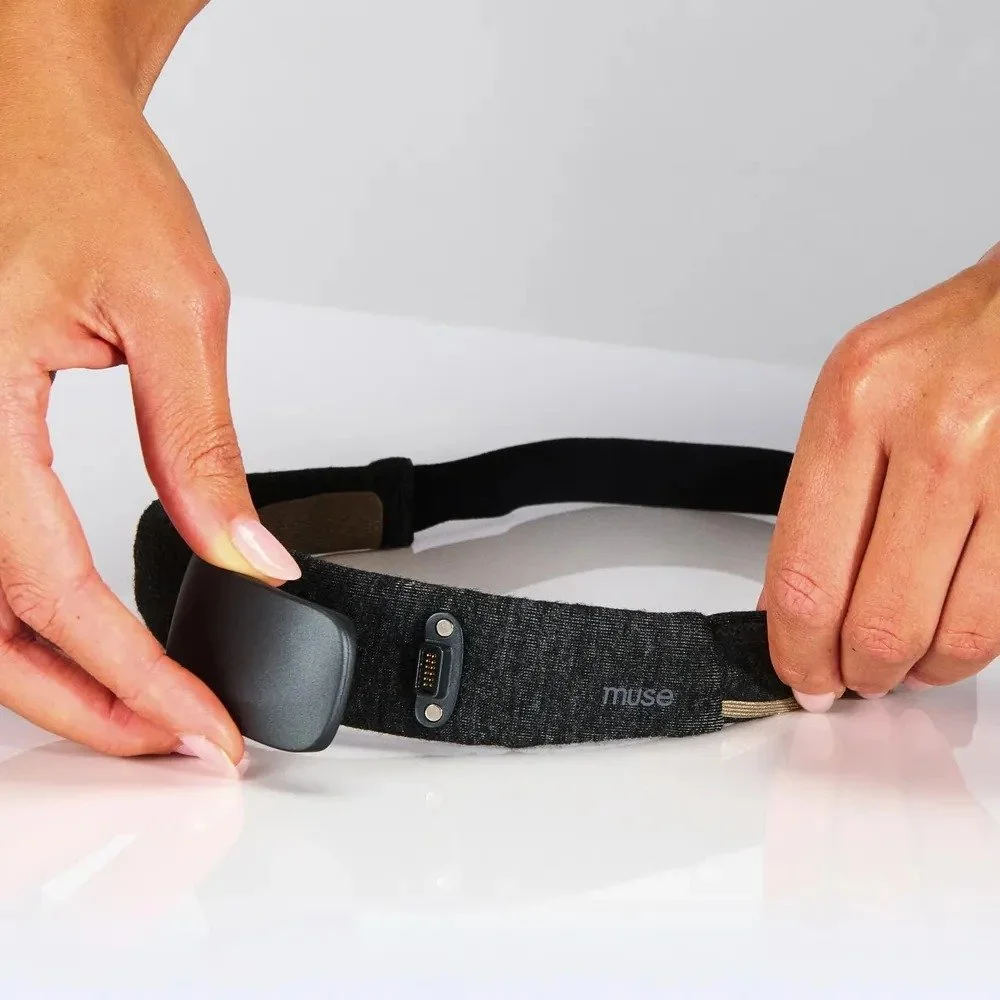
More detailsSpecs, pros and cons, two year cost, evidence, returns
Pros
- The most studied device in this guide
- No stimulation of any kind
- Core meditation and sleep features are free
Cons
- You need to set aside time for sessions
- Premium features cost $49.99 a year
- Muse’s two refund pages disagree on sale items
- Sensors
- EEG (brain signals), fNIRS (forehead blood flow), heart rate and motion
- Battery
- Up to 10 hours; USB-C charging
- App
- Required; core features free
- Premium
- Optional, $49.99 a year
- Returns
- 30 days if used under 20 days; a second policy page excludes sale items
- Warranty
- 1 year
- Session
- You choose; seated or in bed
- FDA
- General wellness product; not FDA cleared
The two year receipt
Regular prices seen 5 Nov 2026
The evidence in detail
In our cart check on 5 Nov 2026, our link applied code SAMA by itself: Muse S Athena $474.99 became $403.75, Muse 2 $249.99 became $212.50, and the Athena and Premium bundle $539 became $458.15. Tax, shipping and any store fees are added at checkout.
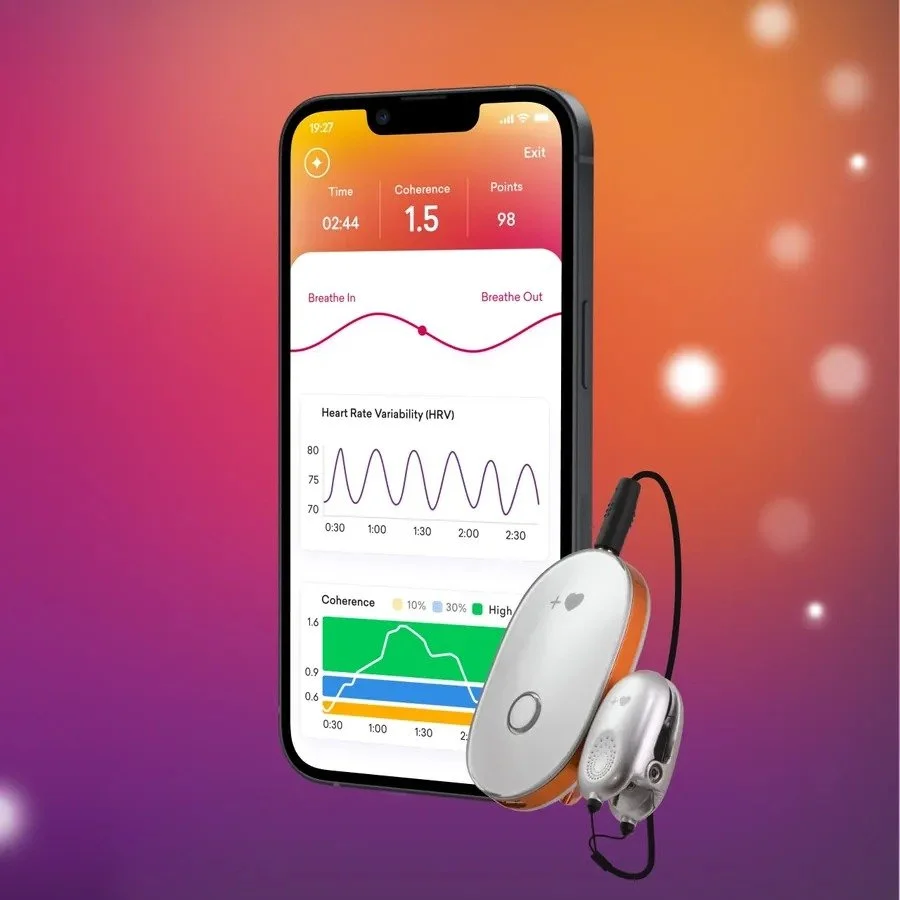
Image: HeartMath
HeartMath Inner Balance Best for building a breathing skill
Researched, not used by Sama
A small ear sensor that turns slow breathing into a skill you can use anywhere.
$249, app included
- How it works
- Reads your heart rhythm from your ear lobe; the app shows it live and paces your breathing. It never stimulates.
- Best for
- Building a breathing practice with feedback.
- What makes it different
- It trains heart rhythm biofeedback, one of the better supported approaches in this guide.
- What it costs
- $249 with the app for life; no subscription.
- Drawbacks, and who should skip it
- It only helps if you practise, so reconsider it if you will not set aside a few minutes regularly. HeartMath’s own study claims could not be checked, so the device itself is not graded.
Research evidence for stressTechnology ModerateHeartMath itself Not gradedWhat the grades mean
More detailsSpecs, returns and the research
- Price
- $249 on HeartMath’s store
- App
- Included for life
- Returns
- 60 day money back guarantee
- Warranty
- 1 year
- Session
- A few minutes
- FDA
- Not FDA cleared
HeartMath’s store cites its own studies without references we could check. Research on heart rate variability biofeedback in general, meaning training with live feedback from the natural variation between heartbeats, is stronger than for any single device here.[2]
A quick safety check
In short: most people tolerate these devices well, but skip them, or ask a doctor first, if any item below applies.
Electrical devices are usually well tolerated, but they are not for everyone. Makers list the same core warnings. Do not use one, and ask your doctor first, if you:
- Have a pacemaker, defibrillator or other implanted electronic device
- Have epilepsy, seizures or a history of fainting
- Are pregnant
- Have a heart rhythm problem or heart disease
- Have carotid artery disease, neck surgery or metal in your neck
- Are under 18
Never
Use one while driving or operating machinery, or on broken or irritated skin.
What people report
Mostly mild and brief: tingling, skin redness, ear or neck discomfort, headache or dizziness. A review of 177 ear stimulation studies found side effects were no more common than with sham stimulation, though many studies did not report them.[6][10]
Not sure?
Answer the safety question in Find your device: it removes every electrical device from your matches.
Electrical stimulation devices
A mild current at the ear or neck, sold as vagus nerve stimulation. None of these is FDA cleared, and the safety check above applies to all four.
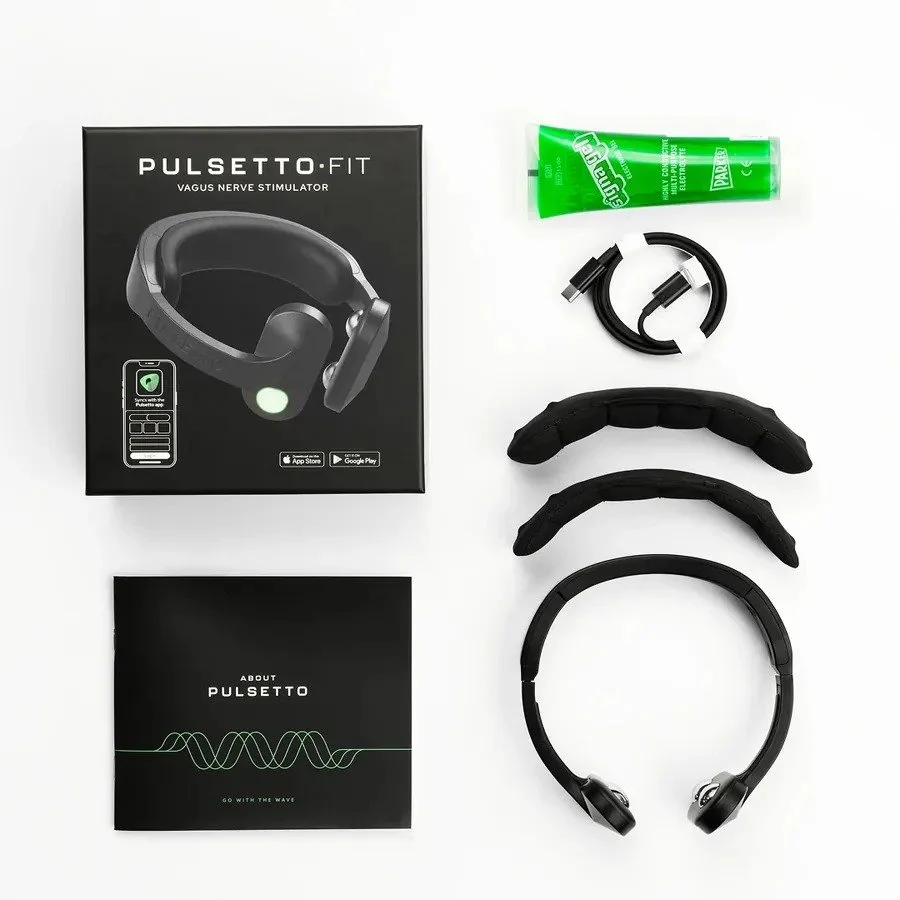
Pulsetto FIT Best for hands free neck stimulation
Hands free electrical stimulation in four minute sessions, guided by a polished app.
$269 · Lite $242 · FIT X $323Our link shows Pulsetto’s current prices
- How it works
- A padded band rests on the back of your neck and sends a mild current through both sides while an app program runs.
- Best for
- Short, dedicated sessions with your hands free.
- What makes it different
- The only neck device here you don’t hold, with up to 10 days of battery on the FIT.
- What it costs
- $269, plus conductive gel for every session: about $180 to $270 over two years. Premium is optional.
- Drawbacks, and who should skip it
- Not for people with a pacemaker or other implant, epilepsy, a heart rhythm problem, or in pregnancy. The app is required. In November 2026 Pulsetto stopped citing its own study while it reviews the study’s ethics approvals.
Research evidence for stressTechnology LimitedPulsetto itself Not establishedWhat the grades meanSafety check
More detailsSpecs, pros and cons, two year cost, evidence, returns
Pros
- Hands free
- Up to 10 days of battery on the FIT
- 2 year warranty
Cons
- Gel needed every session
- The app is required to run it
- Pulsetto stopped citing its own study while it reviews ethics approvals (November 2026)
- Session
- 4 minutes, twice a day; Sleep is 10 minutes
- Battery
- Up to 10 days (FIT)
- App
- Required; 5 programs free
- Premium
- Optional, $45 a quarter
- Gel
- One tube in the box, about a month; Gel Box of four tubes $45, 4 to 6 months
- Returns
- 30 days, without the gel; label $5 to $35
- Warranty
- 2 years
- FDA
- "Not a medical device"; not FDA cleared
The two year receipt
Prices seen 5 Nov 2026
The evidence in detail
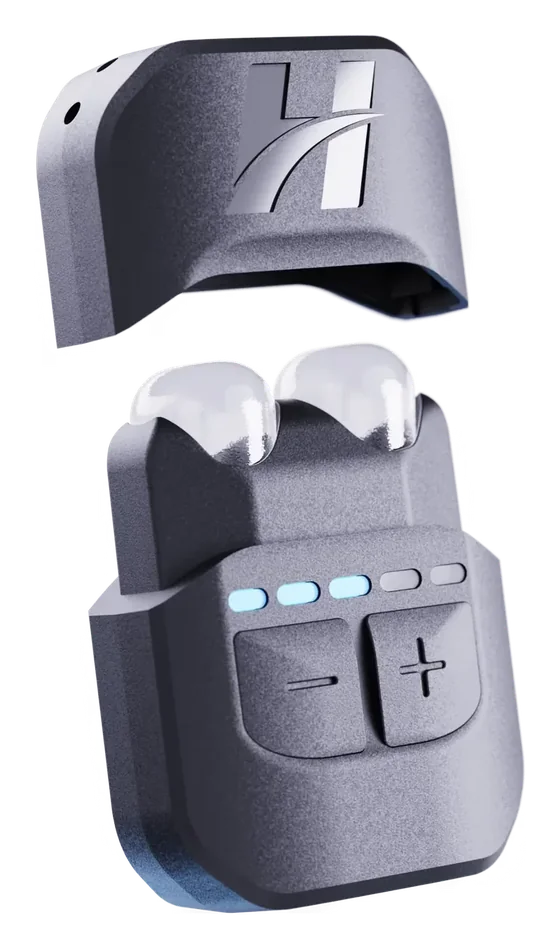
Hoolest Mini Best for portable, intentional relaxation sessions
The simplest electrical option: a keychain size handheld for a few calm minutes, with no app and no phone.
$99 in Hoolest’s saleRegular price $149 (5 Nov 2026). Code SAMA10 gives 10% off eligible orders but cannot be combined with the sale.
- How it works
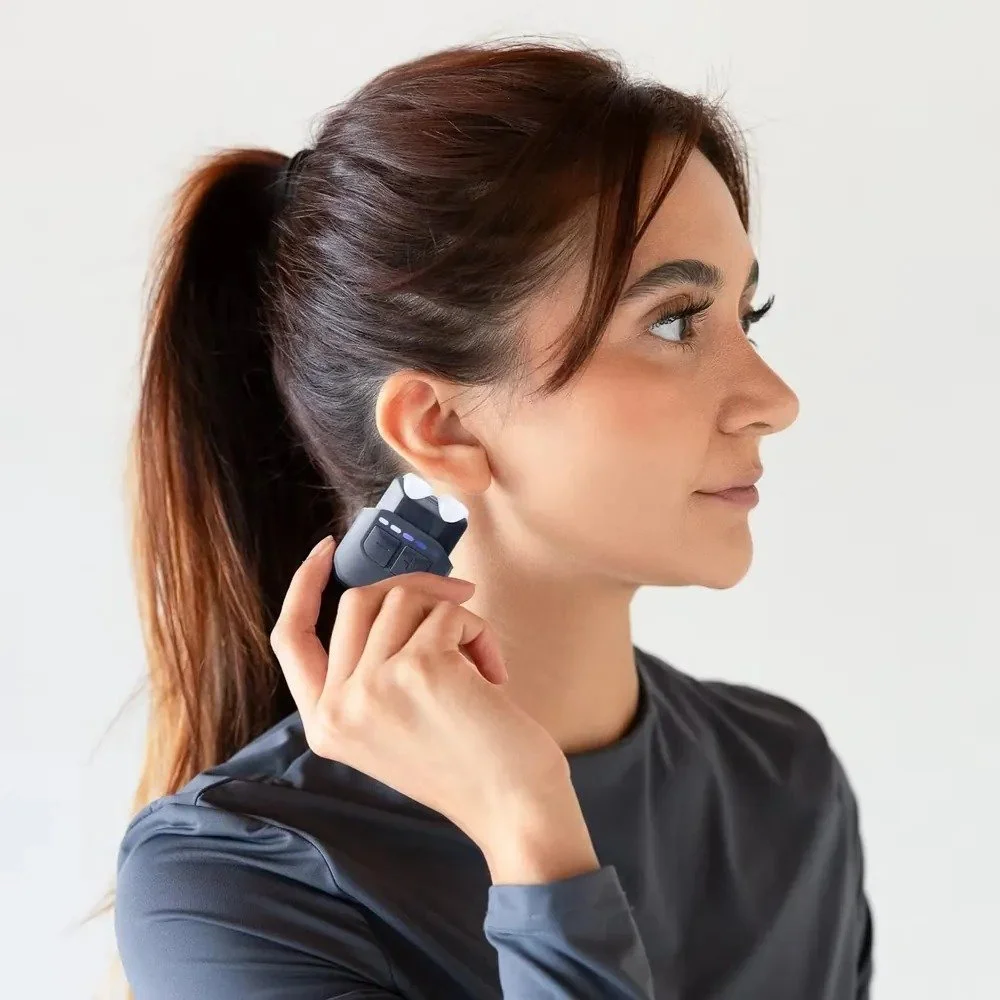
- You hold it below each ear lobe while it sends a mild current through small gel tips.
- Best for
- Short, intentional breaks, such as winding down in the evening.
- What makes it different
- No app, no Bluetooth, and the lowest price of the electrical picks.
- What it costs
- $99 in Hoolest’s current sale ($149 regular), plus gel tips at about $99 a year at Hoolest’s own rate.
- Drawbacks, and who should skip it
- You hold it for every session. Not for people with a pacemaker or other implant, epilepsy, heart rhythm treatment, carotid artery disease, or in pregnancy. Hoolest’s pages state different return terms.
Research evidence for stressTechnology LimitedHoolest itself Not establishedWhat the grades meanSafety check
More detailsSpecs, pros and cons, two year cost, evidence, returns
Pros
- Lowest price of the electrical picks
- No app, no Bluetooth, no phone
- Fits a pocket
Cons
- You hold it the whole session
- Gel tips are an ongoing cost
- Hoolest’s own pages state different return terms
- Session
- Hold at least 30 seconds; Hoolest suggests 30 seconds to 10 minutes per side, shorter at higher intensity
- Battery
- Not stated by Hoolest
- App
- None
- Modes
- One mode, five intensity levels
- Gel tips
- Hoolest’s figures range from 1 to 2 weeks per pair; 12 month supply $99
- Returns
- 30 days, free US return shipping (returns page); other Hoolest pages differ
- Warranty
- 1 year; lifetime with the Calm Plan
- FDA
- "General wellness"; not FDA cleared
The two year receipt
Prices seen 5 Nov 2026
The evidence in detail
Pulsetto vs Hoolest: my real world experience
I use my older Hoolest regularly and tried Pulsetto at a biohacking conference. This is not a controlled head to head test, and my Hoolest is an older VeRelief, not the Mini.
Held in my hand
- Short, intentional sessions
- I notice a calming effect quickly
- I use it most days, often before meditation
Rests around my neck
- Hands free
- I noticed a calming effect right away
- One demonstration; I plan to buy one
The biggest difference for me was Pulsetto's hands free neck design. With my Hoolest, I have to hold it in place. I liked both.
| The featured models | Pulsetto FIT | Hoolest Mini |
|---|---|---|
| Price, 5 Nov 2026 | $269 | $99 in Hoolest's sale; $149 regular |
| Hands free | Yes | No, you hold it |
| App | Required | None |
| What touches the skin | Contact points with conductive gel | Small gel tips |
| Session | About 4 minutes | 30 seconds to 10 minutes per side |
| Battery | Up to 10 days | Not stated |
| Warranty | 2 years | 1 year |
| Two years, required items | $449 to $539 | $297 to $347 |
| Device specific evidence | Not established | Not established |
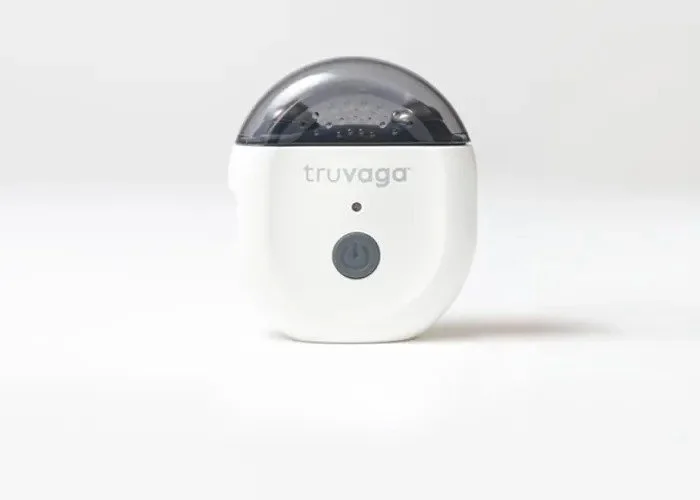
Image: Truvaga
Truvaga Plus Best two minute handheld
Researched, not used by Sama
Two minute handheld neck sessions from the company behind a prescription device.
$499
- How it works
- You press it to the side of your neck while it sends a mild current, controlled from its app.
- Best for
- The shortest electrical sessions here.
- What makes it different
- Its maker, electroCore, also makes the prescription gammaCore; Truvaga itself is a wellness product.
- What it costs
- $499 plus electrode solution; a bottle lasts about 2 months.
- Drawbacks, and who should skip it
- Not FDA cleared, and it does not share gammaCore’s status. The app is needed every session. The electrical safety check applies.
Research evidence for stressTechnology LimitedTruvaga itself Not establishedWhat the grades meanSafety check
More detailsSpecs, returns and the research
- Price
- $499 (Truvaga 350, $325)
- Solution
- Electrode solution; a bottle lasts about 2 months
- App
- Required for every session
- Returns
- 30 days, first order; you pay shipping
- Warranty
- Covers out of box failures; no term stated
- FDA
- Not FDA cleared
The neck stimulation studies we cite used the prescription gammaCore. We found no published trial of Truvaga itself.
Image: Nuropod
Nuropod Best ear based option
Researched, not used by Sama
An ear clip stimulator for longer, seated daily sessions, with no gel and no app needed.
$900
- How it works
- A clip on the small flap in front of your ear canal sends a mild current to a skin branch of the vagus nerve.
- Best for
- A daily seated routine of 30 to 60 minutes.
- What makes it different
- Ear stimulation has been widely studied in research settings, and this exact device has been used in a university trial.
- What it costs
- $900; a spare earpiece is $50 when it wears out.
- Drawbacks, and who should skip it
- The most expensive pick, and its trial was for a heart rhythm condition, not stress. The electrical safety check applies.
Research evidence for stressTechnology LimitedNuropod itself LimitedWhat the grades meanSafety check
More detailsSpecs, returns and the research
- Price
- $900; spare earpiece $50
- Session
- 30 to 60 minutes a day; start shorter if sensitive
- Battery
- Parasym states a week in one help article and a month in another
- Returns
- 30 days (the product page says 37 from order)
- Warranty
- 24 months; earpiece 6 months
- FDA
- Not FDA cleared
The same device, sold as Parasym, was used in a sham controlled university trial for an irregular heart rhythm, not stress.[11] For stress, ear stimulation results are early and mixed.
Compare any two
Pick two devices. Everything that matters before you buy, in one view.
Two year cost counts what you need to use the device at its regular price; optional extras are in each chapter. Prices seen 5 Nov 2026.
What they really cost over two years
Memberships, gel and tips add up. Solid bars are what you need to use each device; hatched bars are optional extras.
Our estimates from list prices on 5 Nov 2026, before tax and shipping. Hoolest Mini uses its $149 regular price; Hoolest's sale makes it $297. Truvaga's electrode solution is extra and not costed here: its shop lists a six pack of Signaspray electrode solution at $45 (5 Nov 2026).
What the science says, and what it doesn't
The strongest evidence on this page is for the cheapest idea: slow breathing. For the devices, it ranges from small trials to none at all.
In short: slow breathing and heart rhythm biofeedback have the most support; the devices range from small trials to none at all. A grade rates research, not whether a device will work for you.
Slow breathing
A 2023 review of 12 randomised trials with 785 adults linked breathing practices to a small to moderate drop in reported stress; the authors called the evidence moderate in quality.[1]
Heart rhythm biofeedback
A 2017 review of 24 studies with 484 people linked heart rate variability biofeedback to a large drop in reported stress and anxiety, and asked for better controlled trials.[2]
Brain signal feedback
Across 16 randomised trials, most of them with Muse, distress fell slightly more than with ordinary meditation apps, with no gain in mindfulness. The authors say claims of deeper meditation are not supported.[4]
Ear and neck stimulation
A 2021 analysis of 16 studies that compared real ear stimulation with a fake (sham) version found that a single session does not change heart rate variability.[7] A small 2025 trial saw less anxiety and stress in only one of its two phases.[13] The prescription gammaCore lowered heart rate in a lab stress test by about 6 percent, and its authors cautioned this does not show people felt less stressed.[8]
Are any of these devices FDA cleared?
No. None of the eight devices in this guide is FDA cleared, authorized or approved. They are sold as general wellness products, and FDA’s wellness policy covers claims about relaxation and managing stress, not treating anxiety.[19] FDA has cleared a few prescription devices for anxiety, such as Alpha-Stim AID and Modius Stress, and authorized the prescription neck device gammaCore for headaches. Surgically implanted vagus nerve stimulation has been approved for epilepsy since 1997 and for treatment resistant depression since 2005.[20]
Stress, or an anxiety disorder?
A device can be a pleasant part of a wind down routine. It is not a substitute for care. Please talk to a doctor or a licensed mental health professional if worry, low mood or poor sleep has lasted more than a couple of weeks, gets in the way of work or relationships, or comes with panic attacks. Anxiety disorders, depression, PTSD and insomnia have treatments with strong evidence behind them. If you ever think about harming yourself, call or text 988 in the US, or your local emergency number.
Try this free first
Slow, steady breathing is one of the best studied ideas on this page, and it costs nothing. Try about six breaths a minute, five seconds in and five seconds out, for at least five minutes a day. Reviews link regular slow breathing to lower stress.[1][17][21] To be fair to the evidence, one large trial found this pace worked no better than a comparison pace, and both groups improved.[16]
Press start and follow the circle: breathe in as it grows, out as it shrinks. Stop if you feel light headed, and keep it gentle if you are pregnant or have a heart or lung condition.
Ready when you are
Reader savings
We checked each offer in a real store cart on 5 Nov 2026, without buying. Offers can change, so check the final price in your cart before you pay. They do not stack with other codes unless the store says so.
Muse
15% offApollo Neuro
$99 offHoolest
10% offPulsetto
Link onlyThese are paid links: we earn a commission if you buy through them, at no extra cost to you.
How to choose a stress relief device
Four questions that matter more than any spec sheet.
When will you actually use it?
Pick the device that fits a moment you already have: on the move, a few minutes on the sofa, a seated session, or lying down at night.
How do you feel about a tingle?
Electrical devices create a tingle or buzz at the ear or neck. If that sounds unpleasant, or any safety item applies to you, start with touch, sound or feedback devices.
Will you accept an app or a subscription?
Apollo requires a membership after year one, Pulsetto and Truvaga need their apps, and Hoolest needs no phone at all. Count these before you buy.
What will it cost in two years, and can you return it?
Look at the two year cost, not the sticker, and read the return terms: fees and windows vary from 30 to 90 days. Slow breathing is free, so try it first.
Frequently asked questions
Do stress relief devices actually work?
Some technologies have encouraging research, especially slow breathing and heart rhythm biofeedback. For most commercial devices, the evidence is small, early or run by the company. Many people, Sama included, find some devices calming, but that is personal experience, not proof that a device will work for you.
Is Apollo Neuro a vagus nerve stimulator?
No. Apollo plays gentle vibration patterns on your skin. It does not send an electrical current to a nerve, so we group it with touch and sound devices.
Are there FDA approved vagus nerve stimulators?
Implanted vagus nerve stimulation, which needs surgery, is FDA approved for epilepsy (1997), treatment resistant depression (2005) and, with the Vivistim implant, arm rehabilitation after stroke (2021). The prescription neck device gammaCore is FDA authorized for migraine and cluster headache. None of the consumer stress devices in this guide is FDA cleared.[20]
Pulsetto or Hoolest: which is better?
They suit different habits. Pulsetto is hands free around your neck and runs from an app; Hoolest's Mini is a pocket handheld with no app and a lower price. Sama uses an older Hoolest most days and loved trying Pulsetto's hands free design at a conference. Neither has a published trial of its own. See Pulsetto vs Hoolest.
Apollo Neuro or Muse: which helps more with stress?
They do different jobs. Apollo works in the background while you go about your day; Muse coaches you through a seated meditation. Sama wears her Apollo daily and uses her first generation Muse when she sets time aside. Muse has more independent trials, with small effects.
Do these devices need a subscription?
Apollo requires a SmartVibes membership, about $99 a year after year one. Muse, Pulsetto and Sensate offer optional paid tiers. Hoolest sells optional gel tip plans. HeartMath includes its app.
Who should not use a vagus nerve stimulator?
Anyone with a pacemaker or other implanted electronic device, epilepsy or a history of fainting, pregnancy, a heart rhythm problem, carotid artery disease, neck surgery or metal in the neck, and anyone under 18, unless a doctor says otherwise. See the safety check.
Can I calm my nervous system without a device?
Yes. Slow breathing is free and has better evidence than any device here. Try the breathing guide.
Has Sama tested every device on this page?
No. Sama has used our four partner brands: she owns two original Apollo wearables, an older Hoolest VeRelief and a first generation Muse, and she tried Pulsetto at a conference. The other four picks are researched, not used. None of this is lab testing.
Keep exploring
Sources
All 21 sourcesStudies, regulatory records and brand documents
- Fincham GW, Strauss C, Montero-Marin J, Cavanagh K. Effect of breathwork on stress and mental health: a meta-analysis of randomised controlled trials. Scientific Reports. 2023;13:432. doi.org/10.1038/s41598-022-27247-y
- Goessl VC, Curtiss JE, Hofmann SG. The effect of heart rate variability biofeedback training on stress and anxiety: a meta-analysis. Psychological Medicine. 2017;47(15):2578 to 2586. doi.org/10.1017/S0033291717001003
- Mandala M, Krishnan S, Weathington N, Breus M, Rabin D. Retrospective analysis of Apollo wearable use and Oura sleep data. JMIR mHealth and uHealth. 2026. Coauthored by Apollo staff. doi.org/10.2196/79588
- Treves I, Bajwa Z, Greene KD, et al. Consumer grade neurofeedback with mindfulness meditation: meta-analysis. Journal of Medical Internet Research. 2025;27:e68204. doi.org/10.2196/68204
- Krigolson OE, Williams CC, Norton A, Hassall CD, Colino FL. Choosing MUSE: validation of a low cost, portable EEG system for ERP research. Frontiers in Neuroscience. 2017;11:109. doi.org/10.3389/fnins.2017.00109
- Kim AY, Marduy A, de Melo PS, et al. Safety of transcutaneous auricular vagus nerve stimulation (taVNS): a systematic review and meta-analysis. Scientific Reports. 2022;12:22055. doi.org/10.1038/s41598-022-25864-1
- Wolf V, Kühnel A, Teckentrup V, Koenig J, Kroemer NB. Does transcutaneous auricular vagus nerve stimulation affect vagally mediated heart rate variability? A living and interactive Bayesian meta-analysis. Psychophysiology. 2021;58(11):e13933. doi.org/10.1111/psyp.13933
- Gurel NZ, Wittbrodt MT, Jung H, et al. Transcutaneous cervical vagal nerve stimulation reduces sympathetic responses to stress in posttraumatic stress disorder. Neurobiology of Stress. 2020;13:100264. doi.org/10.1016/j.ynstr.2020.100264
- ClinicalTrials.gov NCT07274332, a sham controlled trial of the Pulsetto FIT (not yet recruiting when checked). Pulsetto science page, checked 4 and 5 Nov 2026. clinicaltrials.gov/study/NCT07274332
- Redgrave J, Day D, Leung H, et al. Safety and tolerability of transcutaneous vagus nerve stimulation in humans: a systematic review. Brain Stimulation. 2018;11(6):1225 to 1238. doi.org/10.1016/j.brs.2018.08.010
- Stavrakis S, Stoner JA, Humphrey MB, et al. TREAT AF: transcutaneous electrical vagus nerve stimulation to suppress atrial fibrillation. JACC Clinical Electrophysiology. 2020;6(3):282 to 291. doi.org/10.1016/j.jacep.2019.11.008
- Sensate. Company pilot study report (25 adults, 14 days, no control group). cdn.shopify.com/s/files/1/1715/1973/files/sensate_maastricht_report.pdf
- Jackowska M, Koenig J, Cibulcova V, Jandackova VK. Transcutaneous auricular vagus nerve stimulation for 14 days in community adults: a randomised, sham controlled trial. Biological Psychology. 2025;202:109169. doi.org/10.1016/j.biopsycho.2025.109169
- Nonis R, D’Ostilio K, Schoenen J, Magis D. Evidence of activation of vagal afferents by non invasive vagus nerve stimulation: an electrophysiological study in healthy volunteers. Cephalalgia. 2017;37(13):1285 to 1293. doi.org/10.1177/0333102417717470
- Balban MY, Neri E, Kogon MM, et al. Brief structured respiration practices enhance mood and reduce physiological arousal. Cell Reports Medicine. 2023;4(1):100895. doi.org/10.1016/j.xcrm.2022.100895
- Fincham GW, Strauss C, Cavanagh K. Effect of coherent breathing on mental health and wellbeing: a randomised placebo controlled trial. Scientific Reports. 2023. doi.org/10.1038/s41598-023-49279-8
- Lehrer PM, Gevirtz R. Heart rate variability biofeedback: how and why does it work? Frontiers in Psychology. 2014;5:756. doi.org/10.3389/fpsyg.2014.00756
- Shekelle PG, Cook IA, Miake-Lye IM, et al. Benefits and harms of cranial electrical stimulation for chronic painful conditions, depression, anxiety, and insomnia: a systematic review. Annals of Internal Medicine. 2018;168(6):414 to 421. doi.org/10.7326/M17-1970
- US Food and Drug Administration. General Wellness: Policy for Low Risk Devices. Guidance, January 2026. www.fda.gov/media/90652/download
- US Food and Drug Administration device records: PMA P970003 (VNS Therapy, 1997; depression supplement 2005), PMA P210007 (Vivistim, 2021), De Novo DEN150048 (gammaCore, 2017), 510(k) K903014 (Alpha-Stim) and K232253 (Modius Stress). www.accessdata.fda.gov/scripts/cdrh/cfdocs/cfpma/pma.cfm?id=P970003
- Laborde S, Allen MS, Borges U, et al. Effects of voluntary slow breathing on heart rate and heart rate variability: a systematic review and a meta-analysis. Neuroscience and Biobehavioral Reviews. 2022;138:104711. doi.org/10.1016/j.neubiorev.2022.104711
Updated 5 Nov 2026. Prices, offers and policies were checked on the brands' US sites that day. Sama's notes are her personal experience with the models named. This guide is for general information and is not medical advice.