

How Urolithin A Is Studied in Relation to Mitophagy (Explained Simply)
Timeline Nutrition · Mitophagy
How Urolithin A Is Studied in Relation to Mitophagy
Mitophagy is the process your cells use to recognize, recycle, and replace damaged mitochondria. Here's what that process actually involves, and how urolithin A fits into the research.
- Mitophagy is a selective form of autophagy that targets damaged mitochondria for recognition, enclosure, and recycling.
- Urolithin A has been studied for its relationship to this pathway, not as something that directly "activates" mitochondria, but as a compound that interacts with regulatory signaling involved in turnover.
- A randomized trial in middle aged adults reported roughly 12% improvements in muscle strength after supplementation, alongside endurance and mitochondrial biomarker changes.
- Most human research to date focuses on muscle related endpoints in middle aged and older adults, not disease treatment.
Mitophagy is a cellular process involved in the recycling of damaged mitochondria. Researchers have studied urolithin A, a metabolite derived from compounds found in certain fruits, for its relationship to this pathway. Interest in urolithin A has grown as scientists explore how mitochondrial quality control mechanisms relate to cellular function and aging biology.
If you're new to this molecule, I explain its origins and broader research context in What Is Urolithin A, and I break down Mitopure's formulation and clinical research in my full Mitopure Review.
Where it comes from
Understanding Urolithin A and Its Origins
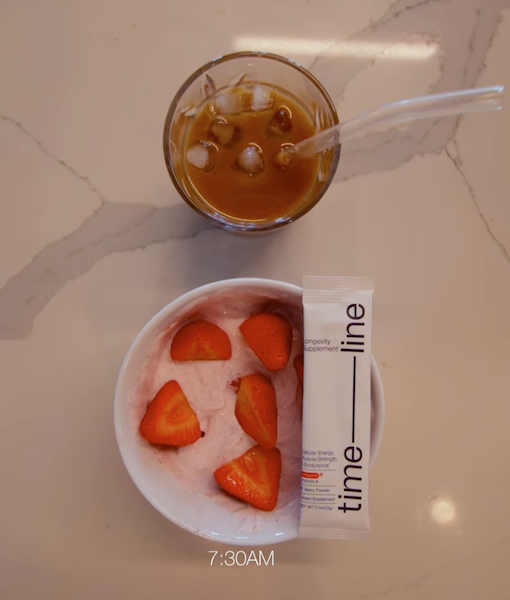
Urolithin A is a metabolite formed when certain gut bacteria convert ellagitannins, compounds found in foods such as pomegranates, into downstream molecules through a multi step process. Not everyone produces urolithin A at the same levels, since conversion depends on individual gut microbiome composition.
Working Around Variable Gut Conversion
The reasoning
- Because of this variability, supplemental forms of urolithin A were developed to provide standardized intake independent of gut conversion capacity
- Mitopure is a branded formulation designed to deliver urolithin A directly, rather than relying on how efficiently your gut converts it
Worth noting: in my case, due to longstanding gut and autoimmune related challenges, I'm mindful of how nutrient absorption and microbial variability may influence endogenous conversion. That's part of why standardized supplementation is relevant for me to explore personally.
The actual mechanism
The Mitophagy Process and Mitochondrial Turnover
Mitophagy is a selective form of autophagy that targets damaged or dysfunctional mitochondria for degradation, part of the broader cellular quality control system that regulates mitochondrial turnover.
Recognition
Cells identify mitochondria that are no longer functioning optimally.
Protein recruitment
Autophagy related proteins are recruited to the damaged organelle.
Autophagosome formation
The damaged mitochondria is enclosed within a membrane structure called an autophagosome.
Lysosome fusion
The autophagosome fuses with a lysosome, where breakdown occurs.
Degradation and recycling
Mitochondrial components are broken down and recycled, making room for efficient new mitochondria.
One way to think about it: imagine cells as small, self contained cities. Mitochondria function somewhat like power plants, generating the energy needed for cellular processes. Mitophagy acts as the city's maintenance system, identifying older or dysfunctional power plants, enclosing them, and recycling their components to maintain balance. For the lifestyle side of supporting this system, see the complete guide to mitochondria hacks.
No code needed, your discount is already built in
Save 20% on Mitopure
Timeline Nutrition retired discount codes, shop through this link and 20% off applies automatically at checkout.
What the trials found
Clinical Trials and Reported Outcomes
Human clinical studies have evaluated urolithin A supplementation in middle aged and older adults under randomized, placebo controlled conditions, examining muscle endurance, strength measures, and mitochondrial related biomarkers.
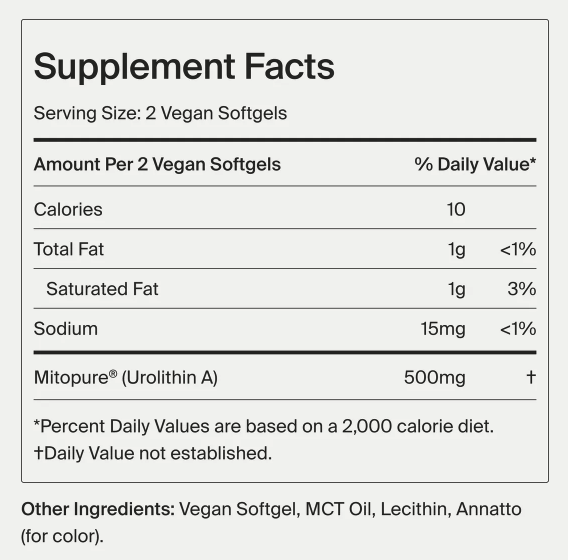
500mg Per Serving, the Dose Most Studies Use
What's on the label
- 500mg Mitopure (Urolithin A) per 2 vegan softgels
- Other ingredients: vegan softgel, MCT oil, lecithin, annatto for color
- Human trials have evaluated doses commonly ranging from 500 to 1000mg per day
A randomized, placebo controlled trial in middle aged adults reported measurable improvements in muscle strength, exercise performance, and biomarkers of mitochondrial health: NCBI, PMC9133463
Worth noting: some studies have reported differences in endurance or performance measures compared to placebo depending on study design, dosage, and participant characteristics. Reported side effects have generally been described as mild.
The headline numbers
Clinically Studied Results
These figures come from Timeline Nutrition's published gold standard clinical trial data on Mitopure.
Curious how the science translates to a real product?
Shop Mitopure, 20% Off Applied at Checkout
No code to remember, just shop through this link and the discount is already applied.
Quality and transparency
Molecular Pathways and Manufacturing Standards
At the molecular level, urolithin A has been investigated for its interaction with pathways associated with mitochondrial quality control and cellular energy regulation.
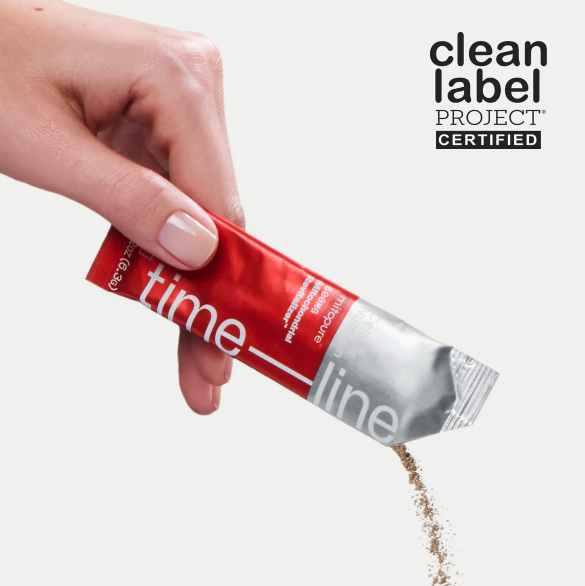
Clean Label Project Certified
What's been verified
- Preclinical studies have examined changes in gene expression and regulatory pathways linked to mitochondrial biogenesis
- Urolithin A has received GRAS status for use in dietary supplements under specified conditions
- Mitopure is Clean Label Project Certified, a third party standard for contaminant testing and label accuracy
Urolithin A has been shown to activate mitophagy and improve muscle function across species in multiple experimental and clinical studies: NCBI, PMC10791945
Worth noting: translation from molecular mechanism to clinical outcome depends on context, dosage, and population. As with all emerging longevity compounds, continued research is needed to clarify long term effects.
Quick answers
Frequently Asked Questions About Urolithin A and Mitophagy
Is Mitopure safe?
How is urolithin A related to mitophagy?
When should urolithin A be taken?
What dosage has been studied in clinical trials?
Is urolithin A used to treat diseases?
Does Timeline Nutrition still offer a discount code?
Conclusion
Mitophagy is an important cellular process involved in mitochondrial quality control and turnover. Research into urolithin A has contributed to scientific interest in how this pathway functions and how it may relate to mitochondrial biology. While human studies have primarily examined muscle related endpoints and mitochondrial associated biomarkers, ongoing research continues to explore broader physiological contexts. Understanding the mechanism behind mitophagy provides useful context for evaluating supplements such as Mitopure and for following future developments in mitochondrial research.
Go deeper
Explore Timeline Nutrition
Mitopure Review: Timeline Nutrition's Urolithin A Supplement
Read the review →What Is Urolithin A?
Read the guide →The Complete Guide to Mitochondria Hacks
Read the guide →Keep reading
You May Also Like
For educational purposes only. Nothing here is medical advice, consult a qualified professional before making changes to your diet or supplement routine. As an affiliate, samā·says may earn a commission on qualifying purchases made through links in this post.