
The Sleep Masterclass
Sleep Masterclass · Biohacking
The Sleep Masterclass
Good sleep is a skill. Here's every tool in my nighttime toolbox, what's genuinely research backed, and what's more promising than proven.
- Consistency, darkness, temperature, and limiting evening screen time are the highest leverage, lowest cost changes you can make.
- Blue light blocking glasses have real meta-analysis support for improving sleep outcomes, this isn't just a biohacker trend.
- Grounding is genuinely interesting, but the human evidence is still small pilot studies, not large clinical trials, I'll flag that honestly below.
- Products and supplements can help around the edges, but none of them replace the fundamentals: schedule, darkness, and temperature.
Biohacking is about making small, measurable changes to reach a better baseline, and sleep is where I've seen this pay off the most directly. Below is everything I actually use and recommend, organized by what actually moves the needle, with real research where it exists and honest caveats where it doesn't.
Foundation #1
A Consistent Sleep Schedule
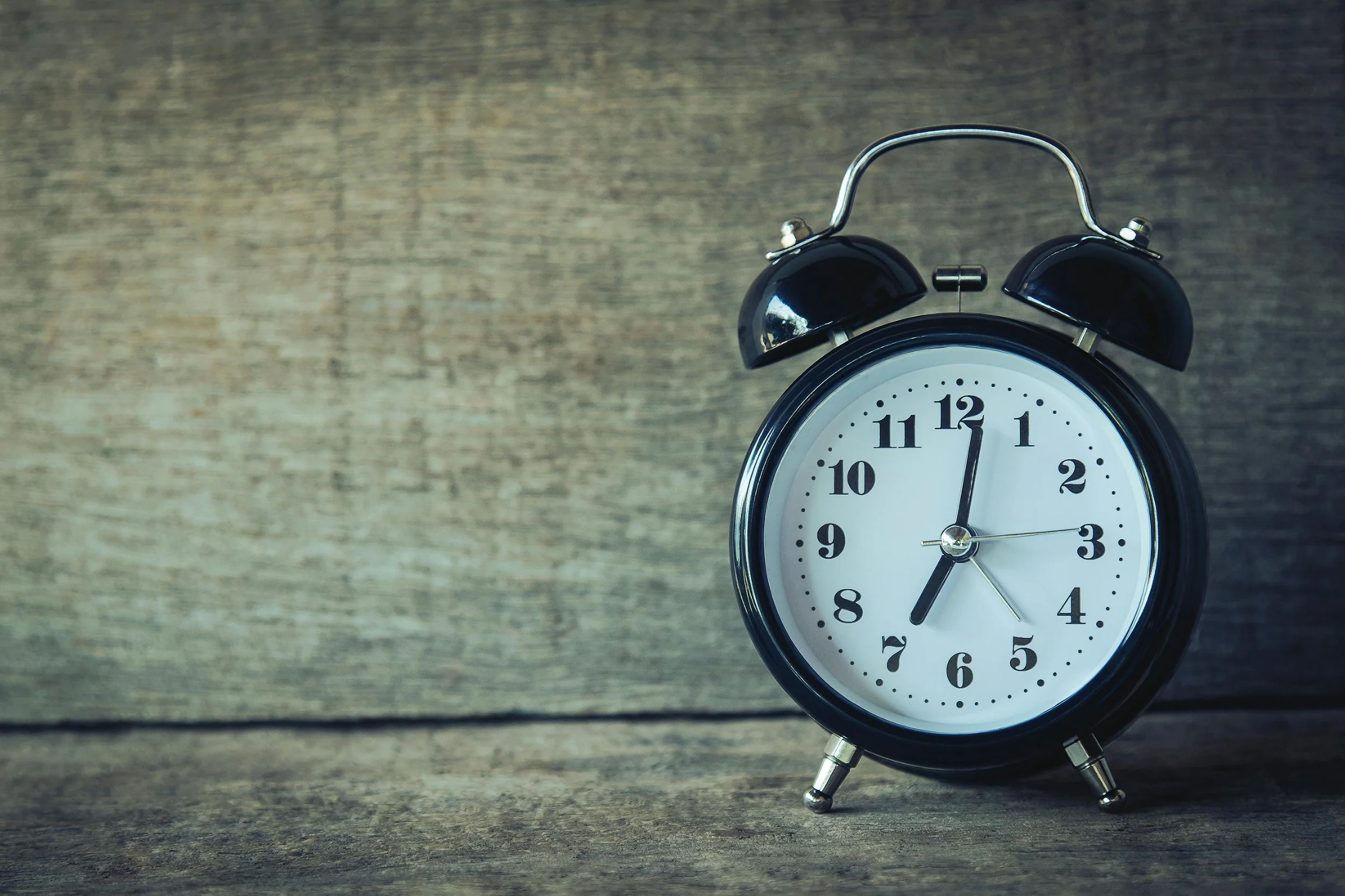
Go To Bed and Wake Up at the Same Time
Regulating your circadian rhythm starts with consistency. Going to bed and waking up at the same time every day, weekends included, syncs your body's internal clock with your actual sleep and wake cycle, which is the foundation everything else in this guide builds on.
Foundation #2
Limit Screen Time Before Bed
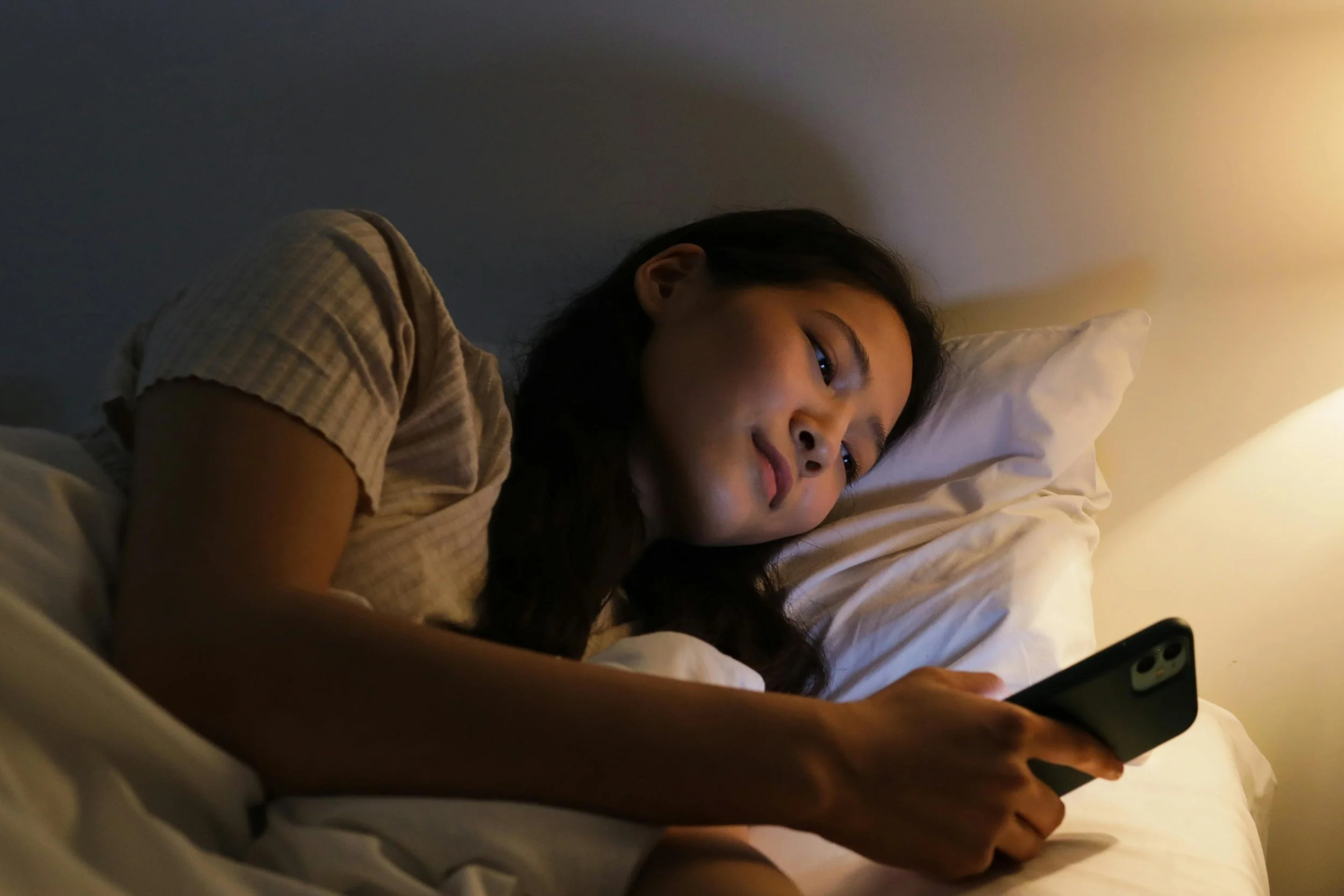
Blue Light Delays Melatonin
Avoid phones, tablets, computers, and TVs for at least an hour before bed. Blue light in the 460 to 480nm range suppresses melatonin, delays your circadian phase, and prolongs how long it takes to fall asleep, this is one of the more well established mechanisms in sleep science, not just a wellness talking point.
Blue light and melatonin suppression: NCBI, PMC12668929.
The tool for this
Blue Light Blocking Glasses
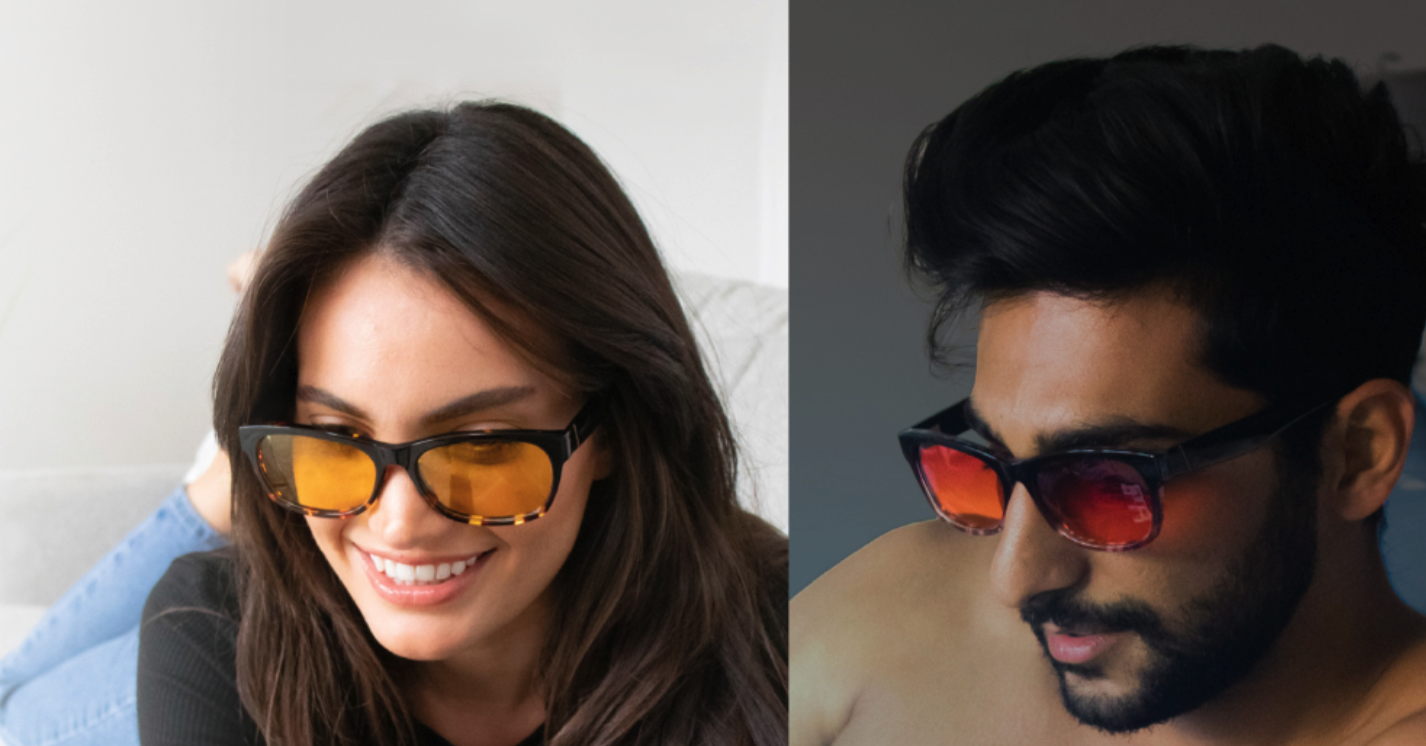
These Are My Go To Blue Light Blockers
A systematic review and meta-analysis of randomized controlled crossover trials found real benefit for blue light blocking glasses on actigraphic sleep outcomes, this is genuinely evidence backed, not just placebo. TrueDark is the brand I actually wear in the evening.
Get it: Shop TrueDark glasses →
Interesting, not proven
Grounding Techniques
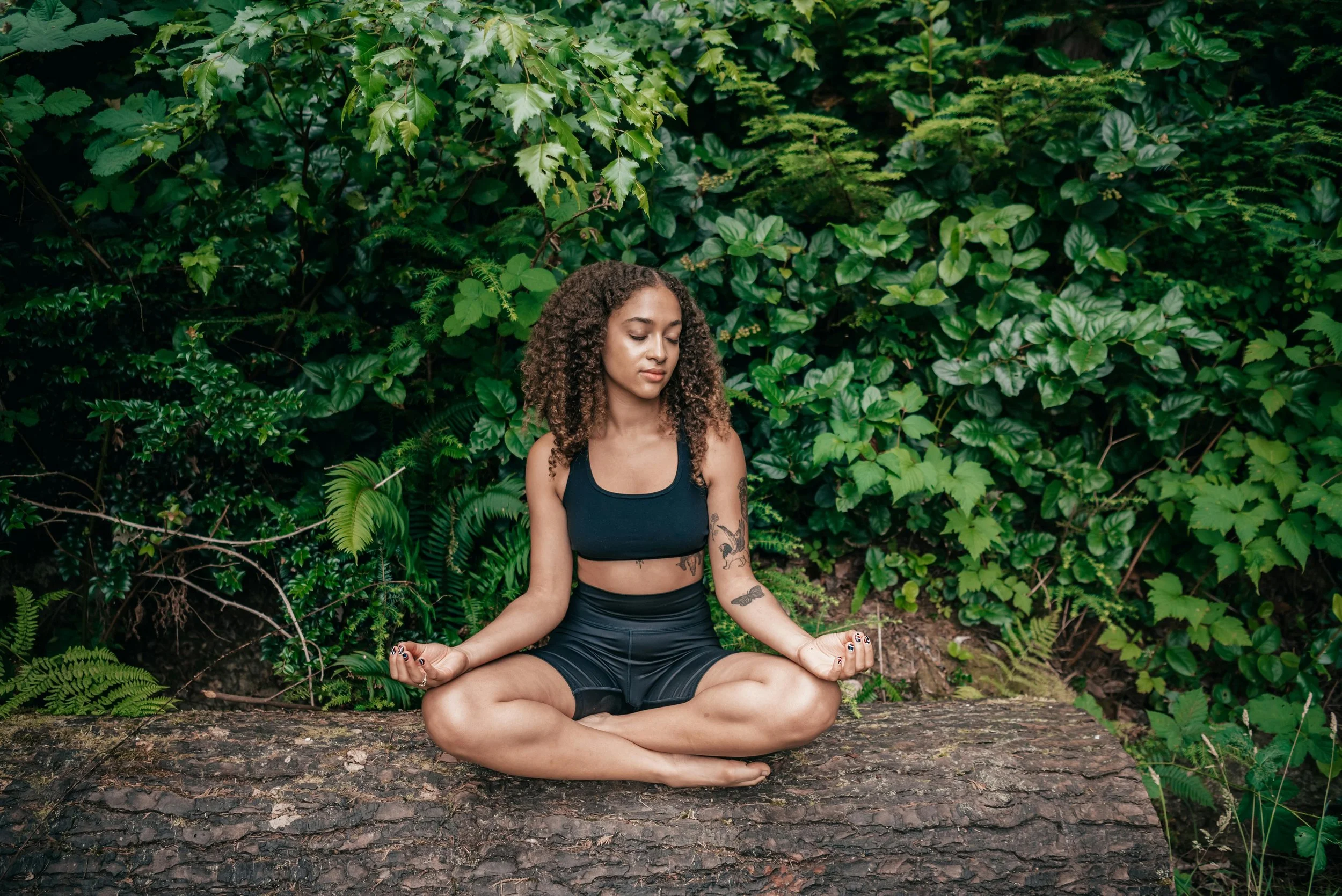
Promising, But the Evidence Is Still Early
Grounding, or earthing, involves direct skin contact with the earth's surface, theoretically harnessing free electrons to reduce inflammation and promote relaxation. I want to be honest here: while some small pilot studies and animal research show reduced nighttime cortisol and improved sleep duration, the human evidence base is still preliminary, not large scale clinical trials. Treat this as a genuinely interesting, low cost practice rather than a proven intervention.
Grounding and sleep, early evidence: NCBI, PMC8954071.
Lifestyle before pharmaceuticals
Natural Sleep Aids
Address lifestyle factors first, but these are gentler alternatives worth knowing about.


Your sleep sanctuary
Creating the Ideal Sleep Environment
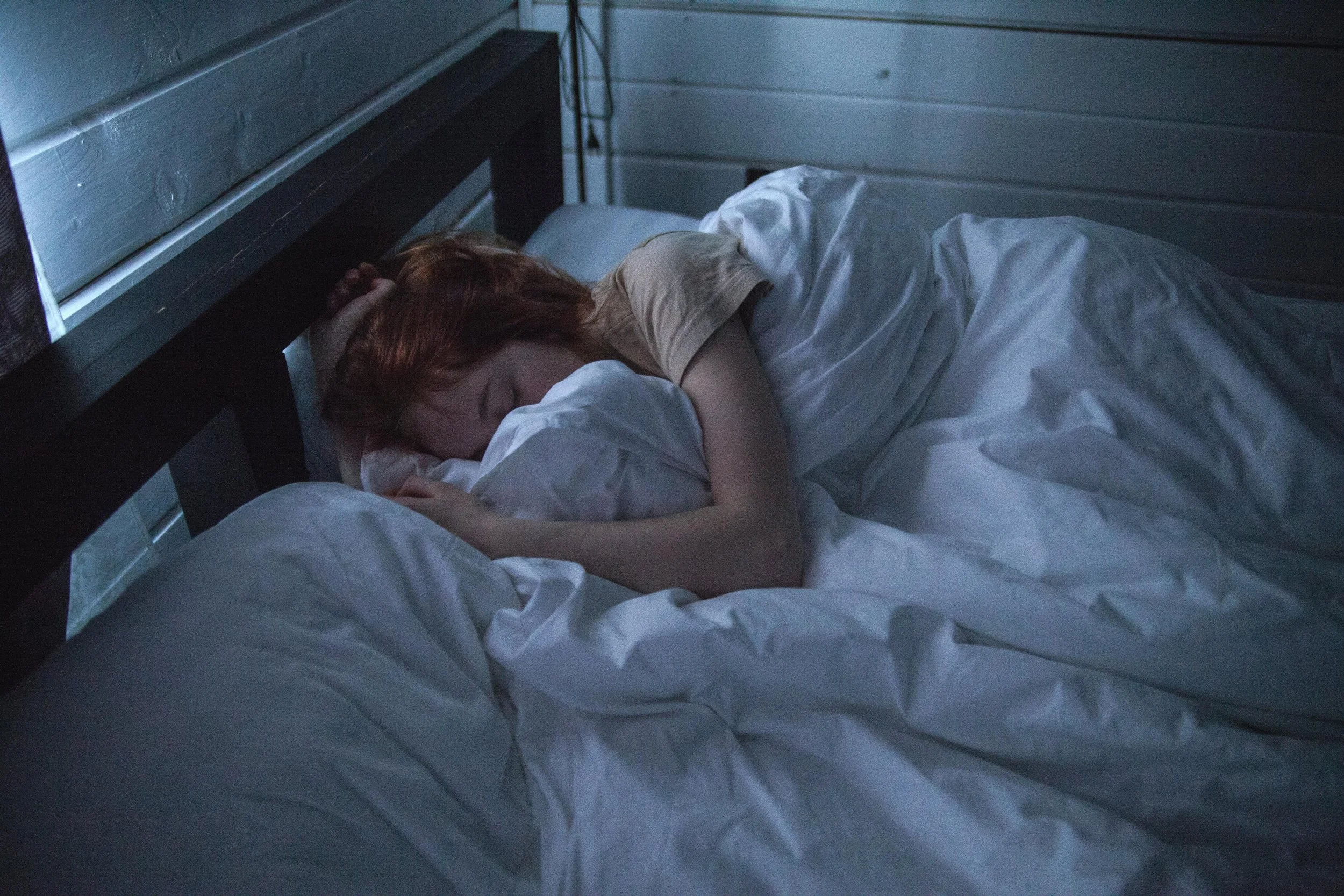
Reserve Your Bedroom for Sleep and Relaxation
Avoid using your bedroom for work or entertainment, and eliminate light sources that can disrupt your sleep cycle. This is the single biggest environmental lever most people underuse.


Easy to overlook
Invest in a High Quality Air Purifier
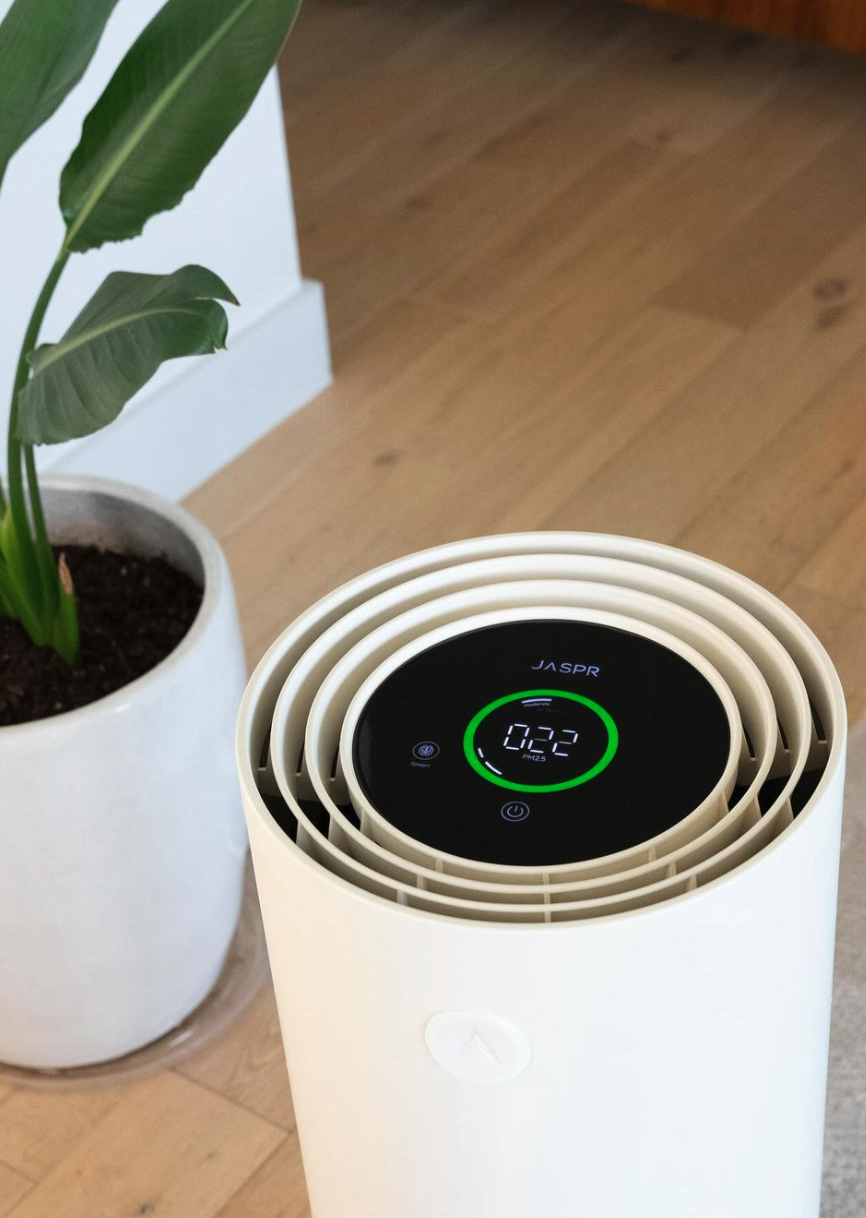
Air Quality Is Crucial for Sleep
You can survive three weeks without food and three days without water, but only about three minutes without air. A good air purifier filters out mold, dust, pet dander, and allergens down to 0.1 microns, which makes a real difference in sleep quality and how restful your nights actually are. JASPR is the one I use and recommend.
JASPR Air Purifier Review
Performance, filtration, noise, and whether it's worth the price, all covered in my full review.
The relaxation mineral
Harnessing the Power of Magnesium
Magnesium plays a real role in stress reduction and muscle relaxation, and magnesium deficiency is a common, often overlooked contributor to sleep disturbances. I use both a capsule form and a topical spray, depending on the night.


Momentous Magnesium L-Threonate Review
The specific magnesium form I reach for most, with a full breakdown of why it's different from standard magnesium.
Timing matters
Aligning Sleep With Circadian Rhythms
Aim to sleep during the hours of 10pm to 2am, sometimes called the body's "money time" for hormonal secretion and recovery. Prioritizing this window, rather than just total hours slept, maximizes the restorative benefits of the sleep you do get.
Cool sleeps deeper
Optimizing Sleep Temperature
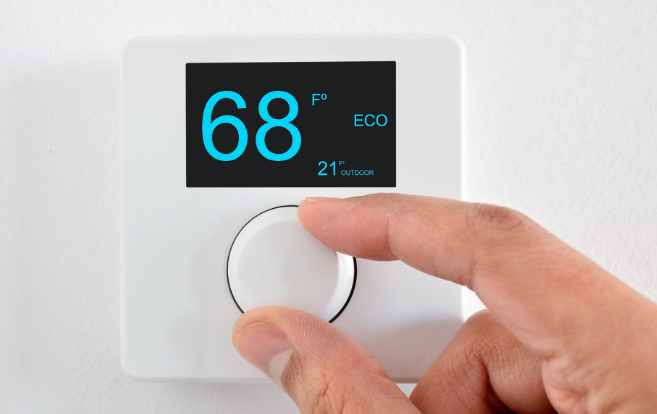
Keep Your Bedroom Around 68-69°F
Thermoregulation is directly tied to sleep architecture, both excessively hot and cold conditions disrupt sleep continuity and reduce time spent in deep and REM sleep. Keeping your bedroom in the high 60s Fahrenheit supports the body's natural cooling process that helps initiate and maintain sleep.
Temperature and sleep architecture: NCBI, PMC12524338.
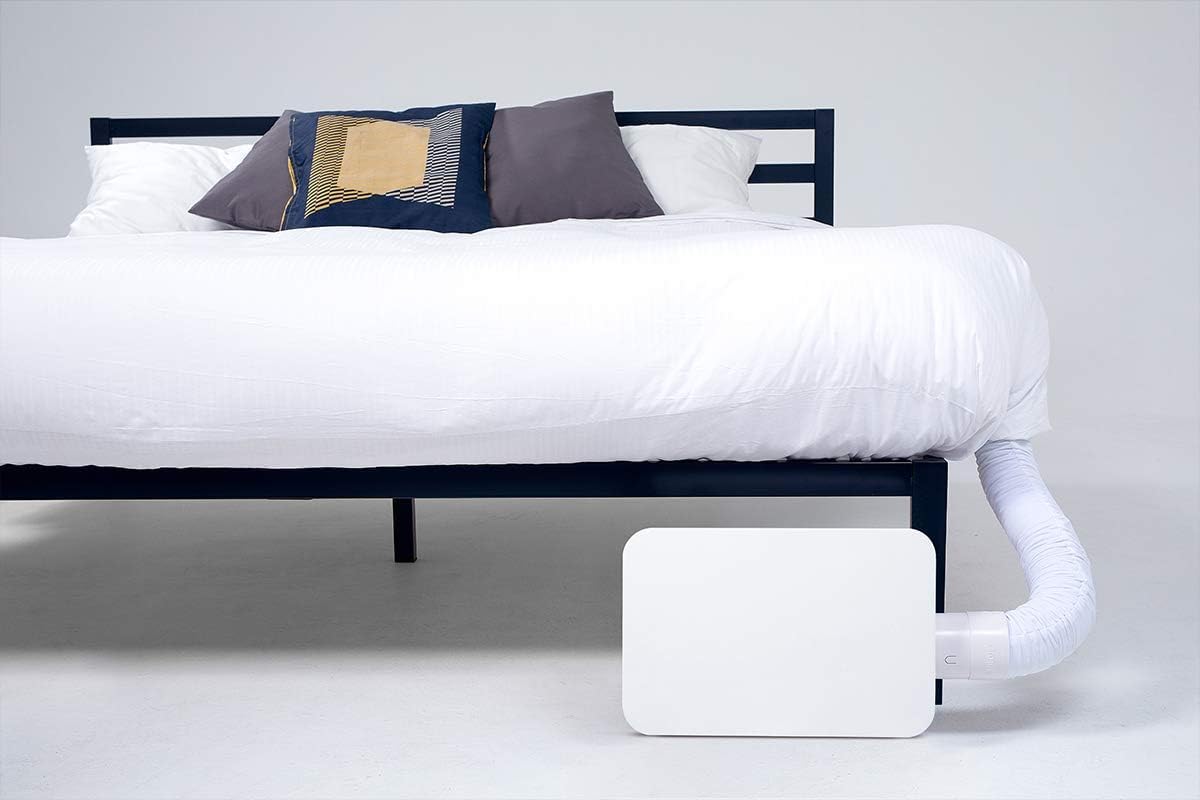
BedJet 3 Climate Control
Active heating and cooling, adjustable throughout the night. This is the newer BedJet 3, an upgrade over the older Chilipad style systems I used to recommend.
Shop →Daily habits
Lifestyle Changes That Actually Help
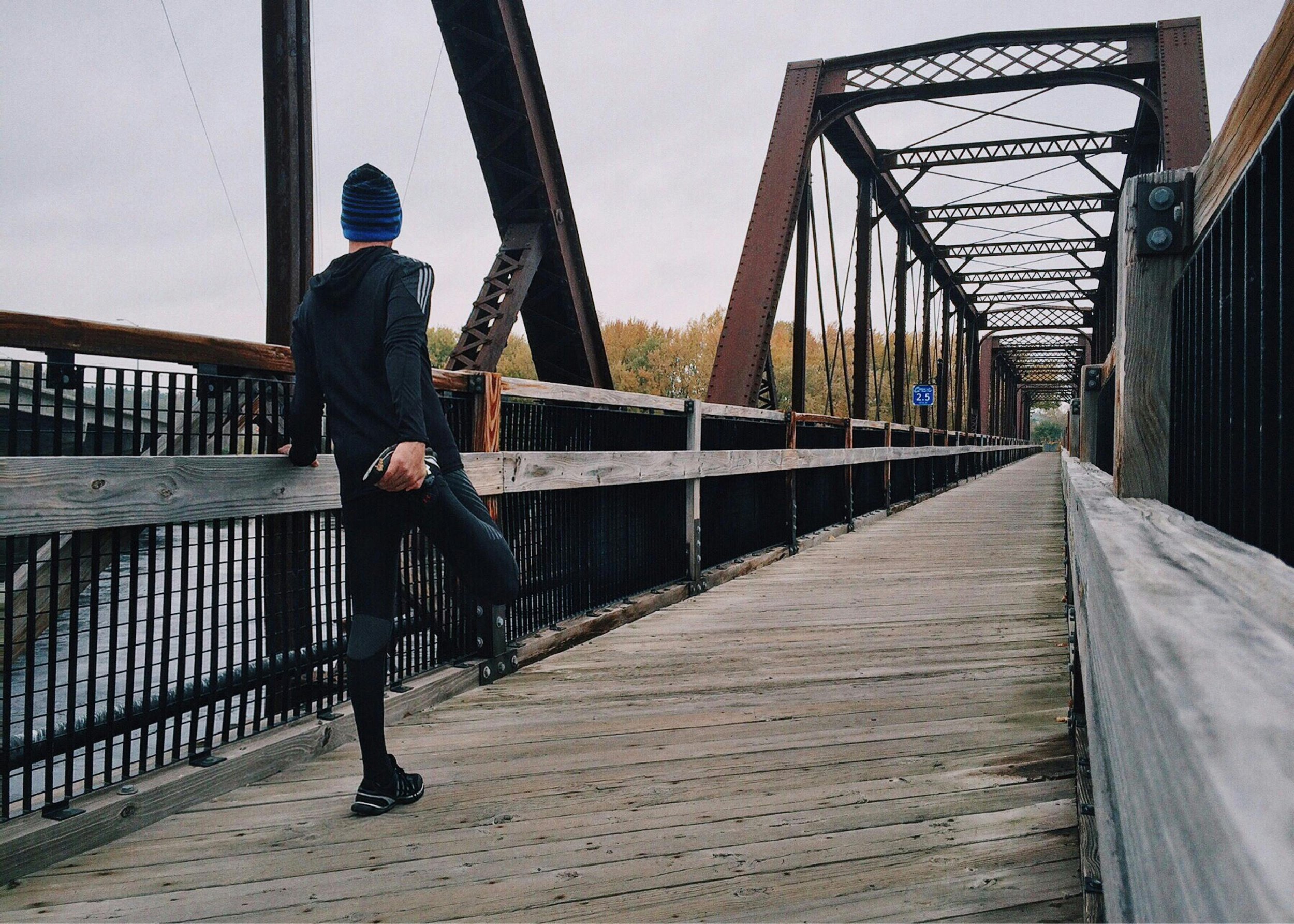
Regular Activity Improves Sleep Architecture
Regular exercise is associated with deeper slow wave sleep, longer total sleep time, and shorter time to fall asleep. Even exercising a couple hours before bed can increase time spent in deep NREM sleep, moderate intensity exercise close to bedtime is less likely to disrupt sleep than vigorous exercise in the hour right before you turn in.
Set a caffeine curfew
Avoid caffeine 12 to 14 hours before bedtime, for most people that means cutting it off after 2pm.
Cut alcohol close to bedtime
Avoid alcohol within 3 hours of sleep, it significantly disrupts sleep quality even when it helps you fall asleep faster.
Stop eating 3 hours before bed
Eating earlier in the day supports daytime alertness and helps anchor your circadian rhythm.
Manage stress before bed
Deep breathing, progressive muscle relaxation, or meditation lower cortisol and blood pressure that would otherwise disrupt sleep.
Exercise and sleep architecture: NCBI, PMC7449340.
Block every last bit of light
Sleep Masks
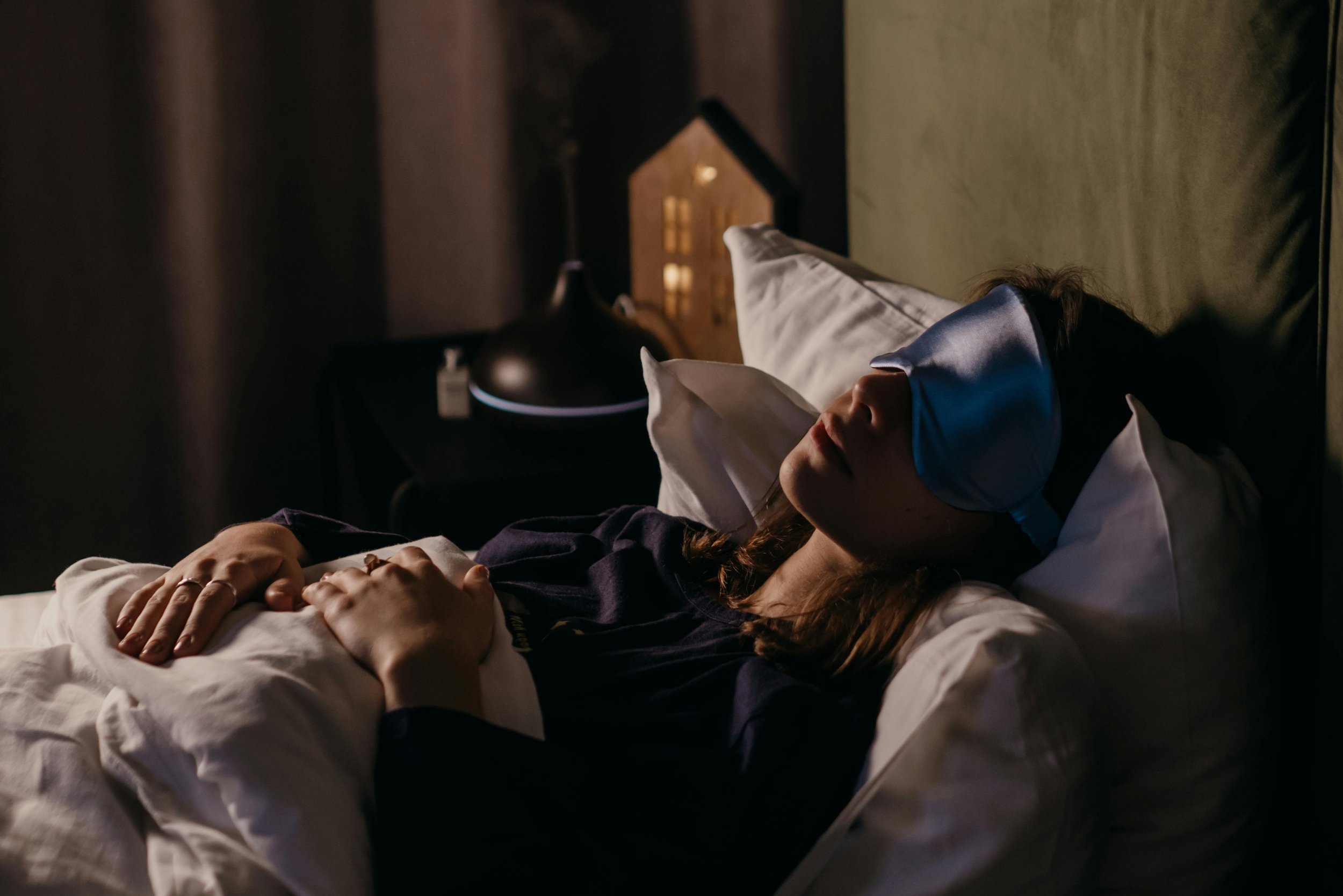
My Two Favorites
A sleep mask is one of the cheapest ways to guarantee total darkness, regardless of what's happening in the room. I have a luxury option and a budget option, both work, the difference is mostly about comfort and materials.

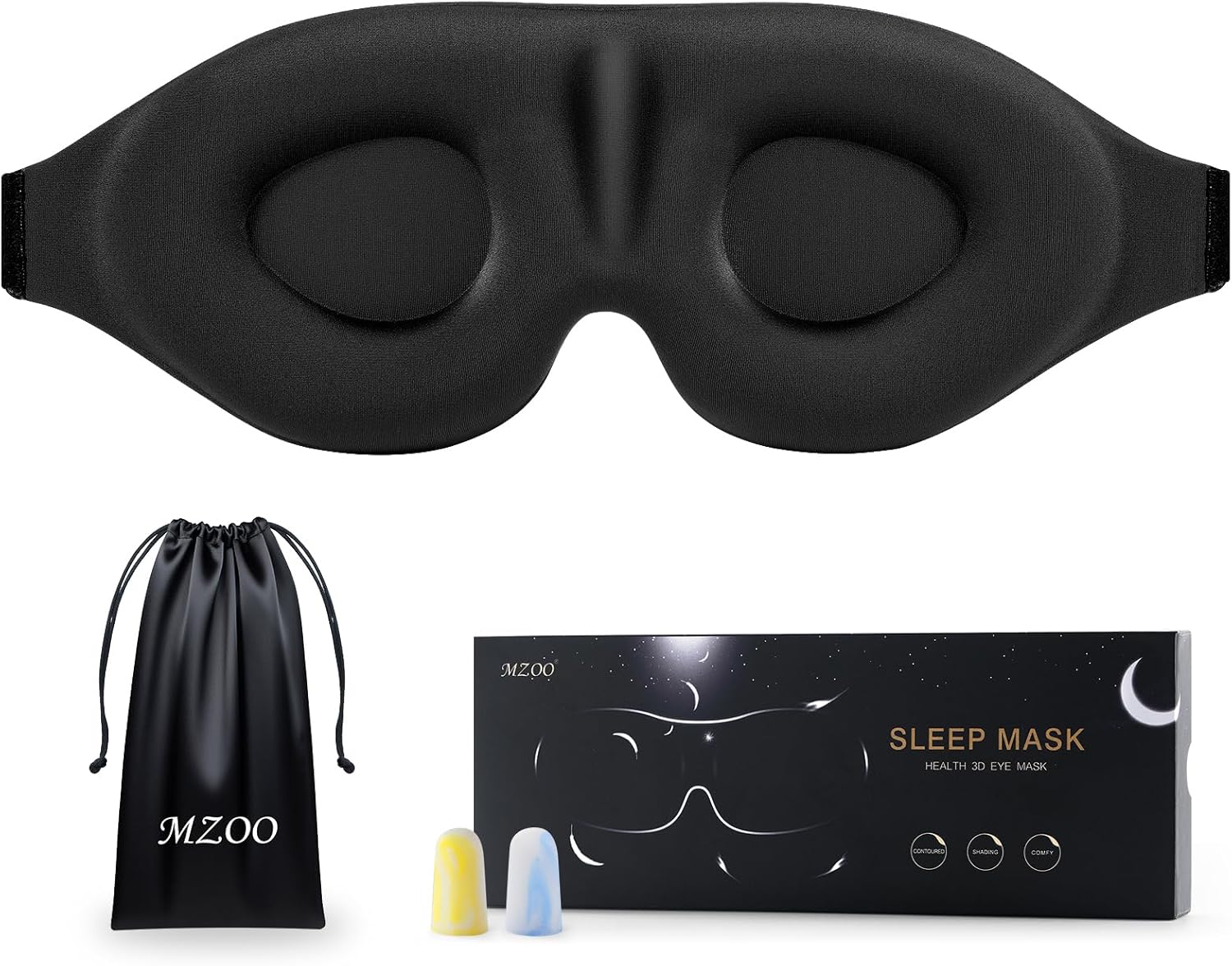
The other half of the equation
Maximizing Daylight Exposure

Get Bright Light Within 30-60 Minutes of Waking
Spending time outdoors during daylight hours, especially within the first hour after waking, supports melatonin production later that night and helps regulate your circadian rhythm. If possible, skip the sunglasses during this window.

Hatch Restore 2 Sunrise Alarm Clock
Wakes you gently by mimicking sunrise, with white noise and rain sounds to fall asleep to.
Shop →Going deeper
Understanding Your Sleep Cycle
Each night you cycle through 4 to 6 roughly 90 minute cycles of NREM and REM sleep. NREM makes up about 75% of total sleep and includes slow wave sleep, the deepest stage, where tissue repair, immune strengthening, and memory consolidation happen. REM makes up the remaining 25%, this is when dreaming occurs and the body is typically paralyzed to prevent acting out dreams. Deeper NREM sleep dominates earlier in the night, while REM becomes more prominent in later cycles, which is part of why cutting a night short costs you disproportionately more REM sleep.
Quick answers
Frequently Asked Questions
What's the single most impactful sleep hack?
Do blue light blocking glasses actually work?
Is grounding actually proven to improve sleep?
How many hours of sleep do I actually need?
Should I exercise before bed?
Final Thoughts
Good sleep really is a skill, and most of what moves the needle is free: consistency, darkness, temperature, and limiting screens before bed. Everything else in this guide, from magnesium to blue light glasses to acupressure mats, is a genuine complement to those fundamentals, not a replacement for them. Start with the free changes, then layer in the tools that address your specific gaps.
Continue reading
You May Also Like
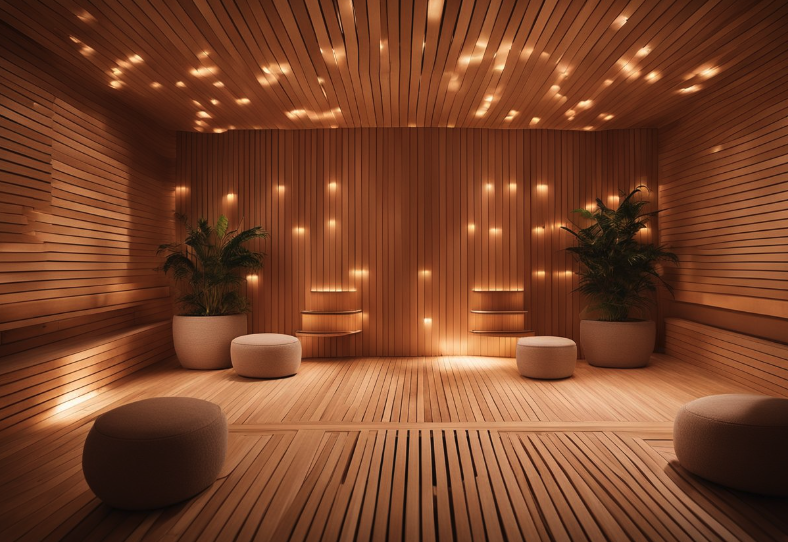
Infrared Sauna Benefits
Heat therapy for relaxation before bed, and what the research actually shows.
JASPR Air Purifier Review
The full breakdown of my favorite air purifier for cleaner, more restful sleep.
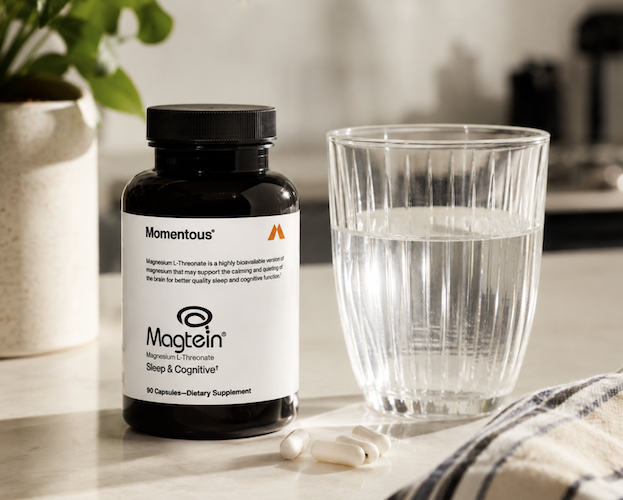
Momentous Magnesium Review
My preferred magnesium form, and why it's different from standard magnesium.
For educational purposes only. Nothing here is medical advice. Consult a healthcare provider before starting any new supplement, especially if pregnant, nursing, or taking blood pressure medication. As an affiliate, samā·says may earn a commission on qualifying purchases made through links in this post.