

Top 5 Air Purifiers of 2026: A Data-Driven Comparison
Comparison · Air Purifiers
Top 5 Air Purifiers of 2026: A Data-Driven Comparison
Five leading air purifiers compared on filtration technology, coverage, noise, build quality, and long-term value, based on measurable specifications rather than marketing claims.
- HEPA or equivalent filtration capability
- Particle capture ratings
- Gas and odor reduction
- Room coverage
- Noise range and energy efficiency
- Overall design, durability & long-term value
Indoor air quality is becoming a higher priority for many households, especially those managing allergies, smoke exposure, pet dander, or mold concerns. The air purifier market offers a wide range of options, from design-forward smart units to heavy-duty medical-grade filtration systems. Rather than relying on marketing claims alone, this comparison focuses on measurable features and real-world use cases. No purifier is perfect for every home, the right choice depends on room size, sensitivity concerns, and budget. This article is part of our Complete JASPR Air Purifier Guide.
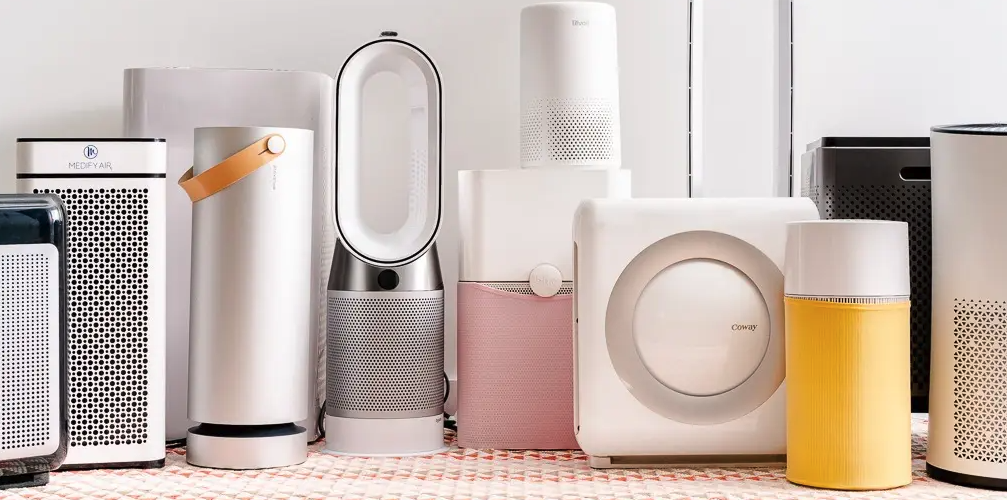
Quick Comparison
A high level look before the full breakdown of each model.
01 · Editor's pick
JASPR Air Purifier
The JASPR Air Purifier combines multi-stage filtration with a steel housing and real-time air monitoring.
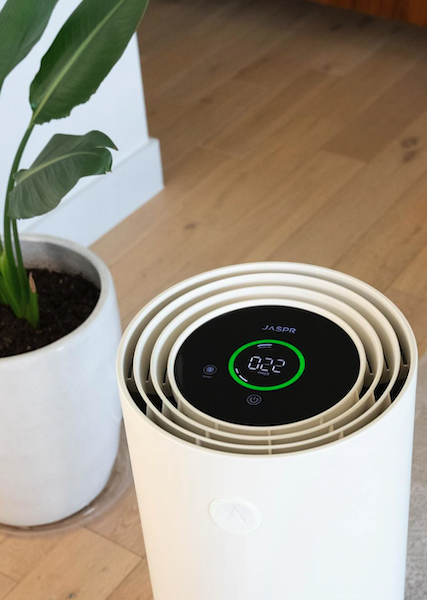
Pre-Filter, True HEPA & Activated Carbon
Key strengths
- High CADR rating
- Durable steel construction
- Real-time air quality display
- Quiet operation
- Lifetime warranty
Considerations: higher upfront cost, and coverage may require multiple units for large homes. JASPR is well suited for individuals prioritizing durability, consistent airflow, and measurable filtration performance. See the independent lab results on JASPR's mold spore reduction and the full JASPR review for in-depth testing.
Shop JASPR, save 25% with code FRESH →02–05
The Rest of the Field
Four more models worth knowing about, each with a different strength.
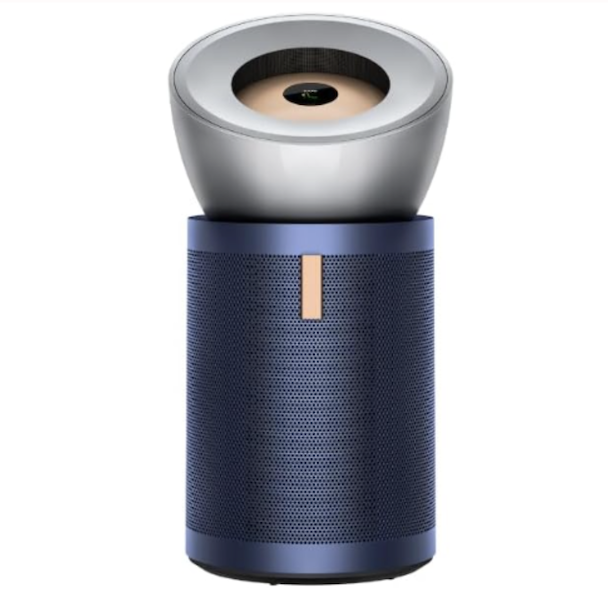
Dyson Purifier Big + Quiet Formaldehyde
Dyson's large-room model emphasizes design integration and smart technology, with HEPA H13 filtration, formaldehyde detection, app connectivity, and oscillation airflow.
Pros
- Gas detection
- Smart integration
- Large-room coverage
Cons
- Premium price
- Larger footprint
- Louder at max speed
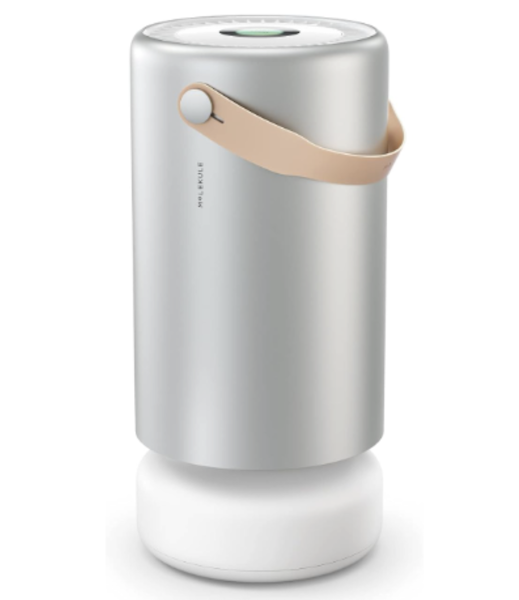
Molekule Air Pro
Molekule uses PECO technology, which the company claims can destroy certain pollutants at a molecular level, paired with HEPA filtration and app tracking.
Pros
- Innovative filtration
- Large coverage
- Quiet operation
Cons
- Higher filter cost
- Claims debated in science community
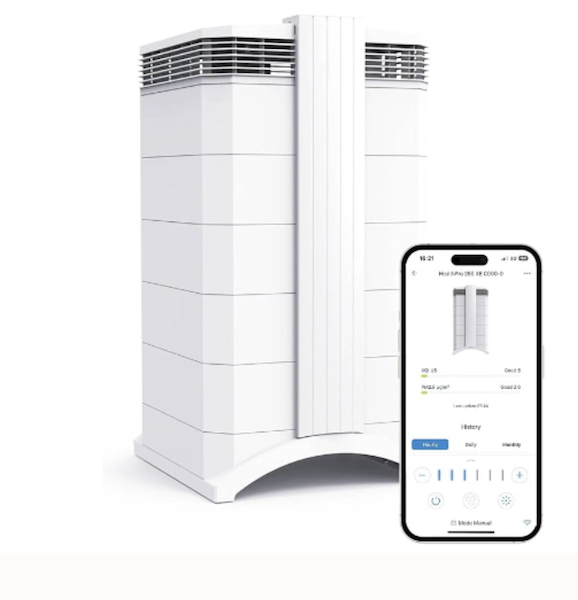
IQAir HealthPro Plus XE
IQAir is known for its HyperHEPA filtration, designed to capture ultrafine particles, with medical-grade filtration claims and large coverage area.
Pros
- Strong particle capture
- Long filter lifespan
- Durable construction
Cons
- Higher price point
- Bulkier design
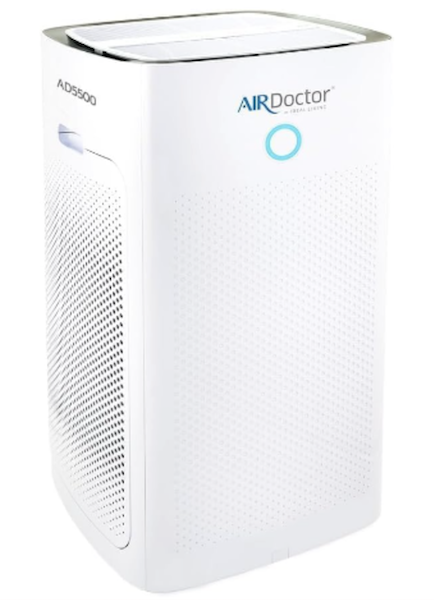
AirDoctor AD5500
AirDoctor offers a balance between filtration capability and accessibility, with medical-grade HEPA filtration, dual filtration system, and good room coverage.
Pros
- Solid filtration
- More affordable
- Easy controls
Cons
- Plastic housing
- Louder at higher speeds
Prioritizing durability and measurable performance?
Save 25% at JASPR
Its steel housing, high CADR rating, and real-time air monitoring make it a practical option for households focused on measurable indoor air quality improvements. Use discount code FRESH at checkout for 25% off.
Which Air Purifier Is Best in 2026?
There is no universal best purifier. The right choice depends on room size, air quality concerns (allergens, smoke, mold, VOCs), budget, design preference, and smart technology integration.
For those prioritizing durable construction, high airflow, and measurable filtration performance, JASPR stands out as a strong contender in this comparison. However, tech-forward users may prefer Dyson's smart features, while those focused on ultrafine particle capture may lean toward IQAir.
Final Thoughts
Air purification is one layer within a broader indoor air quality strategy that may also include ventilation, humidity control, HVAC maintenance, and mold remediation when necessary. Selecting a purifier based on measurable specifications rather than marketing language helps ensure long-term value.
Comparing air purifiers for 2026?
25% Off with Code FRESH
While every home has different needs, JASPR's build quality and filtration system make it a compelling option for those investing in long-term indoor air quality.
Quick answers
Frequently Asked Questions
What is the best air purifier for allergies?
Are expensive air purifiers worth it?
Do air purifiers remove mold?
What CADR rating should I look for?
Is HEPA filtration better than other technologies?
How often should air purifier filters be replaced?
Go deeper
Explore More JASPR & Air Quality Guides
The Complete Guide to JASPR Air Purifiers
Read the guide →JASPR Air Purifier Review: Performance, Filters, Noise & Value
Read the article →JASPR vs Mold: What Third-Party Lab Testing Reveals
Read the article →Is JASPR Worth It for Mold, Allergies & Autoimmune Sensitivity?
Read the article →This article is educational in nature and reflects publicly available product information and specifications. It is not a substitute for professional indoor air quality assessment. Individual results can vary by room size, ventilation, and usage. As an affiliate, samā·says may earn a commission on qualifying purchases made through links in this post, including Amazon links.