

How Injectable GHK-CU Stimulates Collagen Production for Younger-Looking Skin: The Science Behind This Powerful Peptide
Peptides · GHK-CU
How Injectable GHK-CU Stimulates Collagen Production for Younger Looking Skin
The science behind how this copper peptide activates fibroblasts to rebuild collagen, elastin, and the skin's supportive structure.
- Injectable GHK-CU bypasses the skin barrier and interacts directly with fibroblasts, the cells responsible for producing collagen and elastin.
- It activates pathways that increase collagen synthesis, elastin production, and extracellular matrix remodeling.
- Some studies have observed collagen increases of up to 30 percent after consistent treatment protocols.
- GHK-CU also promotes angiogenesis, improving nutrient delivery and oxygen supply for faster skin repair.
This article is part of our Complete Peptides Guide, where we explore the science behind BPC-157, GHK-CU, and GLP-1 research peptides. Injectable GHK-CU has emerged as one of the most promising peptides in modern regenerative skincare. This copper peptide complex works deep within the skin to stimulate collagen production, the essential structural protein responsible for firmness, elasticity, and youthful skin texture. If you're new to copper peptides, it may help to first understand What Is GHK-CU? The Copper Peptide Explained.
Step one
Understanding GHK-CU and Its Role in Skin Health
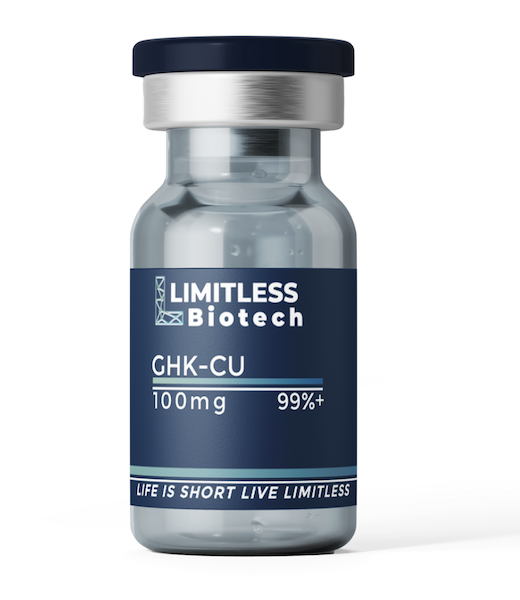
A naturally occurring copper peptide first discovered in human plasma, composed of glycine, histidine, and lysine bound to a copper ion.
Rebuilding the Extracellular Matrix
How it works
- Bypasses the skin barrier when delivered by injection
- Interacts directly with cells responsible for skin structure
- Targets fibroblasts, which produce collagen, elastin, and structural proteins
Why it matters: by activating fibroblasts, GHK-CU encourages the skin to rebuild its extracellular matrix, the supportive framework that keeps skin firm and youthful.
Step two
The Science Behind GHK-CU Collagen Stimulation
Collagen production declines steadily with age. GHK-CU works by activating several biological pathways responsible for tissue regeneration.

What GHK-CU Activates
These pathways include
- Stimulation of fibroblast activity
- Increased collagen synthesis
- Enhanced elastin production
- Improved extracellular matrix remodeling
Research on GHK-CU and skin regeneration mechanisms: NCBI, PMC6073405
Also studied: GHK-CU may stimulate glycosaminoglycan production, molecules responsible for skin hydration and elasticity, leaving skin firmer, smoother, and more resilient.
Benefits of Copper Peptides for Skin Rejuvenation
Beyond collagen stimulation, copper peptides also offer anti inflammatory and antioxidant protection, calming irritated skin while protecting cells from oxidative stress.
Increased collagen
Helps reduce wrinkles and improve skin firmness through fibroblast activation.
Enhanced skin repair
Supports healing and tissue regeneration throughout the skin.
Improved elasticity
Stimulates elastin production for tighter, more resilient skin.
For the full range of benefits, see GHK-CU Benefits for Skin Repair, Hair Growth, and Anti Aging.
Step three
Clinical Evidence Supporting Injectable GHK-CU
Several studies have explored the regenerative potential of GHK-CU in dermatology and wound healing.
What Clinical Trials Have Shown
GHK-CU treatments have been associated with
- Improved skin thickness
- Increased collagen density
- Reduced wrinkle depth
- Improved skin elasticity
Clinical research on GHK-CU and collagen density: PubMed, 29986520
Circulation benefits: GHK-CU promotes angiogenesis, the formation of new blood vessels, improving nutrient delivery and oxygen supply for faster cellular turnover.
Want to experience the science backed benefits?
Save 15% at Limitless Life Nootropics
Limitless Life Nootropics is offering our readers 15% off all peptide purchases with code PEPTIDES at checkout. Their pharmaceutical grade peptides are trusted by biohackers, researchers, and longevity enthusiasts worldwide.
Practical Applications and Usage
GHK-CU can be used in several forms depending on treatment goals. Each approach offers unique advantages.
Injectable GHK-CU
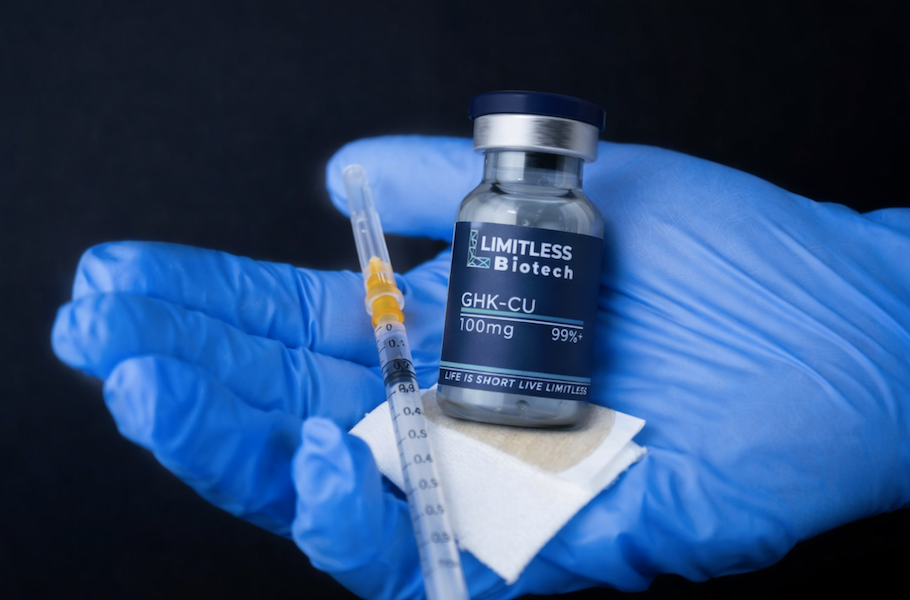
Delivers the peptide directly into tissue layers where collagen synthesis occurs, often ranging between 0.1 mg and 1 mg per treatment session.
- Deeper cellular penetration
- Targeted treatment areas
- Potentially stronger results
Topical Copper Peptides
Popular for daily skin care routines through serums, creams, and peptide complexes, often combined with hyaluronic acid, vitamin C, and argireline.
- Non invasive, long term support
- Easy to build into a routine
If you're deciding between delivery methods, see Injectable vs Topical GHK-CU: Which Form Works Best for a full comparison.
Quick answers
Frequently Asked Questions
What are the side effects of GHK-CU injections?
Can GHK-CU help with hair growth?
How often should GHK-CU injections be used?
How long does it take to see results?
Can GHK-CU be used with other skincare ingredients?
Pro tip: high quality sourcing matters
Claim 15% Off GHK-CU
If you're already exploring peptide therapies for skin health, GHK-CU is one of the most well researched options available. I personally recommend Limitless Life Nootropics, a trusted supplier known for laboratory tested peptide products. Use code PEPTIDES for 15% off your order.
Conclusion
GHK-CU stands out as one of the most promising peptides in regenerative skincare and anti aging science. By stimulating collagen production, enhancing tissue repair, and protecting skin from oxidative stress, this copper peptide offers a powerful approach to maintaining youthful, resilient skin. Scientific research continues to explore its full therapeutic potential, but early findings already highlight impressive benefits for skin firmness, elasticity, and overall skin health. As always, consult with a qualified professional before beginning any new peptide protocol. With proper guidance and high quality sourcing, peptides like GHK-CU may play an important role in the future of regenerative skincare.
Go deeper
Explore the Peptides Guide
Complete Peptides Guide: BPC-157, GHK-CU, GLP-1
Read the guide →What Is GHK-CU? The Copper Peptide Explained
Read the article →GHK-CU Benefits for Skin Repair, Hair Growth, and Anti Aging
Read the article →Injectable vs Topical GHK-CU: Which Form Works Best?
Read the article →What Is BPC-157? Benefits of the Healing Peptide for Recovery
Read the article →BPC-157 Mechanism of Action: How This Healing Peptide Repairs Tissue
Read the article →BPC-157 for Gut Healing and Leaky Gut
Read the article →Oral BPC-157 Benefits: Gut Healing, Recovery & Usage Guide
Read the article →What Is Cagrilintide? Weight Loss Peptide Benefits and Mechanism
Read the article →Cagrilintide + Semaglutide Stack Guide (CagriSema)
Read the article →Semaglutide vs Retatrutide: Which GLP-1 Weight Loss Drug Works Better?
Read the article →Best Ozempic Alternatives: GLP-1 Drugs and Peptides for Weight Loss
Read the article →Keep reading
You May Also Like


For educational purposes only. Nothing here is medical advice, consult a qualified professional before starting any new peptide or supplement. As an affiliate, samā·says may earn a commission on qualifying purchases made through links in this post.