

Best Ozempic Alternatives: Peptides and GLP-1 Options for Weight Loss
Peptides · GLP-1
Best Ozempic Alternatives: GLP-1 Drugs and Peptides for Weight Loss
A guide to the GLP-1 medications and metabolic research peptides being explored alongside and beyond Ozempic.
Different molecules, different locks
- 1Ozempic is one option among a growing field of GLP-1 agonists, metabolic peptides, and biohacking compounds being explored for similar benefits.
- 2Cagrilintide is an investigational peptide that works through the amylin pathway rather than GLP-1 receptors; its most advanced trials pair it with semaglutide.
- 3Other researched peptides include MOTS-C, AOD-9604, Tesamorelin, and 5-Amino-1MQ, each working through different metabolic mechanisms.
- 4Peptides should be viewed as research compounds and metabolic tools, not standalone solutions, lifestyle remains foundational.
This article is part of our Complete Peptides Guide, where we explore the science behind BPC-157, GHK-CU, and GLP-1 research peptides. Ozempic (semaglutide) has become one of the most widely discussed medications for managing type 2 diabetes and weight loss. However, it isn't the only option available. For some individuals, Ozempic may be difficult to access due to cost, availability, or side effects. Other GLP-1 medications, investigational compounds, and lifestyle strategies are also being studied for weight management, insulin sensitivity, and metabolic health.
Understanding Diabetes and the Role of GLP-1 Agonists
GLP-1 agonists mimic a naturally occurring hormone that helps regulate blood sugar and appetite.
How GLP-1 Medications Work
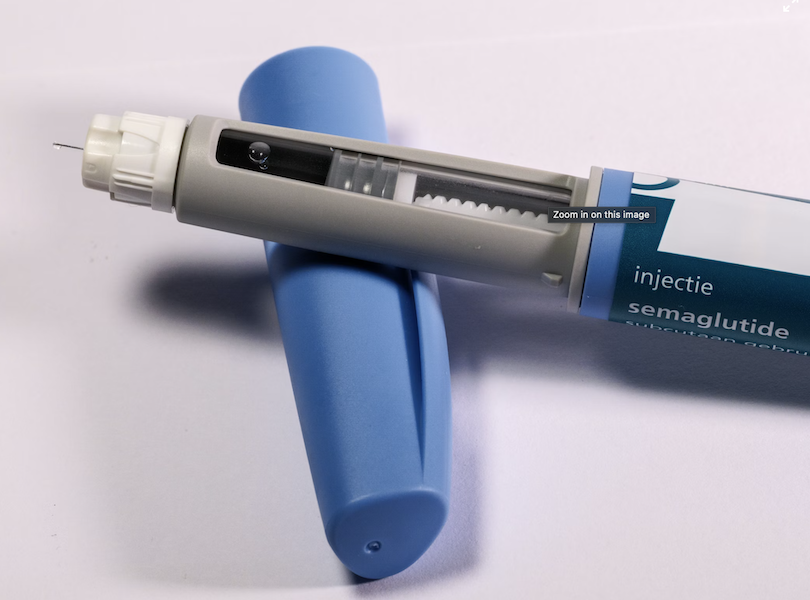
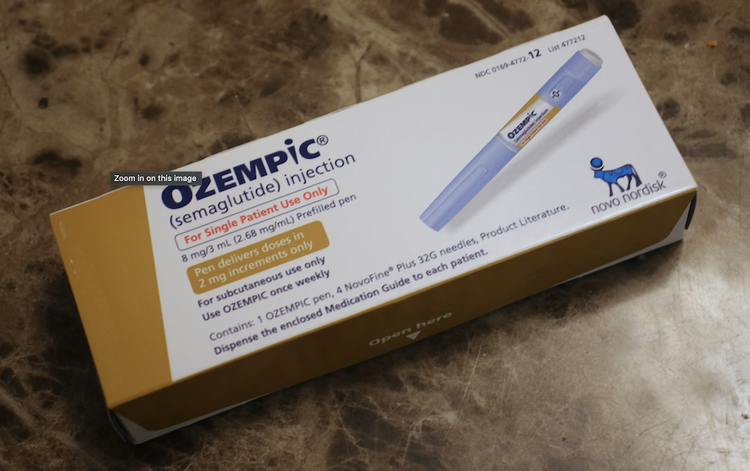
Names you will see
Primary metabolic effects include
- Pancreas
Increasing insulin secretion
- Stomach
Slowing gastric emptying
- Brain
Reducing appetite
- Result
Improving blood sugar control
Sources for this section: GLP-1 agonist review, NCBI, PMC11579408; GLP-1 receptor agonist overview, NCBI Bookshelf, NBK551568
See Semaglutide vs Retatrutide: Which GLP-1 Weight Loss Drug Works Better? for how the newest compounds compare.
Potential Risks and Side Effects of GLP-1 Medications
While GLP-1 drugs can be highly effective, they are not without potential risks.
Common side effects
Nausea, vomiting, digestive discomfort, constipation, and reduced appetite.
Serious complications
In some cases, gallbladder issues, pancreatitis, gastroparesis, and thyroid concerns have been reported.
Why people explore alternatives
Cost, availability, and side effects lead many to research alternative metabolic support strategies.
Cagrilintide: An Investigational Peptide on the Amylin Pathway
Currently being researched for its role in appetite regulation and weight loss.
Working Through a Different Pathway
What it does
- 1
Mimics amylin, a hormone released alongside insulin
- 2
Helps regulate hunger and slow gastric emptying
- +
Paired with semaglutide (as CagriSema), it has reached phase 3 trials and was submitted to the FDA for review in December 2025
Phase 3 trial of cagrilintide with semaglutide (REDEFINE 1): NEJM 2025, PubMed 40544433
See What Is Cagrilintide? Weight Loss Peptide Benefits and Mechanism for the full breakdown.
More Peptides Being Explored for Metabolic Health
These compounds work through different mechanisms than GLP-1 drugs, but many people explore them as part of a broader metabolic optimization strategy.
Growth hormone and IGF-1 axis
Compounds derived from, or researched for their effect on, growth hormone and IGF-1 signaling.
IGF-1 LR3
A modified form of Insulin-like Growth Factor-1, studied for muscle growth, body composition, and nutrient partitioning.
Ipamorelin
A growth hormone secretagogue researched for sleep, exercise recovery, fat metabolism, and hormonal balance.
CJC-1295
Influences growth hormone signaling, researched for fat loss, lean muscle retention, and recovery.
Tesamorelin
Researched for reducing visceral abdominal fat, which is strongly associated with insulin resistance.
Regulatory status: FDA approved (sold as Egrifta) only to reduce excess abdominal fat in adults with HIV and lipodystrophy. Its label states it is not indicated for weight loss management. FDA label, DailyMed
AOD-9604
A modified growth hormone fragment targeting fat metabolism without promoting muscle growth, may stimulate lipolysis.
Cellular metabolism
Compounds that act on cellular metabolism, through the NNMT enzyme or the AMPK pathway.
5-Amino-1MQ
Works by inhibiting the NNMT enzyme, studied for metabolic efficiency, energy expenditure, and fat accumulation.
MOTS-C
A mitochondrial derived peptide that activates the AMPK pathway, supporting glucose uptake and fat oxidation.
Supporting Metabolic Health Through Lifestyle
While medications and peptides can play a role, lifestyle factors remain foundational for metabolic health.

Building the Foundation
Core habits include
Strength training and cardiovascular exercise
Protein rich diets
Sleep optimization
Stress management
Also worth exploring: approaches like intermittent fasting and calorie restriction may support improved metabolic flexibility and insulin sensitivity.
Frequently Asked Questions
1What are the best peptide alternatives to Ozempic?
2Is there a peptide that works similarly to Ozempic?
3Are there natural alternatives to Ozempic?
4What is the newest GLP-1 drug for weight loss?
5Can peptides help with weight loss?
The bottom line
Conclusion
Ozempic has transformed the conversation around weight loss and metabolic health, but it is far from the only approach available. A growing number of GLP-1 medications, metabolic peptides, and lifestyle strategies are being explored to support blood sugar control, appetite regulation, and fat metabolism. While these compounds show promising research potential, it's important to remember that individual responses vary and medical guidance is always recommended before starting any new treatment strategy. Understanding the mechanisms behind these therapies allows us to make more informed decisions about long term metabolic health and weight management.
Go deeper
Explore the Peptides Guide
System · Hub
Complete Peptides Guide: BPC-157, GHK-CU, GLP-1Cagrilintide · Semaglutide
What Is Cagrilintide? Weight Loss Peptide Benefits and Mechanism Cagrilintide + Semaglutide Stack Guide (CagriSema) Semaglutide vs Retatrutide: Which GLP-1 Weight Loss Drug Works Better?Keep reading
You May Also Like


From GLP-1 medications to emerging research peptides, the field of metabolic health keeps expanding. Lifestyle remains the foundation either way.
For educational purposes only. Nothing here is medical advice, consult a qualified professional before starting any new peptide or medication.