

Semaglutide vs Retatrutide: Which GLP-1 Weight Loss Drug Is More Effective?
Peptides · GLP-1
Semaglutide vs Retatrutide: Which GLP-1 Weight Loss Drug Works Better?
Comparing a single receptor GLP-1 agonist with a newer triple agonist compound, and what the clinical trial data actually shows.
Head to head
| Compared | Semaglutide | Retatrutide |
|---|---|---|
| Receptors | GLP-1 | GLP-1, GIP and glucagon |
| Status | FDA approved | In clinical trials |
| Weight loss in trials | About 15 to 17% | Up to 24% in early trials |
- SemaglutideSemaglutide is a GLP-1 receptor agonist already widely prescribed under brand names like Ozempic and Wegovy.
- RetatrutideRetatrutide is a triple agonist, activating GLP-1, GIP, and glucagon receptors simultaneously, and is still in clinical trials.
- Trial resultsSemaglutide trials show weight loss around 15 to 17 percent of body weight; early retatrutide trials have shown reductions of up to 24 percent.
- EvidenceSemaglutide has far more clinical data and FDA approval; retatrutide has since reported positive phase 3 results but remains investigational and is not FDA approved; Lilly plans to file with the FDA in early 2027.
This article is part of our Complete Peptides Guide, where we explore the science behind BPC-157, GHK-CU, and GLP-1 research peptides. Semaglutide and retatrutide are two of the most talked about medications in the world of weight loss and metabolic health. Both belong to a class of drugs known as GLP-1 receptor agonists, which help regulate appetite, blood sugar, and fat metabolism. While both medications influence the GLP-1 pathway, retatrutide works through a broader mechanism, activating three metabolic hormone receptors instead of just one. If you're also exploring additional options beyond traditional GLP-1 drugs, you may want to read Best Ozempic Alternatives: GLP-1 Drugs and Peptides for Weight Loss.
How GLP-1 Medications Work
GLP-1 receptor agonists mimic a naturally occurring hormone that plays a key role in regulating blood sugar and appetite.
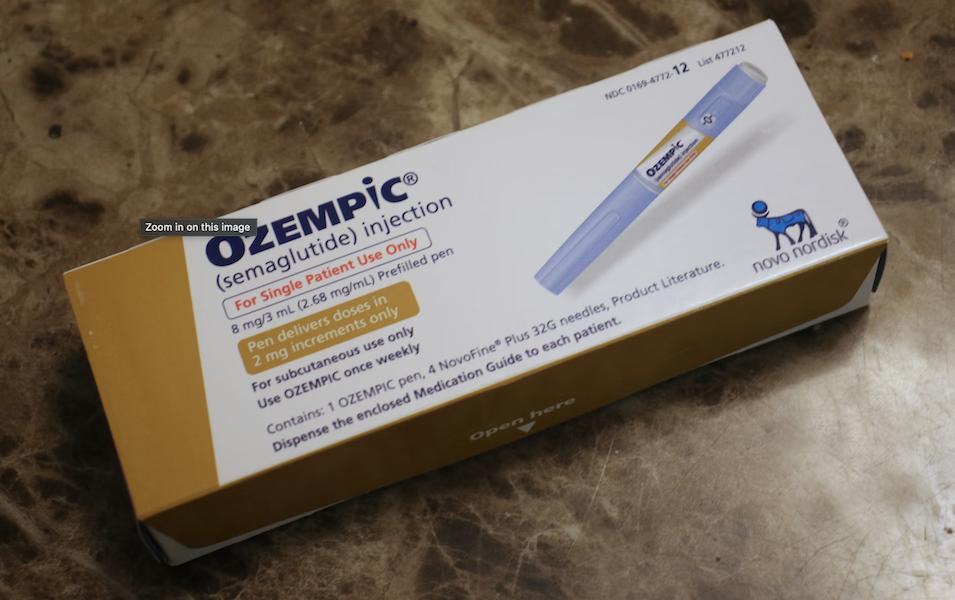
Regulating Appetite and Blood Sugar
These medications work by
- Stimulating insulin release
- Reducing glucagon production
- Slowing gastric emptying
- Increasing feelings of fullness
Key difference: both semaglutide and retatrutide influence this pathway, but retatrutide goes further by activating additional metabolic receptors.
Mechanism of Action
Semaglutide targets a single pathway. Retatrutide targets three metabolic hormone pathways simultaneously.
| Receptor | Semaglutide | Retatrutide |
|---|---|---|
| GLP-1 | Targets | Targets |
| GIP | Not targeted | Targets |
| Glucagon | Not targeted | Targets |
Semaglutide
A GLP-1 receptor agonist that specifically targets the GLP-1 pathway responsible for appetite regulation and insulin signaling.
- Appetite suppression
- Improved insulin sensitivity
- Slower stomach emptying
- Reduced caloric intake
Retatrutide
A triple agonist peptide targeting GLP-1 receptors, GIP receptors, and glucagon receptors at the same time.
- Improved fat oxidation
- Improved insulin sensitivity
- Increased energy expenditure
Weight loss reported in trials
Note: Figures from separate trials, not one head to head study.
Semaglutide: Clinical Weight Loss Results
One of the most widely prescribed GLP-1 medications, already FDA approved for obesity treatment.
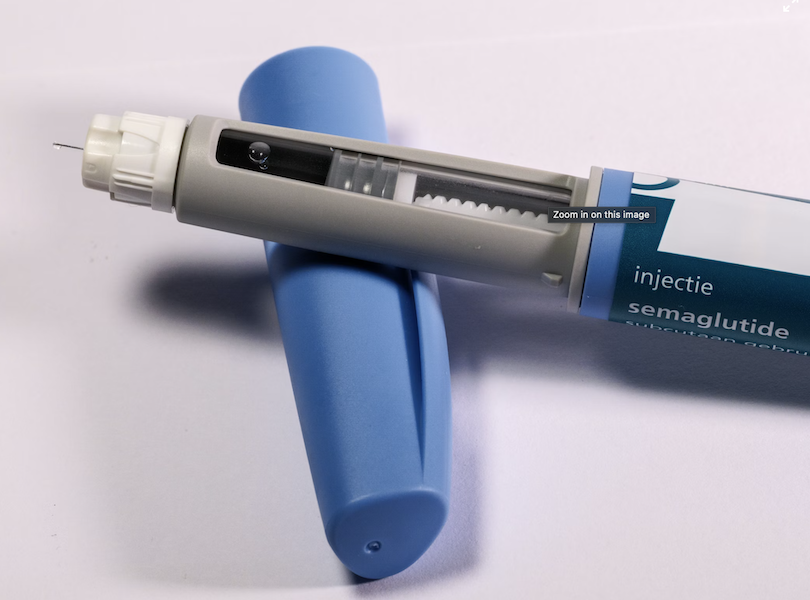
Average 15 to 17 Percent Body Weight Loss
Semaglutide benefits
- Clinically proven weight loss
- FDA approved for obesity treatment
- Cardiovascular risk reduction
- Improved blood sugar control
Weight loss outcomes with semaglutide in a clinic cohort study: NCBI, PMC9486455
Retatrutide: Clinical Weight Loss Results
A newer triple agonist compound showing dramatic early results, still undergoing clinical trials.
Up to 24 Percent Body Weight Loss in Trials
Retatrutide potential benefits
- Triple hormone metabolic activation
- Higher potential weight loss in trials
- Improved fat metabolism
- Possible increased energy expenditure
Clinical trial data on retatrutide and triple agonist therapy: NCBI, PMC12190491
Note: retatrutide is still undergoing clinical trials, while semaglutide is already FDA approved and widely available.
Side Effects and Safety Considerations
Like most medications affecting metabolism, both compounds can produce side effects.
Common side effects
Nausea, vomiting, diarrhea, constipation, and decreased appetite, most noticeable during the first few weeks.
Rare but serious risks
May include pancreatitis, gallbladder complications, and thyroid concerns.
What to expect
Symptoms often improve over time. Treatment should always be discussed with a healthcare professional.
How These Medications Fit Into a Broader Metabolic Strategy
While GLP-1 drugs can be extremely effective, they are typically most successful when combined with lifestyle changes such as resistance training, cardiovascular exercise, high protein diets, improved sleep quality, and stress reduction. Some individuals also explore metabolic peptides that influence appetite regulation and fat metabolism. One compound gaining attention in this area is cagrilintide, see What Is Cagrilintide? Weight Loss Peptide Benefits and Mechanism and Cagrilintide + Semaglutide Stack Guide (CagriSema).
Frequently Asked Questions
01Is Retatrutide stronger than Semaglutide?
02Is Retatrutide approved by the FDA?
03How much weight can you lose with Semaglutide?
04How much weight can you lose with Retatrutide?
05What is the difference between GLP-1 and triple agonist drugs?
06Are peptides being studied as weight loss alternatives?
The bottom line
Conclusion
Semaglutide and retatrutide represent two powerful approaches to improving metabolic health and supporting weight loss. Semaglutide is currently one of the most widely used GLP-1 medications and has strong clinical evidence supporting its effectiveness. Retatrutide, while still undergoing clinical trials, may represent the next generation of metabolic therapies due to its triple agonist mechanism. As research continues, these compounds may offer new opportunities for individuals seeking more effective tools for managing obesity, metabolic dysfunction, and blood sugar regulation. Understanding how these medications work, and how they compare, can help you make more informed decisions when exploring weight loss treatments.
Go deeper
Explore the Peptides Guide
System · Hub
Complete Peptides Guide: BPC-157, GHK-CU, GLP-1Cagrilintide · Semaglutide
What Is Cagrilintide? Weight Loss Peptide Benefits and Mechanism Cagrilintide + Semaglutide Stack Guide (CagriSema) Best Ozempic Alternatives: GLP-1 Drugs and Peptides for Weight LossKeep reading
You May Also Like



One receptor or three, both semaglutide and retatrutide represent real progress in metabolic peptide research. The right choice depends on your goals and what's actually available.
For educational purposes only. Nothing here is medical advice, consult a qualified professional before starting any new peptide or medication.