

What Is GHK-CU? The Copper Peptide Explained: Benefits, Skin Regeneration, and Anti-Aging Science
Peptides · Copper Peptide
What Is GHK-CU? The Copper Peptide Explained
A closer look at the naturally occurring copper peptide behind some of today's most talked about skin and regeneration research.
- GHK-CU is a naturally occurring copper peptide made of glycine, histidine, and lysine bound to a copper ion, first discovered in human plasma.
- It functions as a cellular signaling peptide, activating fibroblasts that produce collagen, elastin, and other structural proteins.
- GHK-CU also promotes angiogenesis, the formation of new blood vessels that improve circulation and accelerate healing.
- Researchers are exploring it for skin rejuvenation, wound healing, hair growth, and broader regenerative applications.
This article is part of our Complete Peptides Guide, where we explore the science behind BPC-157, GHK-CU, and GLP-1 research peptides. GHK-CU has become one of the most discussed peptides in regenerative medicine and advanced skincare. Known as a powerful copper peptide, it plays an important role in tissue repair, collagen production, and cellular regeneration. Researchers have spent decades studying this naturally occurring compound for its ability to improve skin health, accelerate wound healing, and support anti aging processes at the cellular level.
Step one
The Science Behind GHK-CU
First discovered in human plasma in the 1970s, later identified in saliva and urine.
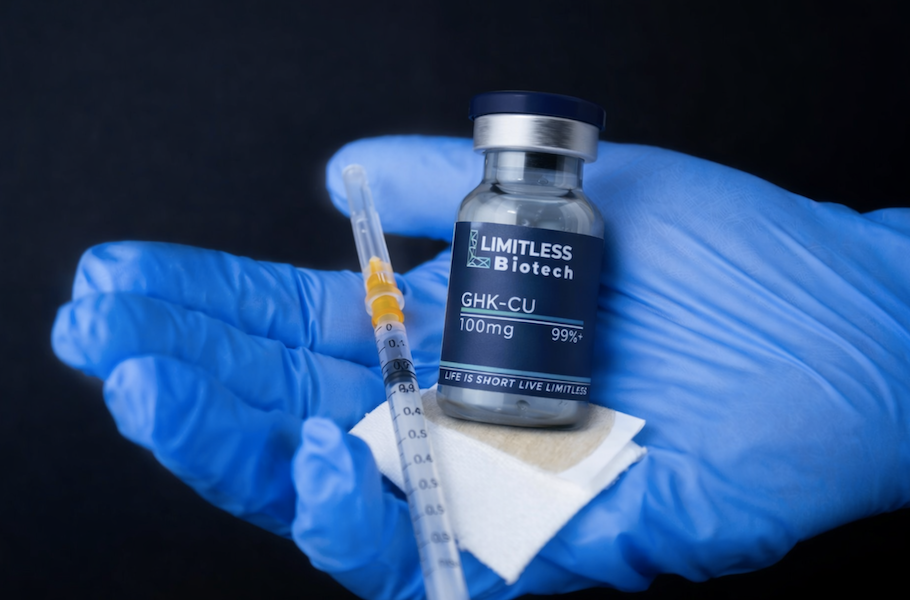
A Naturally Occurring Copper Peptide
Research suggests GHK-CU can
- Stimulate collagen and elastin production
- Promote wound healing and tissue repair
- Reduce inflammation and oxidative stress
- Support hair follicle regeneration
- Improve skin firmness and elasticity
The copper ion allows GHK-CU to activate multiple biological processes related to healing: NCBI, PMC10643103
Step two
How GHK-CU Works in the Body
A cellular signaling peptide that binds with copper ions and activates biological pathways for tissue regeneration.
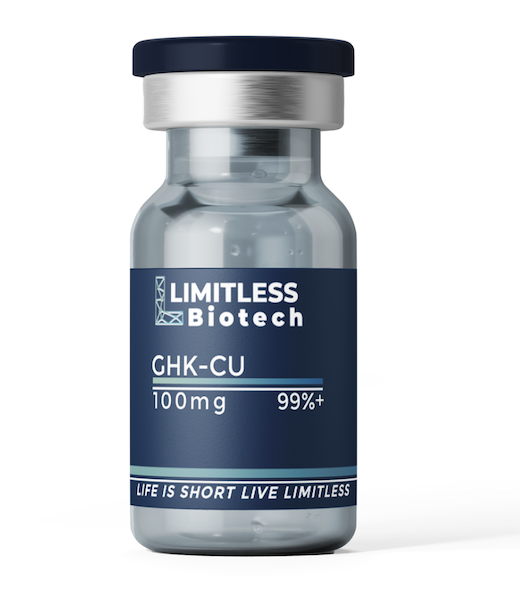
Signaling Cells to Rebuild Skin
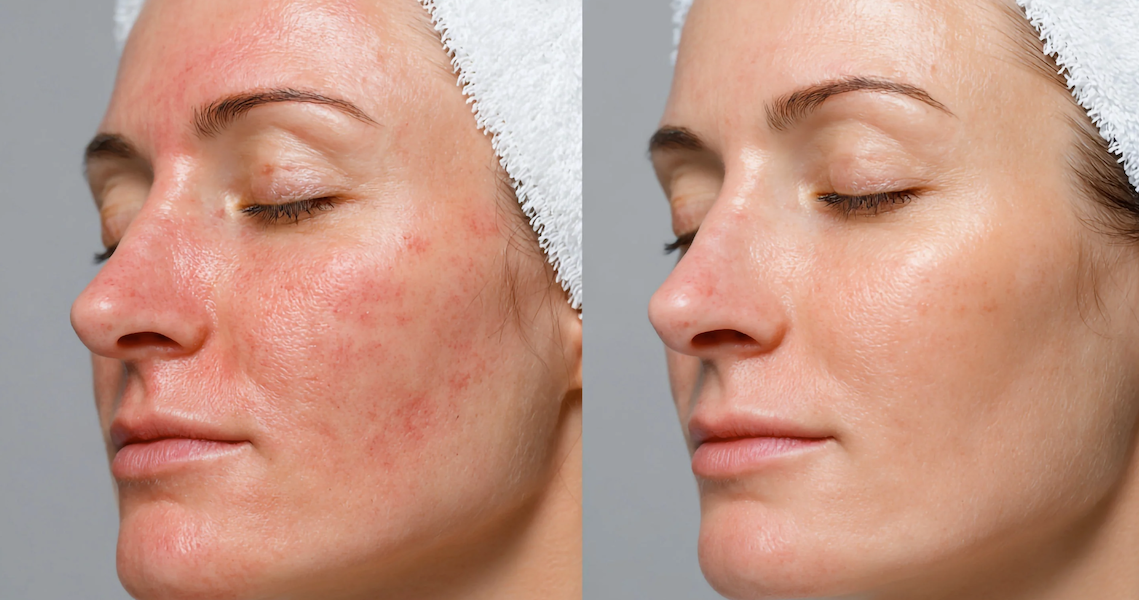
As collagen production increases, skin becomes
- Thicker and stronger
- More elastic
- Better able to repair damage
GHK-CU also promotes angiogenesis, improving circulation and nutrient delivery to damaged tissue: NCBI, PMC4508379
Go deeper: see How Injectable GHK-CU Stimulates Collagen Production for more on this mechanism.
Interested in experiencing the benefits yourself?
Save 15% at Limitless Life Nootropics
Limitless Life Nootropics offers high quality peptide products trusted by researchers, athletes, and biohackers. Use code PEPTIDES to receive 15% off your entire order.
Key Benefits of GHK-CU
Collagen & rejuvenation
Activates fibroblasts to produce new collagen fibers, supporting wrinkle reduction, elasticity, and firmness.
Wound healing
Demonstrated wound healing abilities in research, including surgical wounds, burns, and damaged connective tissue.
Hair & follicle health
May increase blood flow to hair follicles and activate genes responsible for hair regeneration.
For the full breakdown, see GHK-CU Benefits for Skin Repair, Hair Growth, and Anti Aging.
Injectable vs Topical GHK-CU
GHK-CU can be administered in several forms depending on your treatment goals.
Injectable GHK-CU
Delivers the peptide directly into tissue or subcutaneously, bypassing the skin barrier to reach target tissues more efficiently.
Topical Copper Peptides
Commonly found in skincare serums and anti aging creams, often combined with hyaluronic acid or other hydrating ingredients.
For the full comparison, see Injectable vs Topical GHK-CU: Which Form Works Best.
Additional Benefits Being Studied
Beyond skincare, researchers are investigating GHK-CU for broader regenerative applications.
Nerve & tissue support
Early research is exploring nerve regeneration and improved tissue repair.
Antioxidant protection
May help reduce inflammation and protect cells from oxidative stress.
Skin barrier function
Studied for its potential to improve and support overall skin barrier health.
Quick answers
Frequently Asked Questions
Is GHK-CU safe?
How long does it take to see results from GHK-CU?
Can GHK-CU improve wrinkles?
Does GHK-CU help with hair growth?
Looking for a trusted peptide supplier?
Save 15% on GHK-CU Peptides
If you're looking for high quality peptides backed by strong customer reviews, Limitless Life Nootropics is one of the most trusted suppliers available. Use code PEPTIDES to save 15%.
Conclusion
GHK-CU stands out as one of the most promising peptides in modern regenerative medicine and advanced skincare. Its ability to stimulate collagen production, support tissue repair, and promote skin rejuvenation makes it a powerful tool for improving skin health and combating visible signs of aging. As research into copper peptides continues to grow, GHK-CU may play an increasingly important role in longevity, dermatology, and regenerative therapies. Whether used in topical skincare or injectable peptide protocols, this remarkable compound represents a new frontier in science backed skin rejuvenation.
Go deeper
Explore the Peptides Guide
Complete Peptides Guide: BPC-157, GHK-CU, GLP-1
Read the guide →GHK-CU Benefits for Skin Repair, Hair Growth, and Anti Aging
Read the article →Injectable vs Topical GHK-CU: Which Form Works Best?
Read the article →How Injectable GHK-CU Stimulates Collagen Production
Read the article →What Is BPC-157? Benefits of the Healing Peptide for Recovery
Read the article →BPC-157 Mechanism of Action: How This Healing Peptide Repairs Tissue
Read the article →BPC-157 for Gut Healing and Leaky Gut
Read the article →Oral BPC-157 Benefits: Gut Healing, Recovery & Usage Guide
Read the article →What Is Cagrilintide? Weight Loss Peptide Benefits and Mechanism
Read the article →Cagrilintide + Semaglutide Stack Guide (CagriSema)
Read the article →Semaglutide vs Retatrutide: Which GLP-1 Weight Loss Drug Works Better?
Read the article →Best Ozempic Alternatives: GLP-1 Drugs and Peptides for Weight Loss
Read the article →Keep reading
You May Also Like


For educational purposes only. Nothing here is medical advice, consult a qualified professional before starting any new peptide or supplement. As an affiliate, samā·says may earn a commission on qualifying purchases made through links in this post.